As we approach 2026, the appeal of solar energy continues to grow. Many homeowners are asking, "How much money can I save with solar energy?" According to John Smith, a leading expert in renewable energy, "The savings from solar can be life-changing for many families." This highlights the financial benefits of investing in solar technology.
Solar energy provides a unique opportunity for long-term savings. With advances in technology and decreasing installation costs, more households can afford solar. The upfront investment can be daunting, but the long-term return is often worth it. Experts indicate that average savings can range from hundreds to thousands of dollars annually. However, the actual savings depend on several factors, including location and energy consumption habits.
Investing in solar power is not just about saving money. It's also about contributing to a sustainable future. Yet, many people still hesitate. The transition can feel overwhelming. Understanding the financial impact is crucial. Before making a decision, consider all variables involved.
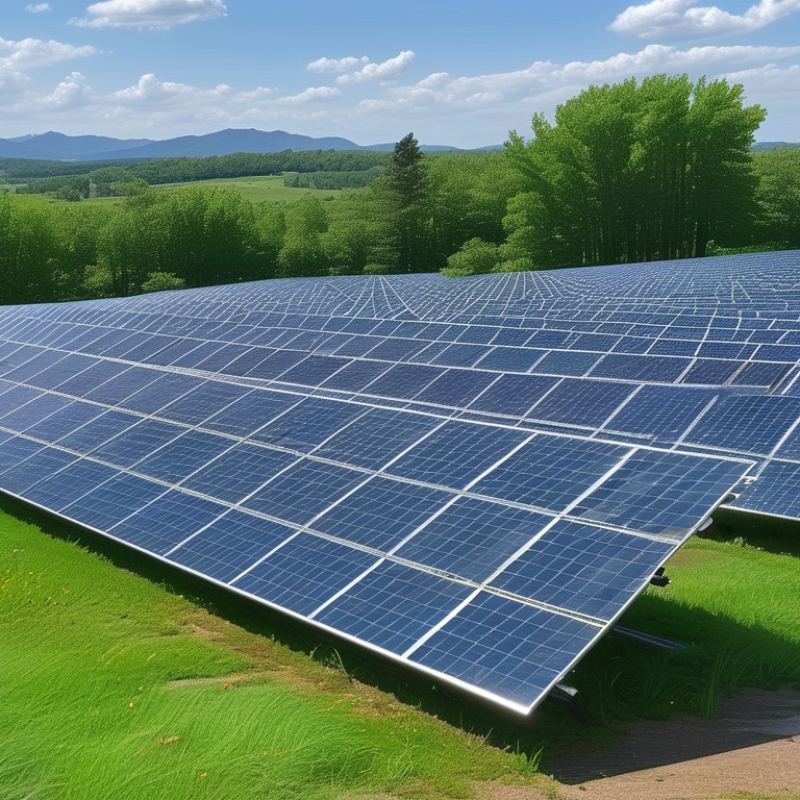
What Is Solar Energy and How Does It Save Money?
Solar energy is an increasingly popular choice for homeowners looking to reduce their energy bills. By harnessing sunlight, solar panels convert light into electricity. This process helps save money over time by lowering utility costs. Homeowners often see significant savings after installation, as they rely less on traditional power sources.
Investing in solar energy can seem daunting. The initial setup costs are one concern. However, many find that government incentives and rebates can reduce these expenses. Other than financial benefits, solar energy also contributes to a more sustainable lifestyle. It's an eco-friendly option that can appeal to environmentally conscious homeowners.
Tips:
1. Research local incentives thoroughly. Many areas offer tax breaks or grants.
2. Consider energy needs before installation. Oversizing panels can lead to unnecessary costs.
3. Regular maintenance is essential. Cleaning and inspections can optimize energy production.
By weighing these factors, homeowners can make informed decisions, leading to long-term savings with solar energy.
2026 Best Solar Energy Savings - How Much Can You Save?
| Location |
Average Annual Savings ($) |
Initial Investment ($) |
Payback Period (Years) |
System Size (kW) |
| California |
$1,500 |
$12,000 |
8 |
6 |
| Texas |
$1,200 |
$10,000 |
8.33 |
5 |
| Florida |
$1,000 |
$9,000 |
9 |
4 |
| New York |
$800 |
$15,000 |
18.75 |
7 |
| Illinois |
$600 |
$11,000 |
18.33 |
5.5 |
Factors Affecting Savings from Solar Energy Systems
When considering solar energy systems, various factors can influence your potential savings. Geographic location plays a significant role. Areas with more sunlight can generate more energy. Thus, homeowners in sunnier regions typically see higher savings. The orientation and angle of your solar panels also matter. An optimal installation can maximize energy capture and savings.
Energy consumption habits are equally important. A household that uses more electricity may benefit more from solar energy. Evaluating your average energy use can help you understand the financial impact of solar energy. Moreover, local incentives and rebates can significantly affect savings. These programs can reduce installation costs, making solar more affordable.
Tips for maximizing solar energy savings include regularly monitoring your system’s performance. An underperforming system can lead to lower savings. Also, consider energy efficiency upgrades in your home. Simple changes like LED bulbs can complement your solar investment. Finally, research your local solar market. Understanding pricing trends can help you choose the best time to install your system. Exploring these factors can enhance your overall savings from solar energy systems.
Estimating Your Potential Savings with Solar Panels
Estimating your potential savings with solar panels requires understanding various factors. The size of your system, your location, and your energy usage all play crucial roles. Typically, solar users can save from 20% to 50% on their electricity bills. However, these figures fluctuate with local incentives and installation costs.
Tips: Assess your energy consumption closely. Gather utility bills from the past year to gauge your monthly averages.
Additionally, consider the solar energy potential in your area. Regions with abundant sunshine yield higher savings. However, cloudy climates still benefit from solar solutions, but savings may be lower. It’s essential to research solar policies in your locality, as these can impact financial returns.
Tips: Check if your state offers tax credits or rebates. These incentives can significantly enhance your savings and reduce payback periods.
Estimating savings isn't purely a numbers game. It's about understanding your needs and future energy prices. Some might find the initial investment daunting. Over time, the costs balance against the savings. Always think long-term when reviewing solar options.
Comparing Solar Energy Savings with Traditional Energy Sources
As solar energy gains traction, understanding its savings potential compared to traditional energy sources is crucial. A recent report from the U.S. Energy Information Administration indicated that homeowners who switch to solar can save approximately 50% on their electricity bills. This figure often varies based on location and energy consumption patterns. In states with high electricity rates, the savings become even more pronounced.
When comparing solar energy to fossil fuels, the disparity widens. Traditional sources, like coal and natural gas, face rising costs due to environmental regulations. In contrast, solar energy costs have decreased by over 70% in the past decade. This cost decline opens doors for more households to consider solar. However, initial installation costs can be daunting, potentially leading to hesitance among consumers.
Furthermore, ongoing maintenance and occasional updates can add more expenses. It's essential to weigh these factors when making a decision. While the long-term savings from solar might be attractive, the upfront financial commitment can be challenging. As data shows, many families might need time to consider if solar energy aligns with their financial goals. The decision requires thoughtful reflection and careful financial planning.
Long-Term Financial Benefits of Investing in Solar Energy
Investing in solar energy offers substantial long-term financial benefits that continue to attract homeowners and businesses alike. By generating your own electricity, you can reduce or even eliminate monthly power bills. This independence from traditional energy sources shields you from fluctuating utility rates. Savings can accumulate significantly over time, often resulting in thousands of dollars left in your pocket.
The initial investment can be daunting, and it may take years to see a full return. However, many incentives, like tax credits and rebates, ease this burden. Some homeowners may hesitate, worried about the maintenance costs over time. Regular upkeep is necessary, yet it often goes hand-in-hand with fewer issues than conventional systems. Embracing solar energy may also increase property values, making it a smart choice for long-term homeowners.
While the financial gains of solar energy are clear, potential buyers must carefully consider their energy needs and local conditions. Roof orientation and sunlight exposure can influence the overall effectiveness. Consulting with solar experts helps clarify these details, enabling informed decisions. Investing in solar energy is not just about saving money; it's about contributing to a sustainable future.
2026 Solar Energy Savings Potential
This chart illustrates the potential savings for homeowners who invest in solar energy compared to traditional energy sources over a span of 25 years. The savings are calculated based on average energy costs and solar panel installation expenses.
FAQS
: Solar energy helps reduce energy bills and supports a sustainable lifestyle by utilizing sunlight for electricity.
Users typically save 20% to 50% on electricity bills, but savings vary based on location and local incentives.
System size, location, and energy usage are critical in determining financial savings with solar panels.
Yes, many areas offer tax breaks and grants that can significantly lower installation costs.
Review past utility bills to assess energy consumption and consider relevant local solar policies.
Yes, regular maintenance, such as cleaning and inspections, helps optimize energy production and efficiency.
Even in cloudy climates, solar solutions can provide savings, although they may be lower than sunnier regions.
The upfront costs can be daunting, but long-term savings often justify the initial expenditure.
Oversizing can lead to unnecessary costs, so it’s essential to consider your actual energy needs carefully.
Thorough research on local incentives is crucial. It can significantly enhance savings and shorten payback periods.
Conclusion
Solar energy is a renewable resource that can significantly reduce your energy costs. By harnessing sunlight through solar panels, homeowners can lower their electricity bills and even earn money through net metering by selling excess energy back to the grid. Factors influencing savings include local energy rates, solar installation costs, and available incentives, making it essential to assess your unique situation.
When considering "How much money can I save with solar energy," it is crucial to evaluate potential savings compared to traditional energy sources. While initial investments may seem daunting, the long-term benefits of reduced energy bills and increased property value often outweigh upfront costs. Investing in solar energy not only contributes to financial savings but also supports environmental sustainability, making it a worthwhile consideration for many homeowners.
 Zylo Solar
