Zylo Solar Zylo Solar

How to Automate Solar Garden Lighting for Better Efficiency?

Time:2026-07-02 Author:Charlotte
0%

As the demand for sustainable energy solutions surges, home and garden lighting is evolving. Solar garden lighting offers a green alternative. According to the Solar Energy Industries Association (SEIA), the solar energy market grew by 167% from 2016 to 2021. By learning how to automate solar garden lighting, homeowners can enhance not only efficiency but also the visual appeal of their outdoor spaces.

Automation in solar lighting systems can significantly reduce energy waste. Smart sensors allow lights to turn on and off based on natural light conditions. Studies indicate that automated systems can improve battery life and reduce maintenance costs. However, the technology is not without its challenges. Ineffective installations can lead to inconsistent performance, affecting the reliability of the lighting system.

Understanding the nuances of automated solar garden lighting can lead to better decision-making. Resource allocation for upgrading existing systems is essential. Ultimately, a strategic approach to implementation can overcome inefficiencies, marking a vital step towards a sustainable and luminous outdoor environment.
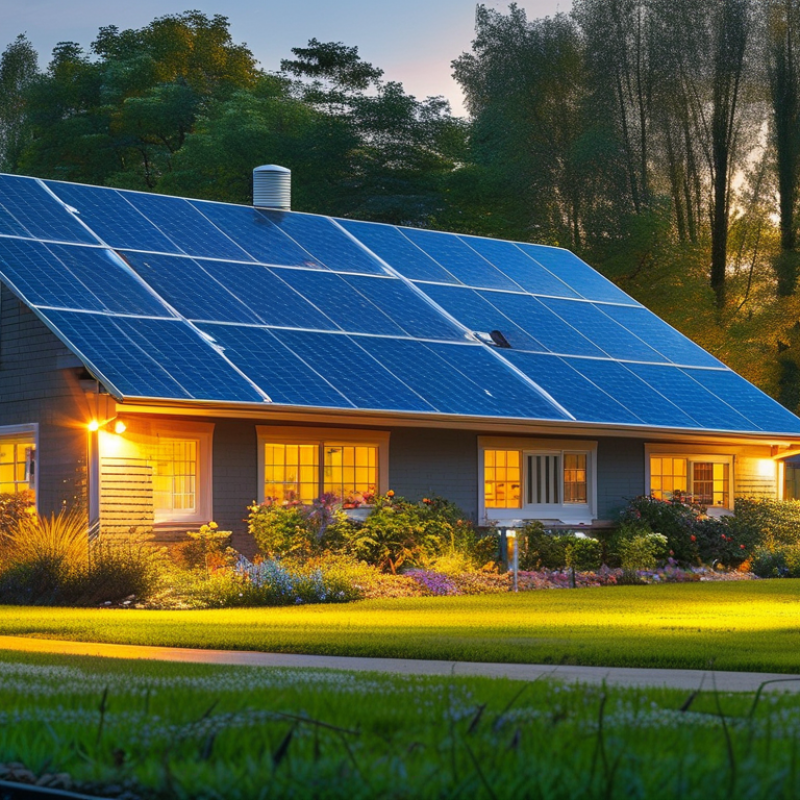
How to Automate Solar Garden Lighting for Better Efficiency?

Benefits of Automating Solar Garden Lighting

Automating solar garden lighting offers several benefits that enhance efficiency and sustainability. Research indicates that smart lighting solutions can reduce energy consumption by up to 40%. With automated sensors, lights turn on at dusk and off at dawn, ensuring they are only active when necessary. This smart management not only conserves energy but also prolongs the lifespan of solar panels and batteries.

Moreover, automated systems can adjust to weather conditions. For instance, on cloudy days, lights can operate longer, while clear nights might allow for dimming options, effectively managing power reserves. A study by the Solar Energy Industries Association (SEIA) notes that gardens with automated systems see increased effectiveness in lighting performance. An ideal setup could seamlessly integrate motion sensors, adjusting intensity based on movement, creating a safer environment while reducing waste.

However, there are challenges to consider. Initial costs for automation can be high, and technology can be complex. Regular maintenance is essential to ensure that sensors and batteries function correctly. This complexity can lead to industries hesitating to fully embrace automation. Still, the long-term benefits of efficiency, sustainability, and reduced operational costs are compelling. As global interest in solar solutions grows, addressing these challenges will be crucial for maximizing the potential of solar garden lighting.

Essential Components for Efficient Solar Lighting Automation

Automation in solar garden lighting can enhance efficiency and reduce energy waste. To achieve this, essential components are required. The core parts include solar panels, LED lights, a charge controller, and a motion sensor. Solar panels convert sunlight into electricity. LED lights are energy-efficient, providing bright illumination. A charge controller ensures the batteries are charged properly, extending their lifespan.

According to a report from the International Energy Agency, the average efficiency of solar panels has increased to around 20% as of 2023. This improvement makes solar garden lighting more viable than ever. Additionally, incorporating smart motion sensors can optimize energy usage significantly. These sensors activate lights only when necessary, extending battery life. Some studies suggest that using motion sensors can lead to a 30% reduction in energy consumption.

While these components are crucial, challenges remain. The placement of solar panels can affect their efficiency, requiring careful consideration of sunlight exposure. Moreover, battery degradation can influence overall performance. Regular maintenance and monitoring are essential to ensure the system operates optimally. By focusing on these key components and addressing potential issues, solar garden lighting can be automated for better efficiency.

Step-by-Step Guide to Setting Up Automated Solar Garden Lights

Automating solar garden lighting can significantly enhance energy efficiency. To start, ensure your lights are equipped with solar panels that can convert sunlight into energy effectively. According to the Solar Energy Industries Association, the average solar panel efficiency is around 15-20%. This efficiency impacts how well your lights perform, especially during cloudy days.

Once you have the right lights, consider using motion sensors or timers. Motion sensors help save energy by turning on the lights only when needed. Industry studies indicate that motion-activated lights can reduce energy consumption by up to 30%. Timers allow you to customize when your lights turn on and off, optimizing usage according to seasonal changes.

Don’t overlook the importance of placement. The location of your solar lights can affect their performance. Ideally, they should be installed in well-lit areas to maximize sun exposure. However, many users place them in shaded spots for aesthetic reasons. This can lead to inefficient charging and poor performance at night. Regularly examine the positioning of your lights as seasons change, adjusting them to ensure optimal solar gain.

Energy Consumption of Automated Solar Garden Lights

Best Practices for Maintaining Automated Solar Lighting Systems

Maintaining automated solar garden lighting systems requires a proactive approach. Regularly clean the solar panels to ensure maximum sunlight absorption. Dust and debris can significantly reduce efficiency. Use a soft cloth and mild soap. Rinse gently with water afterward. Regular checks on batteries are essential. Over time, batteries can lose their ability to hold a charge. This may require replacement to maintain optimal performance.

Another important aspect is to monitor the positioning of your lighting fixtures. As plants grow or outdoor structures are added, shadows may affect light. Adjusting their angles can improve illumination. In addition, it's vital to inspect the wiring and connections frequently. Corrosion or wear can lead to malfunctions. Addressing these issues promptly can prevent more significant problems later.

Yet, despite best efforts, some components may fail unexpectedly. Regularly evaluate the overall system for performance drops. Consider creating a schedule for these checks, marking down improvements and concerns. Being aware of non-ideal situations will aid in timely interventions. This can help maximize efficiency and enjoy a well-lit garden.

Integrating Smart Technology for Enhanced Light Management

Integrating smart technology into solar garden lighting can significantly improve its efficiency. The use of motion sensors can help regulate lighting based on activity. For instance, lights can automatically brighten when someone walks through the garden. This feature not only conserves energy but also provides safety during nighttime.

Another way to enhance light management is through smart controllers. These devices allow you to adjust lighting schedules remotely. You can program your lights to dim after a certain hour. This flexibility helps cater to your lifestyle while optimizing energy consumption. However, connectivity issues may occur, and it’s essential to ensure your Wi-Fi coverage is adequate.

Regular maintenance of the smart components is crucial as well. Dust and debris can block sensors, causing lights to malfunction. Periodic cleaning and updates to the software can extend the lifespan of your system. Reflecting on personal usage patterns can also identify areas for improvement, ensuring you benefit from your investment in smart solar lighting.

How to Automate Solar Garden Lighting for Better Efficiency? - Integrating Smart Technology for Enhanced Light Management

Feature Benefits Technology Used Energy Consumption (W) Operation Hours per Day Cost of Operation ($/Month)
Motion Sensor Saves energy by activating lights only when needed Infrared Sensor Technology 3 6 5.4
Dusk to Dawn Sensor Automatically turns on at sunset and off at sunrise Photoelectric Sensor 5 12 9.0
Remote Control Control lighting from a distance for efficiency RF Remote Technology 2 4 2.4
Smart Home Integration Seamless integration with home automation for added convenience Wi-Fi and Bluetooth Technology 4 10 12.0
Mobile App Control Manage lights remotely from your smartphone Mobile App Technology 3 5 3.6

FAQS

: How can I enhance the efficiency of solar garden lights?

: Use lights with effective solar panels. Aim for panels with 15-20% efficiency for better performance.

What are the benefits of motion sensors in solar lights?

Motion sensors turn lights on only when necessary. This can reduce energy consumption by up to 30%.

Where should I place my solar garden lights?

Install them in well-lit areas for optimal sun exposure. Avoid shaded spots that can impair charging.

How can I customize my solar lights' operation?

Use timers to set when lights turn on and off. This helps optimize usage throughout the seasons.

What role does smart technology play in solar lights?

Smart technology allows remote management of lights and can adjust based on activity in the garden.

How often should I maintain smart solar lighting?

Regular maintenance is essential. Clean sensors and update software periodically for optimal performance.

What should I consider about Wi-Fi when using smart solar lights?

Ensure your Wi-Fi coverage is strong. Connectivity issues can hinder the performance of smart controllers.

How do seasonal changes affect my solar lights?

Seasons can impact sun exposure. Regularly check and adjust the placement of your lights accordingly.

Why is regular reflection on usage patterns important?

Reflecting on how you use your lights can highlight areas for improvement. This ensures effective energy use.

What happens if I place my lights in shaded areas?

Shaded placement can lead to poor charging. This results in inefficient performance, especially at night.

Conclusion

In the quest for sustainable and efficient outdoor lighting, understanding how to automate solar garden lighting can significantly enhance your garden's aesthetics and energy conservation. Automating solar garden lighting comes with numerous benefits, including increased efficiency, reduced energy costs, and improved convenience. Essential components such as sensors, timers, and controllers play a crucial role in the effective setup of these systems.

A step-by-step guide to setting up your automated solar garden lights is fundamental for beginners, ensuring proper installation and seamless integration. Furthermore, maintaining these systems with best practices helps prolong their lifespan and performance. By incorporating smart technology, you can achieve enhanced light management, making it easier to control and customize your garden's ambiance while contributing to a greener environment.

Charlotte

Charlotte

Charlotte is a seasoned marketing professional with a deep understanding of the company's portfolio and a passion for elevating its presence in the market. With a keen eye for detail and a commitment to excellence, she ensures that our professional blog is regularly updated with insightful articles......