Zylo Solar
As homeowners seek sustainable energy solutions, hybrid solar systems gain popularity. These systems combine traditional grid power with solar energy, offering significant advantages. According to the Solar Energy Industries Association, the U.S. solar market grew by 43% last year, indicating a rising interest in renewable energy. Many ask, "What are the benefits of a hybrid solar system?"
Hybrid solar systems provide reliability during outages. They utilize battery storage, ensuring power availability when needed. In addition, they can lower energy bills significantly. A study from the National Renewable Energy Laboratory revealed that homeowners can save up to 70% on energy costs. However, this technology can be costly upfront.
Despite potential drawbacks, hybrid systems offer environmental benefits. They reduce reliance on fossil fuels and decrease carbon footprints. As more consumers embrace sustainability, understanding hybrid solar systems becomes crucial. Homeowners must weigh costs and benefits. In the end, the investment can lead to long-term savings and energy independence.
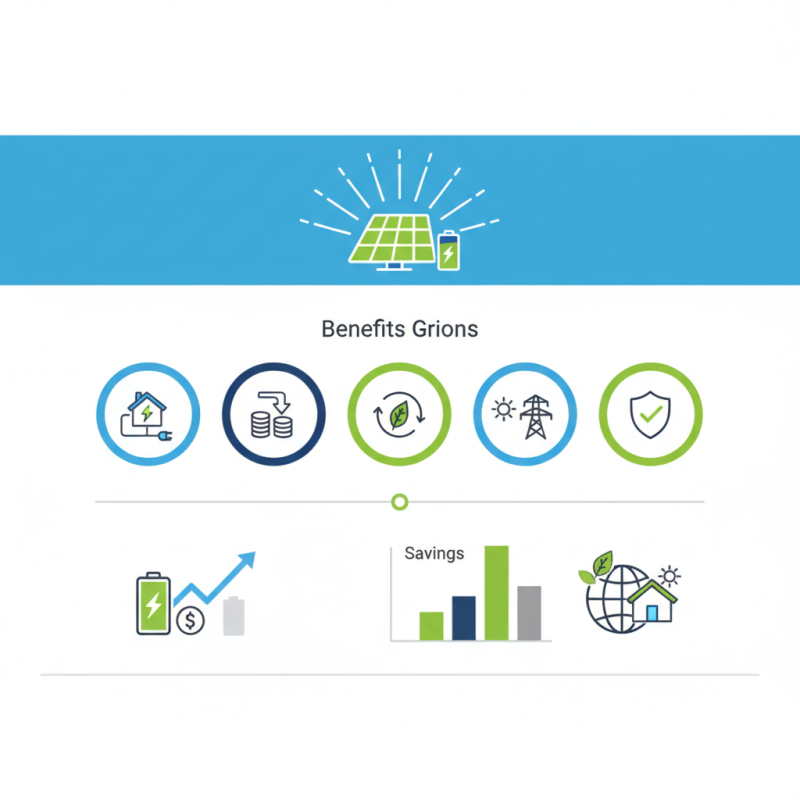
Hybrid solar systems combine traditional grid electricity with solar power. This system uses solar panels to harness energy. It also incorporates a battery to store excess energy. The battery ensures that power is available when the sun isn't shining. This combination is efficient and practical for many homeowners.
The components of a hybrid solar system include solar panels, an inverter, batteries, and a charge controller. Solar panels convert sunlight into electricity. The inverter transforms this electricity into a usable form for home appliances. Batteries store energy for later use, improving energy reliability. The charge controller manages the flow of electricity, preventing overcharging.
While hybrid systems offer many benefits, some elements can be challenging. Installation costs remain a concern. Homeowners must consider the initial investment versus long-term savings. Understanding how these systems operate can be overwhelming. Each component plays a crucial role, yet any malfunction can impact performance. It's essential to stay informed and choose reliable components for an optimal setup.
A hybrid solar system offers significant advantages for homeowners seeking energy independence. According to the National Renewable Energy Laboratory, homeowners can reduce their reliance on conventional power grids by up to 80% with such systems. This is achieved through the combination of solar panels, batteries, and grid connectivity. The ability to store excess energy for later use is crucial. During peak hours, households can utilize stored energy instead of drawing from the grid.
The shift towards hybrid solutions is driven by concerns over energy costs and grid reliability. A study by the U.S. Department of Energy indicates that renewable energy sources could provide nearly 30% of the nation's electricity by 2030. Homeowners adopting hybrid systems contribute to this transition. However, some may find the initial setup costs daunting. This is an aspect worth pondering for those considering this option.
Furthermore, there is an ongoing debate regarding battery lifespan and effectiveness. While batteries can store solar energy efficiently, they typically last 10-15 years before needing replacement. Homeowners should evaluate their usage and local climate conditions. Understanding these factors can lead to more informed decisions and greater satisfaction with hybrid solar systems.
| Benefit | Description | Potential Savings ($) | Environmental Impact |
|---|---|---|---|
| Energy Independence | Reduce reliance on grid power and fossil fuels. | $500 - $1200/year | Decreases carbon footprint significantly. |
| Cost Savings | Lower electricity bills through self-generated power. | $700 - $1500/year | Reduces need for non-renewable energy sources. |
| Battery Backup | Store excess energy for use during outages. | N/A | Enhances energy security and reliability. |
| Environmental Benefits | Contribute to clean energy goals and sustainability. | N/A | Significantly reduces greenhouse gas emissions. |
| Increased Property Value | Homes with solar systems sell for more. | $15,000 - $20,000 increase | Promotes renewable energy in the community. |
Hybrid solar systems provide an excellent solution for homeowners looking to save money and reduce their carbon footprint. The ability to harness both solar energy and utility power maximizes efficiency. With a hybrid system, you can store excess solar energy in batteries for later use, avoiding high electricity costs during peak hours.
Cost savings are significant. Homeowners often enjoy lower electricity bills. In many regions, financial incentives from government programs make the initial installation more affordable. These incentives can offset a large part of the upfront investment. Additionally, using a hybrid system can increase your home's value over time.
Tips for maximizing savings include monitoring your energy usage closely. Understand when your energy consumption peaks. You might find that running appliances during off-peak hours can lead to additional savings. Also, consider investing in smart home technology. Smart thermostats and appliances can further reduce costs.
Remember that every home is unique. Evaluate your energy needs before choosing a system. You may need to adjust your usage habits. This reflection will help you make the most of your hybrid solar system.
Hybrid solar systems combine traditional grid energy with solar power, offering significant environmental benefits. One compelling advantage is the reduction of greenhouse gas emissions. According to a report by the U.S. Environmental Protection Agency, solar systems can reduce carbon dioxide emissions by up to 100 tons per home over a 30-year period. When more households adopt hybrid systems, the collective impact can substantially decrease air pollution.
In addition, hybrid solar systems can help conserve wildlife habitats. By utilizing dual sources of energy, there is less reliance on fossil fuels, which often lead to habitat destruction. As per the Solar Energy Industries Association, increasing solar energy usage could protect about 1.5 million acres of land within the next decade. This shift is crucial for maintaining biodiversity and supporting ecosystems.
**Tip:** Regular maintenance of your solar panels is essential. Clean panels can boost efficiency, ensuring they operate at optimal levels.
Moreover, hybrid systems can foster energy independence. They allow households to generate their own renewable energy while minimizing reliance on the grid. This not only contributes to a lower carbon footprint but also enhances resilience during energy shortages. However, this independence requires careful planning and sometimes significant upfront investment.
**Tip:** Evaluate your local energy usage patterns. This assessment can guide the installation size and system type that best suits your home.
Installing a hybrid solar system can significantly boost your home’s value. Buyers are increasingly attracted to properties with sustainable energy options. A solar system represents a commitment to energy efficiency. This gives homes a modern edge in a competitive market. Houses with solar panels often sell faster, adding to their appeal.
Solar installations can lower energy bills. This makes homes more attractive to budget-conscious buyers. A reduction in monthly expenses highlights the practicality of solar energy. However, not every system is perfect. Maintenance costs and potential inefficiencies may arise. These aspects require careful consideration before installation.
Moreover, solar installations contribute to environmental sustainability. Homeowners feel good about making eco-friendly choices. This can enhance the overall desirability of a property. Yet, one must reflect on the long-term financial impact. Weighing benefits against possible drawbacks is essential. Home improvement wonders may bring unexpected challenges. Balancing returns and responsibilities helps in making informed decisions.
: Hybrid solar systems can save money and reduce your carbon footprint. They combine solar energy with utility power, maximizing efficiency.
They store excess solar energy in batteries, allowing users to avoid high costs during peak hours.
Many government programs offer financial incentives. These can help offset the cost of initial installation significantly.
Monitoring energy usage is key. Using appliances during off-peak hours can lead to substantial savings.
Yes, properties with solar energy options are more attractive to buyers. They often sell faster and for higher prices.
Each home is unique. Evaluating energy needs and potential maintenance costs is crucial before making a decision.
Yes, sustainable energy options make homes more desirable in a competitive market. They appeal to eco-conscious buyers.
Maintenance costs and inefficiencies are possible drawbacks. Homeowners should reflect on these aspects of installation.
Smart home technology, like thermostats and appliances, can help manage energy use efficiently.
Adjusting energy habits can optimize the benefits of a hybrid solar system, maximizing savings and efficiency.
Hybrid solar systems combine traditional grid power with renewable solar energy, creating a versatile energy solution for homeowners. What are the benefits of a hybrid solar system? Firstly, they offer enhanced energy independence by allowing homeowners to rely less on traditional energy sources, especially during outages. Additionally, these systems can lead to significant cost savings through reduced electricity bills and access to various financial incentives from governments and utility companies.
Furthermore, hybrid solar systems contribute positively to the environment by reducing carbon footprints and promoting renewable energy use. Lastly, installing a hybrid solar system can increase a home’s market value, making it more appealing to potential buyers who prioritize energy efficiency and sustainability. Overall, hybrid solar systems provide a comprehensive approach to energy management, combining practicality with ecological benefits.
