Zylo Solar
Choosing the right solar inverter size for your home is crucial for optimizing energy efficiency. A well-sized inverter can greatly enhance the performance of your solar panel system. However, many homeowners struggle with determining the correct specifications. Understanding how to calculate solar inverter size for home use is the first step in this important process.
To accurately size your inverter, you must consider several factors. The total energy consumption of your household, measured in kilowatt-hours (kWh), plays a vital role. Additionally, think about peak sunlight hours and your geographic location. These variables are unique to each home, making it essential to approach sizing thoughtfully.
It’s easy to overlook certain aspects. For example, many forget to account for future energy needs, such as new appliances or increased electricity usage. An undersized inverter may lead to inefficiencies, while an oversized one can result in unnecessary costs. Therefore, reflecting on your current and future needs is vital for making an informed decision.
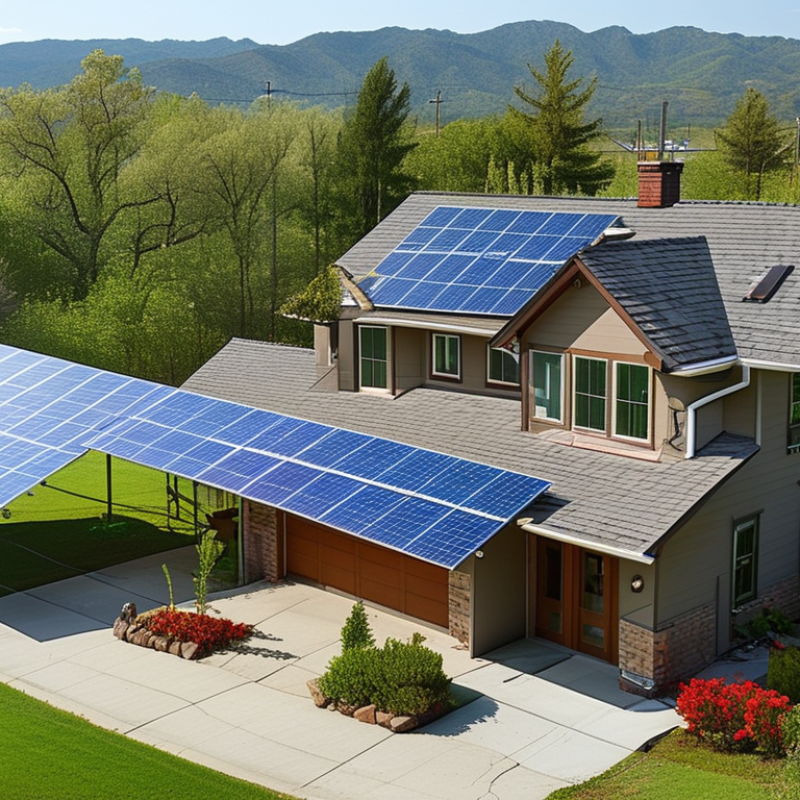
Solar inverters play a critical role in solar energy systems. They convert the direct current (DC) produced by solar panels into alternating current (AC) for household use. According to a report from the National Renewable Energy Laboratory, inverters account for about 15% of the total system cost. This makes choosing the right size for your home essential for both efficiency and cost-effectiveness.
When determining the correct inverter size, assess your energy consumption. Analyze your monthly electricity bill to understand your average usage. For example, if your home uses around 1,000 kWh per month, you might need a 5 kW inverter. Oversizing could lead to wasted energy during low production periods, while undersizing may not handle peak loads effectively.
It's crucial to factor in local climate and sunlight availability. Locations with high solar irradiance yield more energy, influencing inverter capabilities. A report by Solar Energy Industries Association indicates that energy production can drop by 10-25% during cloudy days. This variability in solar generation impacts how you size your inverter. Consider potential fluctuations in energy production as you finalize your decision.
When selecting the right solar inverter size for your home, several factors come into play. One primary factor is your energy consumption. Understanding your monthly energy usage in kilowatt-hours (kWh) helps guide the inverter’s capacity. For average households, a common requirement ranges between 5 kW to 10 kW. Tracking your consumption patterns over time is essential. This can reveal peaks of high usage that you may need to account for.
Another crucial aspect is the size of your solar panel system. The inverter must match the overall capacity of your solar panels. If your panels generate more energy than the inverter can handle, it may lead to inefficiencies. Also, consider the location of your home. Geographic factors, such as local climate and sun exposure, can impact how much energy your system can produce. Each of these elements influences inverter selection.
Lastly, think about future expansions. If you plan to add more panels later, choosing an inverter with a higher capacity may be wise. However, overestimating requirements can lead to wasted funds. Do thorough calculations to ensure you make a balanced decision based on your specific needs.
When it comes to determining the right solar inverter size, understanding your home's energy needs is crucial. The average U.S. household consumes about 877 kWh per month, according to the U.S. Energy Information Administration. This translates to roughly 29 kWh per day. It's vital to analyze your energy usage patterns. More appliances may lead to higher daily energy consumption. This directly impacts the inverter size you'll need to purchase.
Consider the peak energy demand during the day. For instance, if your appliances collectively require 6 kW during peak hours, you should select an inverter rated for at least that capacity. Additionally, most solar systems are designed to produce energy optimally during sunny conditions. According to the National Renewable Energy Laboratory, this means that sizing your inverter can be complex. Under-sizing may lead to inadequate power supply, while over-sizing could cause inefficiencies.
Using a solar energy calculator can provide precise insights into your energy requirements. These tools factor in local solar irradiance, your roof's angle, and your system's orientation. Yet, it’s essential to validate these calculations. Relying too heavily on averages can lead to oversights. Regularly monitoring your energy usage and adjusting can help ensure your setup continues to meet your needs effectively.
| Energy Usage (kWh/month) | Recommended Inverter Size (kW) | Number of Solar Panels (300W each) | Typical Appliance Load (W) |
|---|---|---|---|
| 500 | 3.0 | 5 | Refrigerator 200W, Lighting 100W, Computer 100W |
| 1000 | 5.0 | 10 | Refrigerator 200W, Washer 500W, Lighting 300W |
| 1500 | 7.5 | 15 | Refrigerator 200W, Dryer 800W, Lighting 300W |
| 2000 | 10.0 | 20 | Refrigerator 200W, Oven 1500W, Lighting 300W |
| 2500 | 12.5 | 25 | Refrigerator 200W, HVAC 3000W, Lighting 300W |
When selecting a solar inverter, it’s essential to consider whether to use a grid-tied or off-grid system. Grid-tied systems connect your home to the local electricity grid. They offer benefits like net metering. This means you can sell excess energy back to your utility. However, they depend on the grid. A power outage could shut down your system. This might not be ideal for everyone.
On the other hand, off-grid systems provide independence. They work well in remote areas. You rely solely on solar energy, without relying on a power grid. However, these systems require battery storage. This can increase initial costs and maintenance needs. Think about your energy needs. Do you need consistent power, or is redundancy acceptable? Solar technology is evolving. Solutions are becoming more efficient, but challenges remain. Evaluate your lifestyle and energy consumption before making a choice.
When selecting a solar inverter, efficiency and budget play crucial roles. A well-chosen inverter can maximize energy conversion from solar panels. According to a study by the National Renewable Energy Laboratory, high-efficiency inverters can achieve over 98% performance. This means more power for your home and possibly lower electricity bills.
Budget constraints often influence decisions. For example, the average cost of inverters ranges from $1,000 to $3,000, depending on capacity and features. Consider the upfront costs versus long-term savings. Lower-cost options may be tempting but could lead to less efficient performance. Over time, this can affect your overall return on investment.
Efficiency ratings vary widely. Some inverters have a better performance warranty, while others may not last long. It's essential to reflect on installation costs and potential maintenance needs. Balancing initial expenditures with expected energy yield requires careful thought. Optimal sizing depends on your energy needs and financial capacity. It's not always clear-cut, and discussing options with a professional can be beneficial.
: Solar inverters convert direct current (DC) from solar panels into alternating current (AC) for household use.
Assess your monthly electricity bill to understand your average energy consumption. Aim for an inverter that matches your needs.
Oversizing may lead to wasted energy during low production periods. This situation can negatively impact overall efficiency.
Climate affects solar energy generation. Places with less sunlight may need different inverter sizes to maintain efficiency.
If you plan to add more solar panels, select an inverter with a higher capacity. But be cautious not to overestimate your needs.
The average U.S. household uses about 877 kWh per month, which affects inverter size selection.
Peak energy demand is the maximum energy usage during the day. Your inverter should be capable of handling this demand.
Yes, but ensure you validate the results. Relying too much on averages can overlook specific energy needs for your home.
Regularly track your consumption and adjust your system accordingly. This keeps your solar setup effective over time.
Understanding patterns reveals peaks in usage and helps to optimally size the inverter for your household requirements.
Choosing the right solar inverter size for your home is crucial for optimizing your solar power system's performance. Understanding solar inverters and their functionality lays the foundation for this process. Key factors influencing inverter size include your home's energy needs, which can be calculated by assessing your typical power consumption patterns. Additionally, the decision between grid-tied and off-grid systems will affect the type and size of the inverter you require.
To accurately determine how to calculate solar inverter size for home use, homeowners must evaluate their energy demands, consider system efficiency, and align their choice with their budget. A well-chosen inverter not only enhances energy efficiency but also maximizes cost savings in the long run, making it a vital component of any solar power setup.
