Zylo Solar Zylo Solar

Monocrystalline vs Polycrystalline Panels Which is Better in 2026?

Time:2026-07-30 Author:Ethan
0%

In the rapidly evolving solar energy industry, choosing the right solar panel is crucial. What is the difference between monocrystalline and polycrystalline panels? A 2022 Solar Market Insights report indicates that these panels each have distinct advantages. Monocrystalline panels are known for their higher efficiency rates, typically exceeding 20%. This means they are ideal for limited space installations. Conversely, polycrystalline panels, while generally less efficient, often offer a more affordable option, making them appealing to budget-conscious consumers.

Data from the International Renewable Energy Agency suggests the global solar energy market could reach 1,300 gigawatts by 2026. As demand grows, understanding panel types becomes essential. Consumers must weigh efficiency against cost. While monocrystalline panels yield higher energy output, polycrystalline panels can be a practical choice for larger projects. It's important to consider where improvements can be made in production processes. As technology advances, both types will evolve, potentially altering the landscape.

Investing in solar technology demands careful consideration of panel types. Reports from energy analysts highlight that advancements may soon reduce the cost gap between the two. Recognizing these differences helps consumers make informed decisions. As we approach 2026, the conversation on monocrystalline versus polycrystalline will likely gain momentum.
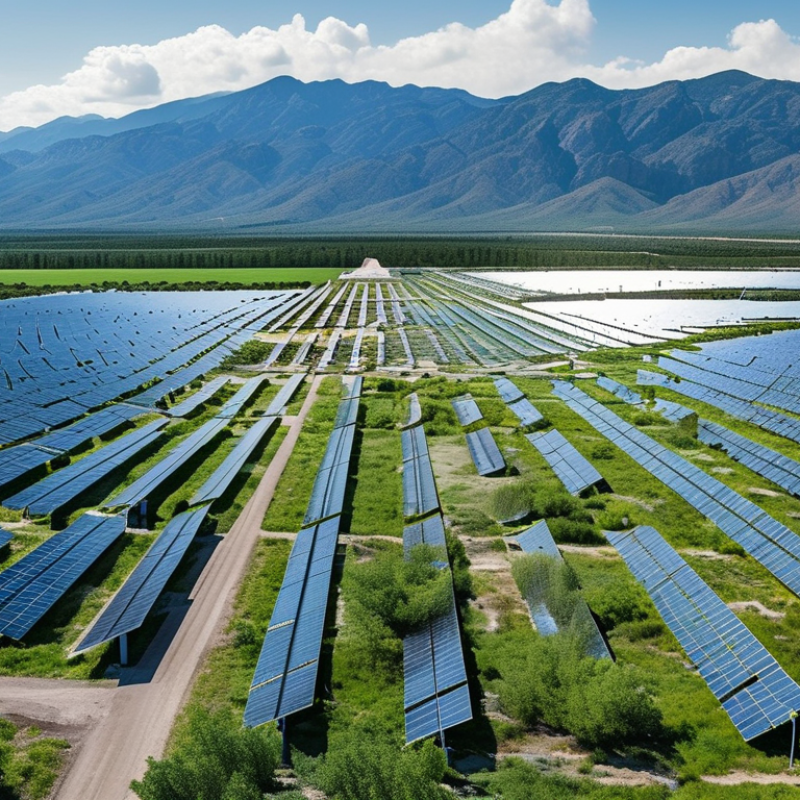
Monocrystalline vs Polycrystalline Panels Which is Better in 2026?

Monocrystalline Panels: Features and Advantages Explained

Monocrystalline panels are well-known for their efficiency and advanced technology. Made from single-crystal silicon, they convert sunlight into energy effectively. This structure allows for higher power output compared to other types. Users often report satisfaction with their performance, especially in limited space.

A key feature is their longevity. Monocrystalline panels can last over 25 years, making them a reliable investment. However, they are typically more expensive upfront. The cost can be a barrier for some homeowners. It raises questions about return on investment and long-term savings.

Installation is crucial. Proper setup maximizes energy capture. Unfortunately, not all installers have the same expertise. This inconsistency can lead to subpar performance. Users must choose their contractors wisely. Research and gather reviews can help identify quality service providers. Ultimately, understanding features and potential drawbacks is essential for optimal decision-making.

Polycrystalline Panels: Key Characteristics and Benefits

Polycrystalline panels are gaining attention for their unique characteristics and benefits. These panels consist of multiple silicon crystals, offering a more cost-effective solution for solar energy. They are typically less expensive to manufacture than monocrystalline panels. This makes them an attractive option for budget-conscious consumers. Their efficiency, however, is generally lower, which means they require more space for installation.

When considering polycrystalline panels, it’s essential to evaluate their efficiency ratings. They usually operate within a range of 15% to 17%. In contrast, monocrystalline panels often exceed 20%. This difference might influence your choice, especially if space is limited. The appearance of polycrystalline panels is also distinct. Their bluish hue and textured surface contrast with the sleek black look of monocrystalline panels.

Tips for selecting the right panel include assessing your installation space and energy needs. Understanding your budget can help decide the best type of panel. Remember to consider the long-term benefits, like potential savings on energy bills. While polycrystalline panels may not offer the highest efficiency, they present a balanced choice for many households. Regular maintenance and cleaning can enhance their performance, making them a reliable option for solar energy adoption.

Performance Comparison: Efficiency and Output of Both Panel Types

When comparing monocrystalline and polycrystalline panels, efficiency and output remain crucial factors. Monocrystalline panels typically achieve efficiencies around 20% to 22%. This efficiency allows for more energy generation in smaller spaces. Reports indicate that in locations with limited roof space, choosing monocrystalline can lead to higher energy output. This advantage can be significant in 2026, as energy demands rise.

Polycrystalline panels, on the other hand, usually have efficiencies between 15% and 18%. This means they may require more area to produce the same amount of energy as monocrystalline panels. A study from the National Renewable Energy Laboratory suggests that polycrystalline panels may be less effective under high-temperature conditions. This can affect their performance, particularly in warmer climates, where many installations occur.

However, both panel types have distinct advantages. Monocrystalline panels are often costlier. This could be a concern for budget-conscious consumers. Furthermore, polycrystalline panels might offer better performance in shady conditions, despite their lower efficiency. It's essential to assess location, budget, and energy needs when choosing between them.

Cost Analysis: Investment and Long-Term Savings of Each Option

In 2026, the decision between monocrystalline and polycrystalline solar panels hinges significantly on cost analysis. Monocrystalline panels often present a higher upfront cost, averaging around 20% more than their polycrystalline counterparts. However, this initial investment could yield greater long-term savings. According to recent industry data, monocrystalline panels demonstrate higher efficiency rates, typically ranging from 15% to 22%. This leads to more energy production in limited space, making them a better choice for smaller properties.

On the flip side, polycrystalline panels are generally less expensive, appealing to budget-conscious buyers. Their initial savings can be compelling; however, they offer lower efficiency, usually between 13% and 16%. Over time, the reduced energy output may offset upfront savings. A study by the National Renewable Energy Laboratory (NREL) highlighted that while polycrystalline's lower price attracts users, the return on investment can diminish after several years as energy costs rise.

Investing in solar technology involves weighing immediate costs against potential long-term savings. Homeowners must consider local energy prices and available incentives. Understanding the subtleties between panel types can lead to a more informed decision. Knowledge of industry trends and projections aids in making a choice that aligns with both financial and environmental goals.

Future Trends: Expected Developments in Solar Panel Technology by 2026

In 2026, solar panel technology is expected to undergo significant advancements. New materials and manufacturing techniques will enhance efficiency and reduce costs. Monocrystalline panels currently lead in efficiency. However, polycrystalline options may become more competitive as innovation progresses.

Tips: Consider the lifespan of different panels. Monocrystalline panels generally last longer and yield more energy. This longevity can offset higher initial costs. However, polycrystalline panels might provide a shorter return on investment, depending on market conditions.

Research indicates that solar energy demand will increase. Consumers will have access to more data on panel performance. Transparency in energy production will grow, helping homeowners to make informed decisions. New technologies might allow panels to integrate better with smart home systems.

Tips: Check for performance warranties regularly. Understanding the details can help in future upgrades or replacements. Also, consider local climate effects on solar panel output. Conditions like shading or snowfall play a vital role in efficiency.

FAQS

: What are the main advantages of monocrystalline panels?

: Monocrystalline panels offer high efficiency and a long lifespan. They can operate effectively in small spaces.

Why might the cost of monocrystalline panels be a concern?

Their higher upfront cost can deter some consumers. It's essential to assess return on investment carefully.

How long can monocrystalline panels last?

They can last over 25 years, making them a reliable long-term investment for many homeowners.

What are the efficiency ratings for polycrystalline panels?

Polycrystalline panels typically have an efficiency range of 15% to 17%, which is lower than monocrystalline options.

What factors should I consider when choosing between panel types?

Evaluate installation space, energy needs, and budget. Long-term benefits are crucial in your decision-making process.

How does maintenance affect polycrystalline panel performance?

Regular maintenance and cleaning can enhance their efficiency, making them a more reliable choice over time.

Are polycrystalline panels a good fit for budget-conscious consumers?

Yes, they are generally less expensive initially but may have lower long-term energy savings.

How do energy costs impact the investment decision?

Local energy prices can affect return on investment. It's vital to understand potential long-term savings.

What is the key drawback of polycrystalline panels?

Their lower efficiency means they might require more installation space for the same output as monocrystalline panels.

What should I research when selecting a contractor for panel installation?

Look for reviews and past performance. Expertise varies, and it can significantly impact panel efficiency.

Conclusion

The article titled "Monocrystalline vs Polycrystalline Panels: Which is Better in 2026?" explores the fundamental aspects of both types of solar panels, focusing on their features, advantages, and expected performance outcomes. Monocrystalline panels are known for their high efficiency and space-saving design, while polycrystalline panels offer cost-effectiveness and decent performance. The article provides a comprehensive performance comparison, highlighting efficiency and output differences, as well as a cost analysis that considers both initial investment and long-term savings.

To address the question, "What is the difference between monocrystalline and polycrystalline panels," the article emphasizes that the main distinction lies in their manufacturing processes and resulting structures, which affect their efficiency and installation costs. Additionally, it discusses future trends in solar technology, predicting advancements that may impact both panel types by 2026, ultimately aiding consumers in making informed decisions based on performance and budget considerations.

Ethan

Ethan

Ethan is a seasoned marketing professional with a deep expertise in our company's innovative product line. With a passion for sharing knowledge and insights, he takes the lead in regularly updating our corporate blog, where he explores industry trends, product features, and effective marketing......