Zylo Solar
When it comes to powering your electronics, the choice of inverter plays a crucial role. Many consumers wonder, "Why is a pure sine wave inverter better for electronics?" This question holds significant weight in the realm of power supply. Pure sine wave inverters produce a smooth, consistent waveform. This characteristic is essential for sensitive devices, such as laptops, televisions, and medical equipment.
Using a pure sine wave inverter can lead to improved performance of these electronics. Devices operate more efficiently, reducing heat and wear. They also minimize the risk of malfunctions. Many users may overlook these benefits while opting for cheaper alternatives. However, the long-term advantages make pure sine wave inverters a worthwhile investment.
Moreover, pure sine wave inverters provide cleaner power. This cleanliness helps protect against electrical noise and distortions. Such disturbances can compromise the functionality of precision tools and appliances. Therefore, choosing the right inverter is vital for both safety and longevity. By understanding the advantages of pure sine wave technology, consumers can make informed decisions for their power needs.
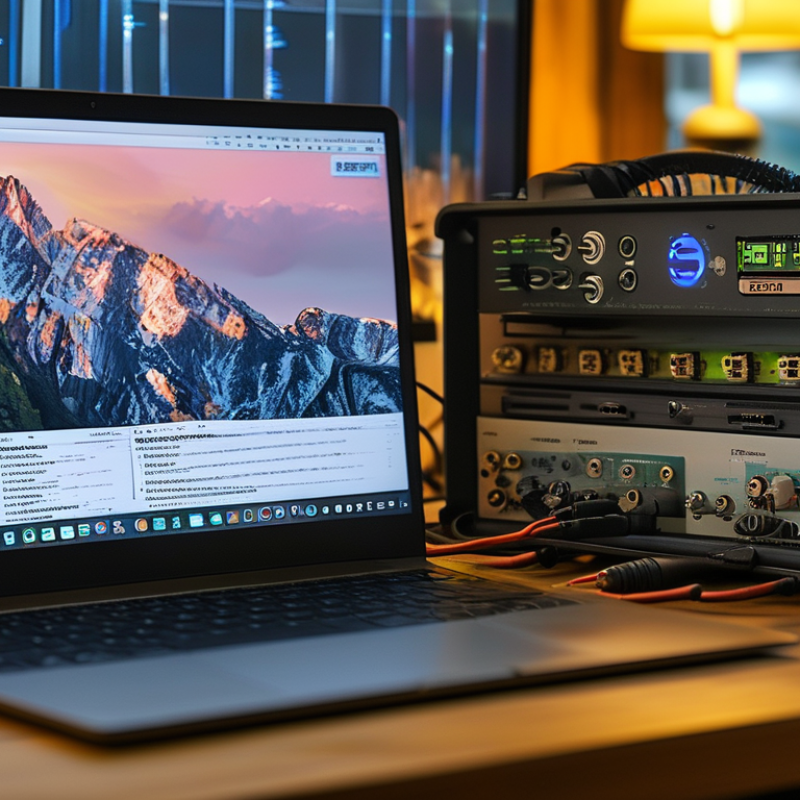
Pure sine wave inverters are essential for powering sensitive electronics. Unlike modified sine wave inverters, pure sine wave models produce a smooth, clean current. This is crucial for devices such as computers and medical equipment, which can suffer damage from inconsistent power. According to industry reports, roughly 30% of sensitive electronics can malfunction or become less efficient when powered by modified sine waves. The smooth waveform reduces the risk of overheating and extends the lifespan of these devices.
The functionality of pure sine wave inverters lies in their ability to mimic the power provided by utility grids. They maintain a consistent voltage and frequency, closely replicating the natural power sine wave. This is vital for applications like solar energy systems, where accurate power delivery affects performance. A report from the National Renewable Energy Laboratory indicates that using pure sine wave inverters can increase efficiency by up to 20%.
Nonetheless, the higher cost of pure sine wave inverters can be a concern. They are often more expensive than their modified counterparts. This may lead some consumers to opt for cheaper alternatives, potentially compromising device safety and performance. This trade-off raises questions about short-term savings versus long-term reliability, underscoring the importance of informed decision-making when selecting an inverter for specific electronic needs.
This chart compares the performance characteristics of Pure Sine Wave Inverters and Modified Sine Wave Inverters across four dimensions: Efficiency (%), Waveform Quality, Device Compatibility, and Cost ($). As shown, Pure Sine Wave Inverters outperform Modified Sine Wave Inverters in key areas, making them the preferred choice for sensitive electronic devices.
Pure sine wave inverters provide a clean and stable power supply for sensitive electronics. Unlike modified sine wave inverters, they produce a smooth waveform similar to grid power. This makes pure sine wave inverters ideal for equipment like laptops and medical devices. They prevent overheating and ensure efficient operation.
Many appliances, such as microwaves and refrigerators, rely on pure sine waves. Using a modified sine wave could damage their circuits or affect performance. Additionally, pure sine wave inverters reduce electrical noise, providing a more pleasant environment. Whether powering a home office or off-grid cabin, pure sine wave inverters can be trusted for the safe operation of electronics.
Choosing a pure sine wave inverter may feel overwhelming at first. Consider the specific needs of your devices carefully. Ensure compatibility and weigh the costs against potential risks if using a modified sine wave inverter. Invest in quality for the longevity of your electronics; it’s a choice worth considering.
Pure sine wave inverters are essential for sensitive electronics and appliances. These devices produce a smooth, clean electrical output, replicating the power generated by utility companies. This consistency is vital for electronics like computers, medical devices, and audio equipment. They require stable power to function properly and avoid potential damage from irregular signals.
In contrast, modified sine wave inverters can introduce noise and fluctuations. This can result in overheating and reduced lifespan for sensitive equipment. Understanding this distinction can save users from costly repairs or replacements. Consumers often overlook this when making purchasing decisions, which may lead to regrettable choices later.
Using a pure sine wave inverter can enhance performance. It allows for the optimal operation of appliances, providing clear audio and efficient power usage. However, they are often more expensive than their modified counterparts, raising questions about budget and necessity. Ultimately, investing in the right inverter is about understanding your devices' needs and making informed choices.
When selecting a pure sine wave inverter, consider your electronics' unique needs. Many devices, like televisions and audio equipment, require clean power for optimal performance. Inconsistent electrical signals can cause flickering or reduced lifespan. Pure sine wave inverters deliver stable power, safeguarding your investments.
Evaluate the inverter's capacity based on your usage. Calculate the total wattage of your devices to ensure the inverter can handle the load. Overloading can lead to overheating, which diminishes efficiency. It’s crucial to balance power demands with the inverter's capabilities. Look into features like surge capacity, which allows short bursts of energy beyond continuous ratings.
Don't overlook installation requirements. Some inverters are easier to set up than others. A complicated installation may lead to setup errors. Lastly, research warranty options. A reliable warranty reflects confidence in the product. It also indicates potential customer support, should issues arise.
Pure sine wave inverters have become essential in various industries. They provide a stable electric output that closely resembles traditional grid power. This quality is crucial for sensitive electronics. For instance, medical equipment such as MRI machines and surgical devices rely on clean power to function accurately. The precision of pure sine wave output reduces the risk of errors significantly, which is vital in life-saving situations.
In the renewable energy sector, pure sine wave inverters play a crucial role. According to recent reports, over 80% of solar energy systems prefer pure sine wave technology to ensure converter longevity and efficiency. This type of inverter minimizes harmonic distortion, which protects sensitive solar inverters and batteries. Additionally, in the marine and RV industries, these inverters power equipment like microwaves and refrigerators without causing operational disruptions. The seamless performance of these devices underlines the importance of high-quality power supply.
Notably, sectors like telecommunications also benefit. Cellular towers utilize pure sine wave inverters to maintain reliable power, even during outages. With a reported increase of 15% in demand for uninterrupted power sources, the importance of pure sine wave technology can no longer be overlooked. A deeper understanding of these applications highlights both the reliance on and challenges faced by industries adapting to evolving energy solutions.
: A pure sine wave inverter produces smooth, clean electrical output. It mimics the power from utility grids.
They provide stable power, reducing the risk of damage to devices like computers and medical equipment.
They can boost efficiency by up to 20% in systems like solar energy due to consistent power delivery.
Modified sine wave inverters are often cheaper but can harm sensitive devices. This trade-off can be risky.
They are essential in healthcare, renewable energy, marine, RV, and telecommunications, ensuring reliable power.
Yes, it can cause overheating and reduce the lifespan of sensitive equipment, leading to costly repairs.
Yes, they are generally pricier than modified variants. Consumers must weigh budget against long-term reliability.
They enhance audio clarity and efficiency, ensuring optimal performance for sound systems and devices.
It is vital for life-supporting medical equipment, where electrical precision can affect patient safety.
Understanding their importance can be complex. Some may overlook their benefits, risking performance and safety.
A pure sine wave inverter is essential for efficiently powering sensitive electronics and appliances due to its ability to produce a clean and stable power output that closely resembles the electricity supplied by utility companies. This quality ensures that devices operate smoothly without interference, reducing the risk of damage and prolonging their lifespan.
Why is a pure sine wave inverter better for electronics? The advantages over modified sine wave inverters include improved operation for motors, enhanced performance for audio and video equipment, and increased compatibility with a wider range of devices. When selecting a pure sine wave inverter, considerations such as wattage requirements, size, and specific industry applications—ranging from residential use to automotive and commercial settings—are crucial for optimal performance. Overall, these inverters play a vital role in ensuring reliable and efficient energy solutions across various applications.
