Zylo Solar
Grounding a solar power system is crucial for its safety and effectiveness. Proper grounding protects your equipment from electrical surges. A recent National Renewable Energy Laboratory report states that improper grounding can lead to significant system malfunctions. Thus, understanding how to ground a solar power system safely is necessary for longevity and performance.
Many installations overlook essential grounding principles. This oversight can expose systems to damage and increase fire risks. Researchers emphasize that nearly 30% of solar power systems may face issues due to inadequate grounding. This indicates a widespread challenge that needs attention from both installers and homeowners.
Effective grounding practices not only enhance system reliability but also ensure compliance with electrical codes. A solar system that follows these practices reduces the potential for hazards. It's vital to engage with experienced professionals who understand local regulations and safety standards. By doing so, you can safeguard your investment and ensure optimal energy production.
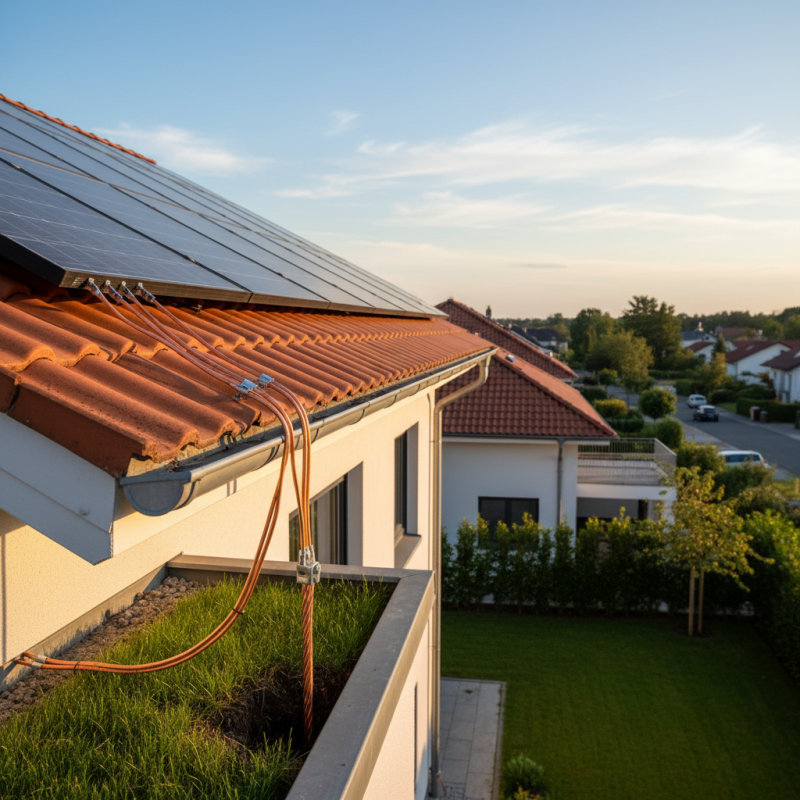
Proper grounding is crucial for the performance and safety of solar power systems. According to the National Renewable Energy Laboratory, improper grounding can lead to equipment damage and safety hazards. Grounding systems protect against overvoltage conditions and lightning strikes, thus ensuring reliable operation.
One study highlighted that systems with proper grounding had a 23% lower failure rate compared to those without. This shows that reliable grounding not only enhances performance but can also prolong the lifespan of solar installations. Grounding reduces the risk of electrical shock and fire, which is essential for both residential and commercial systems.
**Tips:** Regularly inspect grounding connections to ensure they are secure. Use corrosion-resistant materials to enhance durability. Consider hiring a qualified electrician to evaluate your grounding setup. This expert assessment can pinpoint weaknesses and reinforce safety standards. Well-grounded systems are less likely to experience performance dips. Although many overlook this aspect, attention to detail is crucial in maintaining optimal energy production.
When grounding your solar power system, several essential components come into play. The grounding wire is crucial for safety. Use a copper or aluminum wire, ideally sized according to local codes. An appropriate grounding rod is also vital. This rod should be at least 8 feet long for effective grounding. The installation depth must meet local regulations to ensure optimal performance.
In addition to wires and rods, grounding clamps play a significant role. These clamps securely attach the grounding wire to the grounding rod. They should be corrosion-resistant, especially in outdoor environments. A grounding bus bar can centralize connections, simplifying maintenance and troubleshooting. It's essential to regularly inspect these connections to ensure reliability over time.
While these components are straightforward, installation mistakes can occur. Insufficient grounding can lead to equipment damage or unsafe conditions. Regular checks on connections and grounding integrity are necessary for performance. Using an experienced electrician can help avoid pitfalls and ensure safety standards are met. Grounding is not just about compliance; it’s about ensuring the longevity of your solar system.
Grounding a solar power system is vital for safety and optimal performance. This ensures that electrical surges do not damage your equipment. Start by identifying the components needing grounding, such as solar panels and inverters. Use copper or aluminum ground wires for durability. Ensure that these wires are of the correct gauge for your system’s capacity.
When installing the ground rod, dig a hole at least eight feet deep. Drive a copper or galvanized steel rod into the ground until it is flush with the surface. Connect the ground wire firmly to this rod using a grounding clamp. Check connections regularly for rust or corrosion, as these can impair functionality.
Pay close attention to local codes and regulations regarding grounding. Sometimes, guidance from a professional is advisable. This process can feel overwhelming, especially for DIY enthusiasts. Mistakes in grounding can lead to significant issues, so double-check your work. Building a reliable and efficient system takes time and patience. Clear understanding translates into safety and energy efficiency.
When setting up a solar power system, grounding is crucial for safety and performance. Many installations overlook proper grounding techniques. One common mistake is using insufficient grounding conductors. This can lead to voltage issues and reduced efficiency. Make sure to use conductors that meet national standards for solar applications.
Another mistake is failing to connect all components effectively. If the inverter, panels, and other elements are not securely grounded, you risk equipment damage. Check each connection regularly. Inspections can catch loose connections early, preventing costly repairs.
Additionally, over-complicating the grounding system can lead to confusion. Some installers add unnecessary ground rods or complicated pathways. This increases the chance of error. Keeping the grounding simple is often more effective. By avoiding these mistakes, you can ensure a safe and efficient solar power system.
Grounding your solar power system is not just a safety measure; it’s a necessity for meeting local electrical codes.
Compliance with these regulations can prevent expensive damages and ensure the efficiency of your system.
A recent study by the National Renewable Energy Laboratory found that improper grounding can lead to a reduction in power production by as much as 30%.
This highlights the importance of adherence to established guidelines.
Electricians must understand local codes, which vary by region. Some requirements include the use of specific grounding methods and materials.
In many places, grounding electrodes must be installed to a certain depth. This can affect the system's overall performance and safety.
By consulting the National Electrical Code (NEC) and local amendments, you can avoid costly mistakes.
Inadequate grounding may lead to electrical shocks or equipment failure.
Grounding systems must be tested and maintained regularly. The Electrical Safety Foundation International (ESFI) suggests periodic inspections.
This ensures that your system remains safe and compliant over time. Inspecting connections every few years can prevent inefficiencies and hazards.
The consequences of neglect can be severe, affecting not just the solar system, but also overall home safety.
: You need a grounding wire, grounding rod, grounding clamps, and possibly a grounding bus bar.
The grounding rod should be at least 8 feet long to ensure effective grounding.
Use copper or aluminum wire, properly sized according to local codes for safety.
Grounding clamps secure the wire to the rod and should be corrosion-resistant for outdoor use.
Using insufficient grounding conductors can lead to voltage issues and decreased efficiency.
Failing to ground components like inverters and panels can cause equipment damage.
Regularly inspect connections and grounding integrity to catch issues early.
Over-complicating the system can increase errors; keeping it simple is often more effective.
Using an experienced electrician helps avoid common pitfalls and meets safety standards.
Insufficient grounding can lead to unsafe conditions and may damage your solar equipment.
Grounding is a critical aspect of solar power systems that enhances safety and optimizes performance. Proper grounding protects against electrical faults and reduces the risk of fire hazards. To ground a solar power system safely, one must understand the essential components involved, such as grounding rods, conductors, and bonding techniques.
Following a systematic step-by-step guide, installers can effectively ground solar panels and inverters while being mindful of common pitfalls to avoid. Additionally, it's vital to ensure compliance with local electrical codes, which govern grounding practices for solar installations. By focusing on how to ground a solar power system safely, homeowners can contribute to a reliable and efficient solar energy system.
