Zylo Solar
Solar energy has become a popular alternative for many households, promising clean and sustainable power. However, many people wonder, "Can solar panels work on cloudy days?" This question is crucial for potential solar users. Understanding the capabilities of solar technology during overcast conditions is vital.
Solar panels are designed to harness sunlight, but clouds can reduce energy generation. Despite this, panels can still produce electricity. This is because they can capture indirect sunlight. Modern solar technology is quite efficient and can operate even when skies are gray.
Many users have reported satisfactory energy production on cloudy days. There is often a misconception that solar power is only viable in sunny regions. However, many countries with cloudy climates still find solar energy beneficial. Exploring this topic will clarify how solar energy systems can contribute to your energy needs, even in less-than-ideal weather.
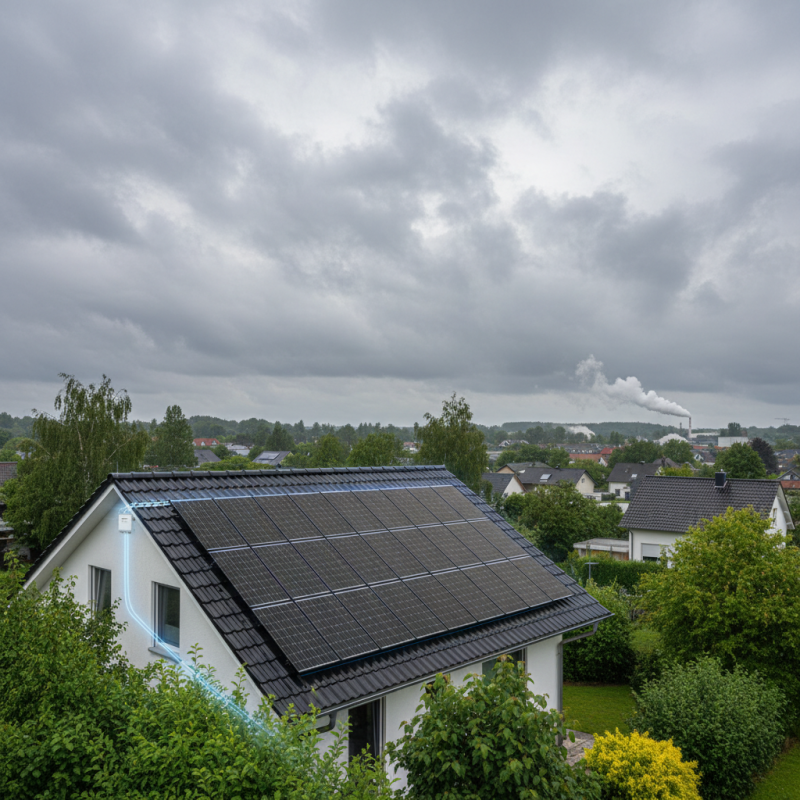
Solar panels can still generate power on cloudy days, though their efficiency dips. According to the National Renewable Energy Laboratory (NREL), solar panels can produce up to 25% of their maximum output in overcast conditions. This unexpected capability comes from their ability to harness diffused sunlight.
Cloudy weather scatters sunlight in various directions. This scattered light allows solar panels to capture energy, albeit at reduced levels. A study by Solar Power World noted that regions with consistent cloud cover can have solar power generation averaging 80% of sunny day output. These numbers suggest that relying solely on sunny conditions might underestimate solar technology’s potential.
Yet, energy loss on cloudy days raises questions. Inconsistent energy production can challenge grid reliability, especially in areas with high solar adoption. It's crucial for homeowners and businesses to consider battery storage or hybrid systems. These options can buffer energy supply, ensuring that power generation remains stable and reliable.
Solar panels are known for their efficiency on sunny days, but they can also generate power on cloudy days. Studies show that photovoltaic (PV) systems can produce about 10-25% of their typical output in overcast conditions. The science behind this involves the way solar cells convert diffuse sunlight into electricity.
Cloud cover diffuses sunlight, spreading it across a wider area. This diffusion helps solar panels capture light, even when direct sunlight is minimal. A report from the National Renewable Energy Laboratory indicates that cloudy weather can lead to a surprisingly effective energy yield. In regions with frequent overcast days, solar panels can still provide a significant contribution to energy needs.
However, the output varies greatly. Factors like the thickness of cloud cover and local weather patterns play essential roles. For instance, dense clouds can severely limit electricity production. Many homeowners are surprised by their solar system's reduced performance in winter months. Understanding these nuances helps users manage expectations. Tracking actual performance against estimates can reveal important trends, ensuring optimal energy use during all weather conditions.
Solar panels can indeed generate power on cloudy days, although their efficiency may be reduced. Cloud cover affects solar irradiance, the amount of sunlight reaching the panels. According to the National Renewable Energy Laboratory (NREL), solar panels can still produce between 10% to 25% of their capacity under cloudy conditions. This means even on overcast days, solar energy remains a viable option.
Several factors influence solar power generation during cloudiness. The type of cloud cover plays a vital role. Thin clouds allow some sunlight to penetrate, while thick clouds significantly block it. Location also matters; regions with frequent overcast weather may see a drop in annual solar energy generation. For instance, in areas like the Pacific Northwest, solar output can be about 15% lower compared to sunnier states.
Efficiency is another factor to reflect on. The angle of solar panels can affect how much light they capture. Installing panels at optimal angles can enhance output during cloudy days. Additionally, advancements in solar technology, such as bifacial panels, show promise. These panels can capture light reflected from surfaces below, providing extra energy even in less-than-ideal weather. While cloudy days can challenge solar energy generation, the continued development of technologies proves that the potential for power is still great.
| Location | Average Daily Solar Power (kWh) | Cloud Coverage (%) | Panel Efficiency (%) | Impact on Generation (%) |
|---|---|---|---|---|
| City A | 4.5 | 70 | 18 | 30 |
| City B | 3.2 | 80 | 16 | 25 |
| City C | 5.1 | 60 | 20 | 20 |
| City D | 2.8 | 75 | 17 | 28 |
When it comes to the efficiency of solar panels, many wonder about their performance on cloudy days. Solar energy production isn't solely reliant on direct sunlight. In fact, solar panels can still generate power under overcast skies, albeit at a reduced capacity. Typically, they might produce about 10-25% of their peak output during cloudy conditions.
This discrepancy can raise questions about the reliability of solar energy. The amount of electricity generated varies widely. Geographic location, the type of solar panel technology, and the thickness of cloud cover all play crucial roles. While some days may feel dim, certain cloud types can still allow for significant indirect sunlight. This variability invites reflection on the perceived dependability of solar energy sources.
Understanding these nuances is vital for potential solar adopters. Not every cloudy day renders solar panels ineffective, but expectations should be managed. It’s important to consider seasonal changes and battery storage solutions. By doing so, users can better prepare for less sunny days and make informed decisions about their energy needs.
Cloudy days often raise concerns about solar panel efficacy. However, advancements in technology are changing this perception. Recent studies show that modern solar panels can generate substantial energy even in low-light conditions. For instance, bifacial solar panels can capture sunlight from both sides, increasing their efficiency by 10% in overcast weather.
The introduction of new materials, like perovskite, has further enhanced solar performance. These materials work better in diffuse light, enabling panels to produce significant power when skies are gray. Research indicates that perovskite solar cells can achieve efficiencies above 25%, even under shaded conditions. This represents a notable breakthrough, as traditional silicon panels typically see a sharp drop in performance during cloudy weather.
Yet, there are still challenges to overcome. Despite these innovations, the energy output on cloudy days remains lower than on sunny days. Understanding the limitations of current technology is crucial. Continued investment in research and development is necessary to push boundaries and optimize solar energy capture. Recognizing these shortcomings fosters a more realistic outlook on solar energy's potential in diverse weather conditions.
This chart illustrates the average power output of solar panels under different weather conditions. As seen, sunny days generate the highest power output, followed by partly cloudy days, while cloudy days result in significantly lower power generation.
: Yes, solar panels can still produce energy, though at reduced efficiency. They can achieve up to 25% of their maximum output.
Cloud cover scatters sunlight, allowing solar panels to capture diffuse light. This results in some energy generation, even in overcast conditions.
Studies indicate that solar panels can generate about 10-25% of their usual output during cloudy weather.
Factors like cloud thickness and local weather significantly impact output. Dense clouds can drastically reduce electricity production.
Yes, battery storage can help stabilize energy supply. It ensures reliable power generation, especially during inconsistent weather.
Yes, in regions with frequent cloud cover, solar panels can still average about 80% of their output compared to sunny days.
Yes, many are surprised when their solar systems perform less effectively in winter or overcast conditions.
Tracking actual performance against estimates helps users understand their system's efficiency and adjust expectations accordingly.
The article "Can Solar Panels Generate Power on Cloudy Days?" explores the functionality of solar panels during overcast conditions, highlighting how they continue to produce energy even when sunlight is limited. It delves into the scientific principles behind solar energy generation in cloudy weather, emphasizing that while output may be reduced, panels can still capture diffused sunlight effectively.
Several factors influence the efficiency of solar power generation on cloudy days, including the thickness of cloud cover and the angle of sunlight. The article also provides a comparative analysis of solar output in sunny versus cloudy weather, demonstrating that solar panels can achieve notable energy production despite less than ideal conditions. Additionally, it discusses recent technological advancements aimed at enhancing solar efficiency in low-light environments, reinforcing the idea that "can solar panels work on cloudy days" is a positive affirmation of their resilience and adaptability.
