 Zylo Solar
Zylo Solar
Zylo Solar
Solar water pumps are gaining momentum in agriculture. They present an eco-friendly solution for irrigation, especially in areas with limited access to electricity. According to the International Renewable Energy Agency (IRENA), solar pump installations can reduce water costs by 30%. This reduction is crucial for farmers seeking sustainable operations.
Understanding how to set up a solar water pump for irrigation is essential. It can be a daunting task for many, but the long-term benefits are impressive. An effective setup ensures a reliable water supply, reducing dependency on conventional energy sources. It's also important to know that improper installation can lead to inefficiencies, wasting both water and energy.
Farmers should consider factors like local sunlight availability and pump size when planning. Each setup can differ based on these parameters. Reflection on past practices can guide improvements. The investment in a solar water pump system pays off, contributing to a resilient farming future.
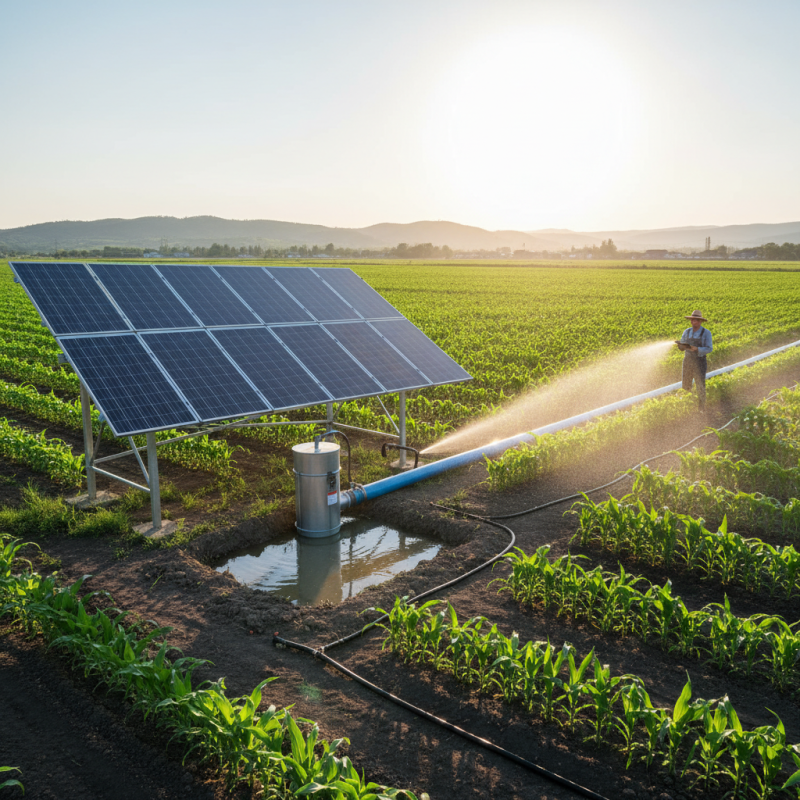
Solar water pumps are becoming essential for modern irrigation. They harness sunlight to deliver water efficiently, reducing dependency on fossil fuels. For instance, according to a report from the International Renewable Energy Agency (IRENA), the market for solar water pumps has grown steadily, projected to reach a worth of $1.4 billion by 2026. This shift highlights the increasing importance of these systems in sustainable agriculture.
Understanding the basics is crucial for effective setup. Solar water pumps typically consist of solar panels, a pump, and a controller. The solar panels convert sunlight into electricity, powering the pump. A 2020 study published in the Journal of Sustainable Agriculture showed that using solar-powered systems could increase irrigation efficiency by up to 70%. However, users must consider factors like local sunlight availability and water requirements of their crops.
While solar water pumps offer numerous benefits, challenges remain. Initial costs can be high. Additionally, not every location guarantees consistent sunlight throughout the year. Hence, it’s wise to analyze local climate data and potential maintenance needs before investing in such systems. Understanding these dynamics ensures a more effective and reliable irrigation solution.
| Tip No. | Tip | Details |
|---|---|---|
| 1 | Assess Water Needs | Determine the total water required for your crops based on climate and soil type. |
| 2 | Select the Right Pump | Choose a pump that meets the flow rate and pressure needs of your irrigation system. |
| 3 | Determine Solar Panel Size | Calculate the solar panel size based on the power consumption of the pump. |
| 4 | Choose Quality Components | Invest in high-quality pumps, panels, and controllers for reliable operation. |
| 5 | Optimize Site Location | Select a location with maximum sunlight exposure for the solar panels. |
| 6 | Ensure Proper Wiring | Use appropriate wires to reduce energy loss between the panels and pump. |
| 7 | Install a Controller | Utilize a solar pump controller to optimize efficiency and protect equipment. |
| 8 | Regular Maintenance | Perform regular maintenance checks to ensure your system operates efficiently. |
| 9 | Monitor Performance | Keep track of the water output and energy usage to optimize settings. |
| 10 | Stay Informed | Educate yourself on advancements in solar technology for improved efficiency. |
: They are primarily used for irrigation in agriculture.
Solar panels convert sunlight into electricity, which powers the pump.
Essential components include solar panels, a pump, and a controller.
Most pumps require at least 200 watts for optimal performance.
Pumps can be submersible or surface-mounted, depending on the water source.
Consider local climate, sunlight availability, and crop water requirements.
Components like storage tanks or filtration systems enhance efficiency but add complexity.
Yes, initial costs can be high, and not all locations have consistent sunlight.
Testing the system allows for adjustments that can improve agricultural results.
Local sunlight and climate conditions significantly impact their efficiency.
Setting up a solar water pump for irrigation can significantly enhance the efficiency and sustainability of your watering system. This process begins with understanding the basics of solar water pumps, which harness renewable energy to provide a reliable water source for various irrigation needs. Choosing the right pump is crucial and involves evaluating factors such as water source, flow rate, and energy requirements.
Once the appropriate pump is selected, essential components like solar panels, batteries, and control systems must be identified to create a complete system. The installation of the solar water pump involves a step-by-step guide to ensuring all parts are properly connected and positioned. Finally, establishing a routine for maintenance and optimization will extend the system's lifespan and ensure it performs efficiently. By following these guidelines on how to set up a solar water pump for irrigation, you can create a sustainable and effective watering solution for your agricultural practices.
