Zylo Solar
Installing solar panels on metal roofs is increasingly popular. Experts highlight its unique advantages. John Smith, a renowned solar panel installation expert, states, “Proper installation is key to maximizing efficiency.” Understanding how to install solar panels on a metal roof presents specific challenges.
Metal roofs provide durability and longevity. However, their structure may complicate the installation process. For instance, ensuring proper grounding and securing brackets can be critical. Some installers overlook the importance of these steps, risking their clients' investments.
Moreover, choosing the right mounting system is essential. A system that doesn't match the roof type may lead to leaks. Therefore, meticulous planning and consultation with professionals are necessary. Emphasizing quality and reliability ensures a successful installation. With expert guidance, homeowners can harness solar energy effectively and sustainably.
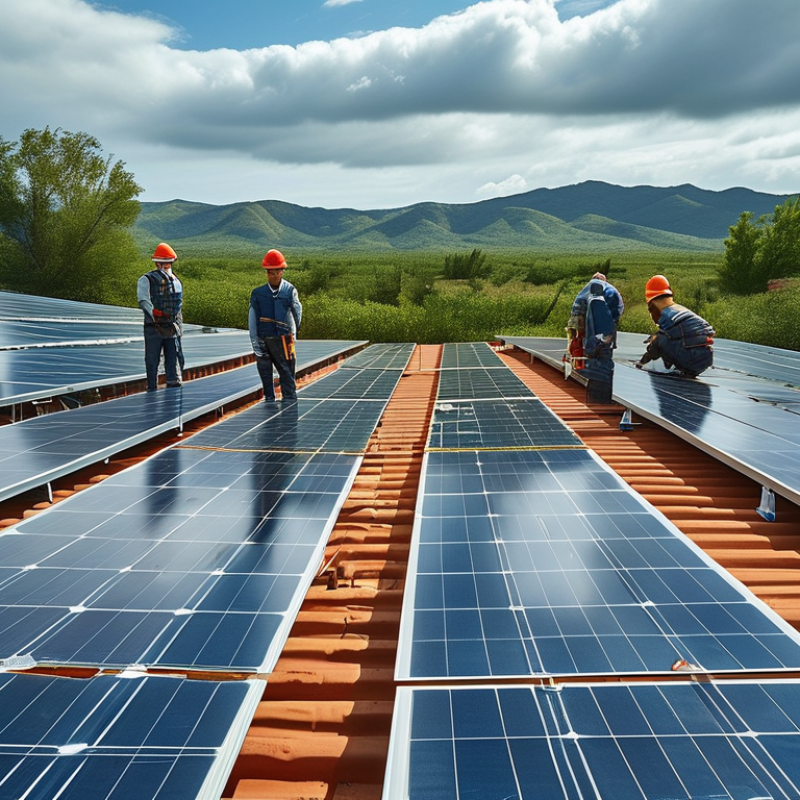
When selecting a solar panel system for metal roofs, it’s crucial to consider various factors. Metal roofs offer excellent durability, but compatibility with solar panels varies. According to the National Renewable Energy Laboratory (NREL), metal roofs can support solar systems effectively due to their slope and strength. However, not all panels are designed for such installations.
Evaluate the panel's weight. Lightweight photovoltaic panels can reduce stress on the roof structure. NREL reports that a standard solar panel weighs around 40 pounds. For heavier panels, ensure your roof can adequately support them. Additionally, consider the mounting system. Ballasted systems suit flat metal roofs, whereas clamp systems are ideal for standing seam profiles. Installing the wrong mounting can result in leaks or damage, leading to costly repairs.
Solar panel efficiency is another key consideration. High-efficiency panels deliver more energy in limited spaces, which is often the case with metal roofs. According to the Solar Energy Industries Association (SEIA), monocrystalline panels typically achieve efficiencies above 20%. This choice may warrant higher upfront costs but can result in better long-term savings. Ultimately, a well-planned installation process, including a thorough assessment of roof conditions, can help avoid issues later.
Installing solar panels on a metal roof can be an effective way to harness renewable energy.
However, before proceeding, it is crucial to assess the roof structure and
load-bearing capacity. Metal roofs often have unique designs and materials,
which can affect the installation process. A thorough inspection should focus on the
roof’s age and condition. Are there any visible signs of wear or damage?
Load-bearing capacity is equally important. The solar panels and mounting equipment
add weight to the roof. It’s vital to calculate this additional load accurately.
Metal roofs are generally strong, but older structures might not support extra weight well.
Consulting a structural engineer can help evaluate if reinforcements are necessary.
This ensures not only a successful installation but also the safety and durability
of the roof over time.
Paying attention to these details can prevent future issues. Are you prepared for
potential structural enhancements before installation? Always prioritize a secure,
reliable foundation for your solar energy system. It’s better to address these
concerns upfront than deal with complications later.
Preparing the roof surface before installing solar panels on metal roofs is crucial for longevity and efficiency. First, inspect the metal roof for any damage. Look for rust spots, dents, or loose seams. Any identified issues should be repaired before proceeding. A clean surface is essential. Remove debris, dirt, and, if applicable, any old coatings. This ensures that the solar panels adhere properly.
Next, consider the mounting system. It should match the roof type and structure. Preparing the surface means checking the integrity of roof attachments as well. Metal roofs have unique profiles that may require specific brackets. Use appropriate tools to secure them. It’s essential to achieve a flat surface for optimal performance.
Lastly, weather conditions play a role. Avoid installation during heavy rain or extreme temperatures. Monitor forecasts to ensure a suitable working environment. While it may be tempting to rush, taking these preparatory steps can prevent future problems. Reflect on the process, and remember that attention to detail today leads to savings tomorrow.
Installing solar panels on metal roofs can be an efficient and rewarding project. Begin by assessing your roof’s condition. Look for rust, loose panels, or holes that could affect installation. A stable surface is vital. Inspect the structure to ensure it can support the additional weight of the solar panels. It might not be perfect, but a thorough check helps avoid issues later.
Next, choose the right mounting system for metal roofs. Options include standing seam clamps or traditional brackets. Both have their pros and cons. Standing seam clamps are simpler and cause less damage, while brackets offer versatility. Consider your specific roof type when making a choice. Measure carefully and mark installation points. Precision is key here. Mistakes could lead to leaks or misalignment.
After mounting, connect the wiring securely. This can be tricky. It's essential to follow electrical codes and consult a professional if needed. Poor connections lead to inefficiencies. Test the system after installation to ensure everything functions as intended. Be prepared for adjustments, as installations often require fine-tuning. Each step counts toward a successful solar setup.
Maintaining and inspecting solar panels on metal roofs is crucial for optimal performance. Regular inspections help identify issues before they escalate. This proactive approach can save both time and money in the long run. Use a clean, soft brush to remove dirt and debris. This simple step ensures maximum sunlight absorption.
Understanding the specific needs of metal roofs is essential. Check for rust or corrosion around the mounting brackets. These areas can collect moisture, which may lead to damage over time. Address any signs of wear promptly to maintain structural integrity. Proper sealing around penetrations is also vital to prevent leaks.
Consider scheduling inspections at least twice a year, or after significant weather events. This frequency catches potential problems early. Document your findings during each inspection for a clearer picture of the system’s health. If you find consistent issues, re-evaluate the installation process. Regular maintenance creates a reliable solar energy system that lasts.
: Evaluate the roof's compatibility, weight of panels, and mounting systems suitable for metal roofs.
A standard solar panel typically weighs around 40 pounds.
Ballasted systems suit flat roofs; clamp systems are ideal for standing seam types.
High-efficiency panels produce more energy, which is vital for small roof spaces.
Check the roof for rust, loose panels, or any holes that might affect installation.
They are simpler to install and cause less damage to the roof.
Measure carefully and mark your installation points to avoid mistakes.
Yes, testing ensures everything functions correctly and allows for necessary adjustments.
Using the wrong mounting can lead to leaks or roof damage, incurring costly repairs.
Yes, poor wiring can lead to inefficiencies, so consulting a professional is advisable.
Installing solar panels on a metal roof can be a highly efficient choice for harnessing renewable energy. To successfully navigate "how to install solar panels on a metal roof," it's crucial to begin by selecting the right solar panel system tailored for metal structures. Assessing the roof's structure and load-bearing capacity helps ensure the installation is safe and durable.
Preparing the roof surface is vital, including cleaning and reinforcing areas as necessary. The installation process involves a step-by-step guide that covers mounting techniques specific to metal roofs, ensuring stability and efficiency. Lastly, regular maintenance and inspections are essential to maximize the lifespan and performance of your solar panels, allowing you to enjoy the benefits of solar energy for years to come.
