 Zylo Solar
Zylo Solar
Zylo Solar
Utility-scale battery storage systems have seen significant growth, expected to reach 200 GWh by 2025. This highlights the increasing focus on integrating energy storage with renewable sources. Knowing how to upgrade an existing solar system with battery storage is becoming essential for maximizing efficiency and sustainability.
With only 4% of U.S. homes utilizing solar battery storage in 2021, there is ample opportunity for growth. Battery systems help manage energy loads, enhance grid reliability, and reduce utility bills. However, many existing solar installations lack compatibility with advanced battery technology. This gap warrants attention and improvement, particularly as data suggests that homes with solar batteries can save an average of $1,500 annually on energy costs.
Considering the environmental impact, over 40% of energy consumption in homes can now be offset by integrating battery storage. This move not only offers potential cost savings but also contributes to a greener future. Upgrading your existing solar setup with battery storage is not just a technical challenge but also a crucial step toward energy independence. Addressing these enhancements can lead to better energy management and greater resilience against grid fluctuations.
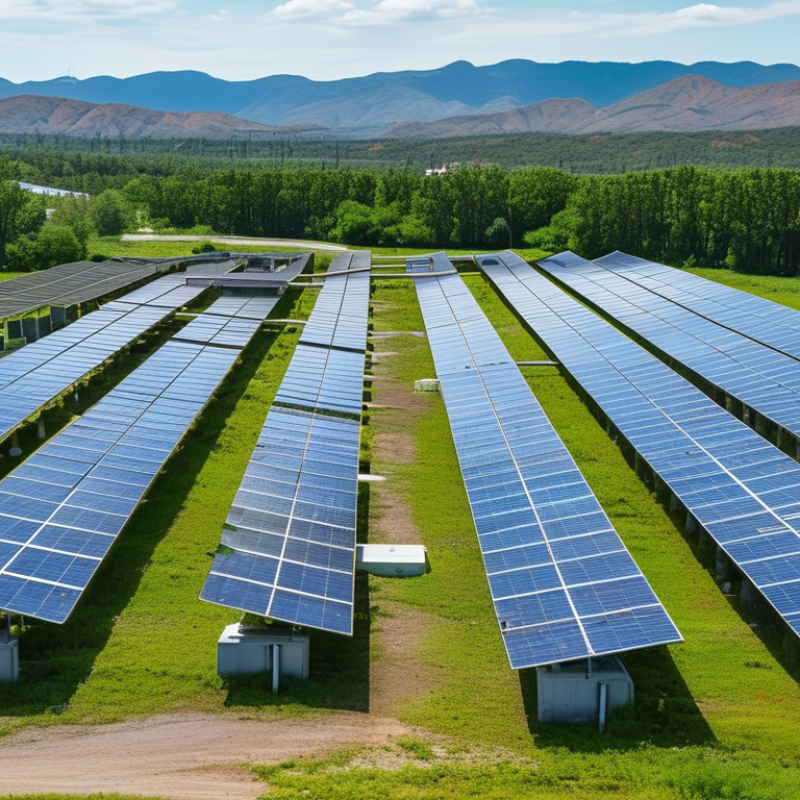
Understanding solar battery storage systems is crucial for homeowners looking to enhance their energy independence. These systems capture excess energy generated by solar panels during the day. According to the U.S. Department of Energy, around 70% of solar energy generated is often wasted without storage solutions. With a battery storage system, homeowners can store this surplus energy for use during peak demand times or outages.
When considering installation, it's vital to understand the types of batteries available. Lithium-ion batteries are currently the most popular choice due to their efficiency and longer lifespan. Studies indicate that lithium-ion batteries can last up to 15 years, providing reliable power. However, they come with a higher upfront cost. Lead-acid batteries, while cheaper, generally offer shorter lifespans and less effective performance.
Proper sizing of a battery storage system is often overlooked. It's essential to analyze your energy consumption patterns. A system that’s too small won't meet your needs, while one that’s too big can lead to wasted capacity. This requires careful calculation and sometimes professional advice. Balancing cost, capacity, and longevity is challenging but necessary for maximizing benefits.
| Upgrade Method | Description | Benefits | Considerations |
|---|---|---|---|
| Install a Battery Storage System | Incorporate a dedicated battery system to store excess solar energy. | Increased energy independence, backup power during outages. | Initial investment cost, space requirements for installation. |
| Upgrade Inverter | Replace existing inverter with one compatible with battery systems. | Improved efficiency and load management capability. | May require professional installation and configuration. |
| Implement Smart Energy Management | Use smart technology to optimize energy usage. | Maximizes energy savings and enhances battery life. | Potential compatibility issues with existing systems. |
| Expand Solar Panel Array | Add more solar panels to generate additional power. | Increased energy production and storage capabilities. | Space limitations and financial considerations for additional panels. |
| Integrate Home Automation | Link battery storage with home automation systems for efficiency. | Enhanced control over energy usage and costs. | Initial setup complexity and potential tech issues. |
: A solar battery storage system captures excess energy from solar panels for later use.
It enhances energy independence and prevents waste of solar energy generated during the day.
Lithium-ion and lead-acid batteries are the main options. Each has distinct advantages and drawbacks.
They are efficient, long-lasting, and can store a lot of energy, but they cost more upfront.
They are cheaper but have a shorter lifespan and less efficiency, requiring regular maintenance.
Analyze your energy consumption. A system that's too small won't meet needs; too large may waste capacity.
Understanding energy needs helps to match the right battery with your budget and usage requirements.
Yes, local experts provide tailored insights about performance, installation, and maintenance options available.
Consider budget, energy storage capacity, lifespan, and maintenance requirements before making a decision.
Many overlook proper sizing, which can lead to inefficiency and unmet energy needs over time.
Upgrading your solar system with battery storage can significantly enhance its efficiency and energy management. To begin, it’s essential to understand the basics of solar battery storage systems, which allow you to store excess energy for use when sunlight isn't available. Next, evaluating your current solar setup for compatibility with battery storage will help determine the feasibility of such an upgrade.
Choosing the right battery technology tailored to your energy needs is crucial for maximizing performance. Additionally, integrating the new battery system with your existing solar equipment can optimize energy usage. Lastly, exploring available incentives and programs for solar upgrades can provide financial assistance, making the transition smoother. Overall, understanding how to upgrade an existing solar system with battery storage not only improves energy independence but can also contribute to significant savings on energy costs.
