Zylo Solar
Zylo Solar
Zylo Solar
Engineered to maximize energy generation, conversion, and storage efficiency across global grids.
Founded in 2017 in the industrial hub of Jiangsu Province, China, Jiangsu Zylo Solar Co. Ltd. has established itself as an authoritative global leader in the clean energy industry. We specialize in the end-to-end research, development, high-end automated manufacturing, and global trade of premium photovoltaic modules, high-performance inverters, smart energy storage systems, and advanced electric vehicle (EV) charging stations.
Our core mission is to accelerate the transition to a sustainable, zero-carbon global economy. We provide custom, high-durability solutions for utility companies, industrial projects, and commercial developers worldwide. With a deep portfolio of technology patents, industry certifications, and a highly experienced engineering team, we ensure that every system component meets strict quality standards.
A look into our high-capacity production lines and global distribution hubs.

Our primary manufacturing plant operates under advanced Factory 4.0 protocols, utilizing digital management systems to coordinate production workflows. This infrastructure enables us to maintain a high level of consistency across all product lines.
Standardized and customizable system configurations built for complex deployment environments.
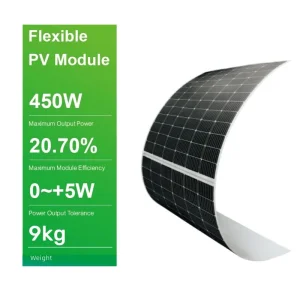
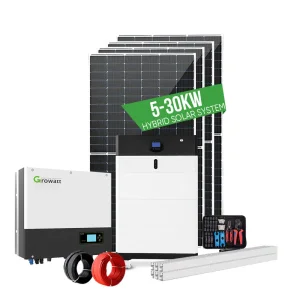
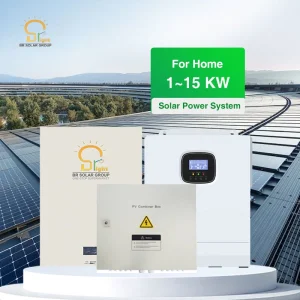
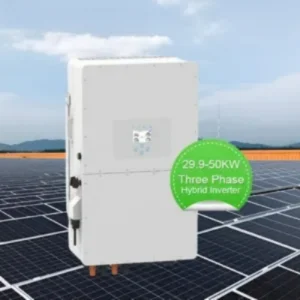
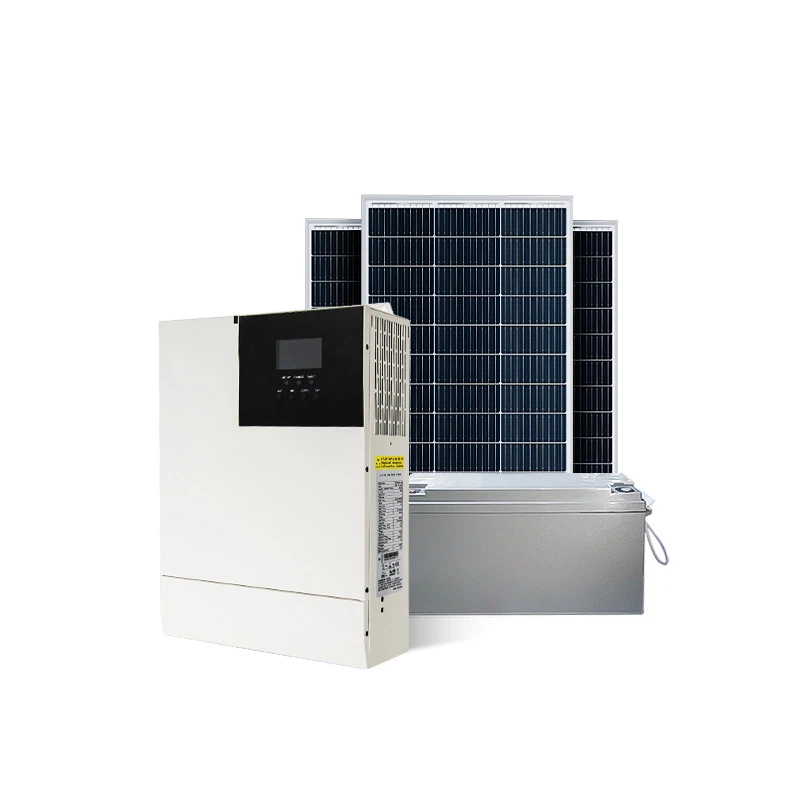
Our solutions integrate solar generation, energy storage, and smart load management. By coupling high-output N-Type bifacial solar panels with multi-phase hybrid inverters, commercial facilities can minimize utility demand charges, offset carbon footprints, and establish reliable backup power capabilities.
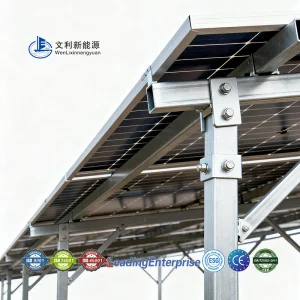
Specially engineered structures and bifacial modules are designed for dual-use agricultural systems. High-transmittance double-glass panels optimize light absorption on both sides while providing shade protection for crops. Structural designs are adapted to handle varying wind speeds and snow loads.
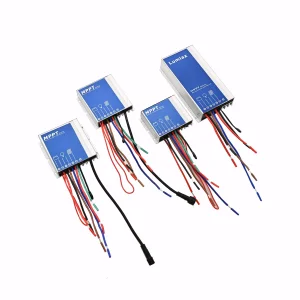
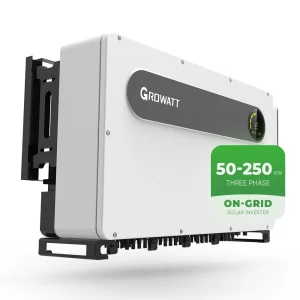
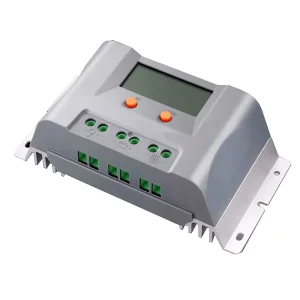
For large-scale utility projects, we supply high-capacity mono-crystalline panels, industrial-grade MPPT charge controllers, and centralized inverters. These components are designed to interface with grid-scale storage systems, providing grid stabilization features such as frequency regulation and reactive power compensation.
Our primary technology initiative focuses on integrating solar power generation, stationary energy storage, and electric vehicle charging infrastructure into a single, cohesive network. This integrated approach allows commercial and utility operators to manage local grids, optimize power distribution, and mitigate peak consumption charges.
By utilizing centralized energy management systems (EMS) alongside Virtual Power Plant (VPP) technology, our systems can aggregate distributed battery capacities. This capability helps support grid stability during high-demand periods and allows operators to participate in local energy markets.
Our R&D roadmap focuses on improving efficiency metrics and system lifetimes. We are currently developing next-generation N-type cell designs to reduce annual degradation rates, smart inverter topologies with silicon carbide (SiC) semiconductors, and liquid-cooled energy storage cabinets to improve safety and thermal performance.
Ensuring compliance, quality control, and reliable delivery for international projects.
All products undergo testing to meet global standards. We maintain active compliance certifications including CSA (for North America), TUV, CE, RoHS, and local grid codes, allowing for straightforward integration into regional projects.
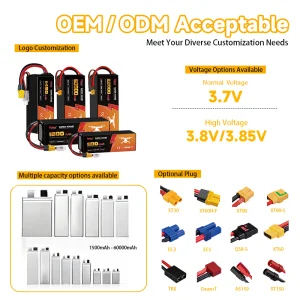
We work with established logistics partners to handle raw materials and finished products. For lithium batteries, we utilize specialized shipping containers and follow international safety standards for hazardous goods transit.
Our OEM/ODM services provide mechanical, electrical, and firmware customization. We supply customized mounting rails, modified battery enclosures, and custom firmware configurations for grid integration.
Addressing key engineering, procurement, and regulatory questions from system integrators and distributors.
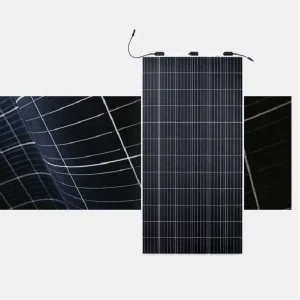
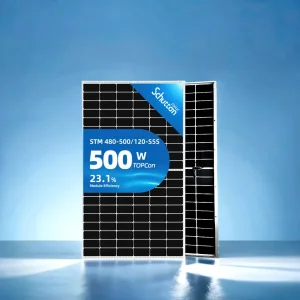
Our N-type bifacial modules feature a low temperature coefficient and minimal LID (Light Induced Degradation) compared to traditional P-type cells. They achieve high bifaciality rates, allowing the rear side of the panel to convert reflected light from the ground (albedo) into electrical energy. This design can increase overall energy yields by up to 10-30%, depending on the installation surface (such as concrete, sand, or gravel).
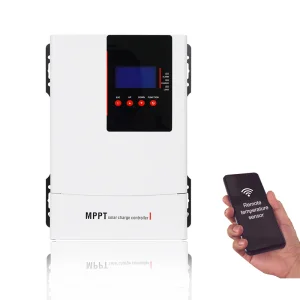
For outdoor deployment, such as solar-powered municipal lighting or remote monitoring stations, our MPPT controllers are built with IP67-rated waterproof enclosures. The internal circuitry is encapsulated in protective resins to prevent damage from humidity and temperature fluctuations. They also include integrated transient voltage surge protection to protect the connected equipment.
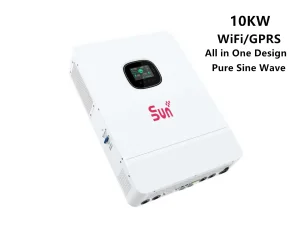
Our inverters support standard communication interfaces including Modbus RTU/TCP, CAN bus, Wi-Fi, and GPRS. This compatibility allows operators to interface with third-party SCADA systems, remote cloud monitoring platforms, and smart building energy management systems to track real-time generation, voltage levels, and thermal conditions.
All lithium-ion products are tested and certified under UN38.3 standards for air and sea transport. We package cells in fire-resistant, vibration-dampening materials and ship them using Class 9 hazardous materials logistics. Each consignment includes the necessary MSDS documentation and compliance certificates for import clearance.
Custom structural components require detailed engineering verification. The design phase, including structural load calculations, takes 1 to 2 weeks. Following approval, fabrication in our automated factories typically takes 3 to 4 weeks, depending on the scale and required surface treatments (such as hot-dip galvanization or anodization).
Yes. Our modules and enclosures are rated for temperatures ranging from -40°C to +85°C. The mechanical designs are tested to withstand mechanical loads up to 5400 Pa (snow load) and 2400 Pa (wind load), making them suitable for high-altitude, high-latitude, and coastal environments.
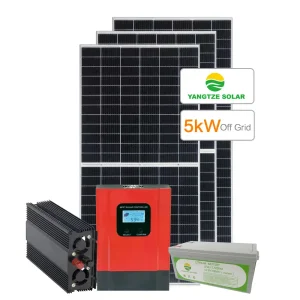
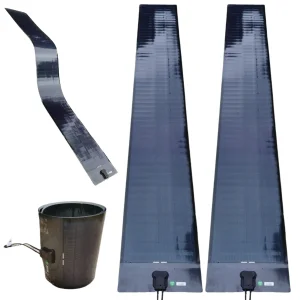
Complete off-grid configurations, advanced hybrid inverters, and flexible solar modules.