Zylo Solar
Zylo Solar
Zylo Solar
The international solar market has shifted decisively from selling individual parts to providing fully integrated clean energy ecosystems.
Integrated solutions now connect clean energy generation directly with smart grid protocols. Dynamic software platforms coordinate rooftop solar, industrial energy storage systems, and EV chargers to establish decentralized Virtual Power Plants (VPPs) that support local distribution grids.
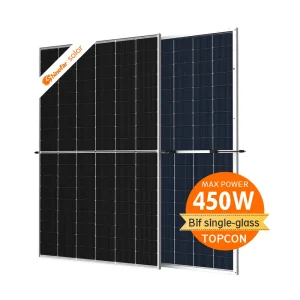
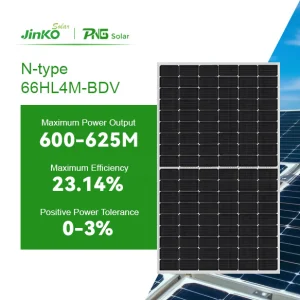
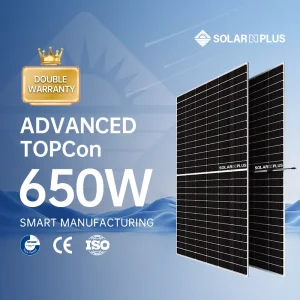
Manufacturers are transitioning rapidly to high-efficiency cell platforms. Commercial N-Type TOPCon (Tunnel Oxide Passivated Contact) and Heterojunction (HJT) technologies have exceeded 25% laboratory conversion efficiencies, setting a higher baseline performance standard for modern solar farms.
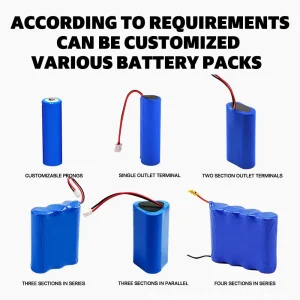
Modern applications pair solar generation with robust lithium iron phosphate (LiFePO4) storage chemistry. Intelligent battery management systems (BMS) optimize daily load curves, prevent battery degradation, and guarantee reliable back-up power for homes and facilities.
Procuring solar hardware involves careful evaluation of supply chain reliability, technological value, and compliance certifications. When purchasing agents and utility operators select manufacturers, they weigh several technical criteria:
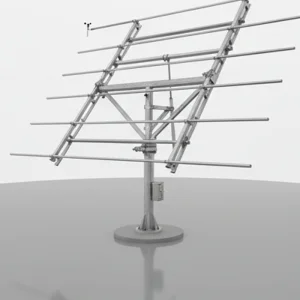
International developers design installations to lower the overall LCOE. This requires choosing modules with low temperature coefficients and high bifaciality ratings, combined with smart tracking racking structures to capture maximum sunlight across changing seasons.
Global trade regulations necessitate verifiable material supply lines. Sourcing professionals prioritize manufacturing plants that document their raw polysilicon, ingot, wafer, and assembly locations to maintain import compliance in regional markets.
Jiangsu Zylo Solar Co. Ltd., founded in 2017 in Jiangsu Province, China, is a leading global provider of innovative clean energy solutions, specializing in the research, development, manufacturing, and trading of photovoltaic modules, inverters, energy storage products, and electric vehicle (EV) charging equipment.
With a mission to accelerate the global transition to a sustainable, zero-carbon future, Jiangsu Zylo Solar is committed to delivering cutting-edge solutions across multiple sectors, including residential, commercial, industrial, and utility-scale power plants. Through project investment, system integration, product supply, and global trade, the company provides comprehensive green energy solutions.
With a strong portfolio of patents, industry accolades, and a team of experienced professionals, Jiangsu Zylo Solar strives to advance the clean energy sector and generate long-term, sustainable value for society, clients, and stakeholders worldwide.
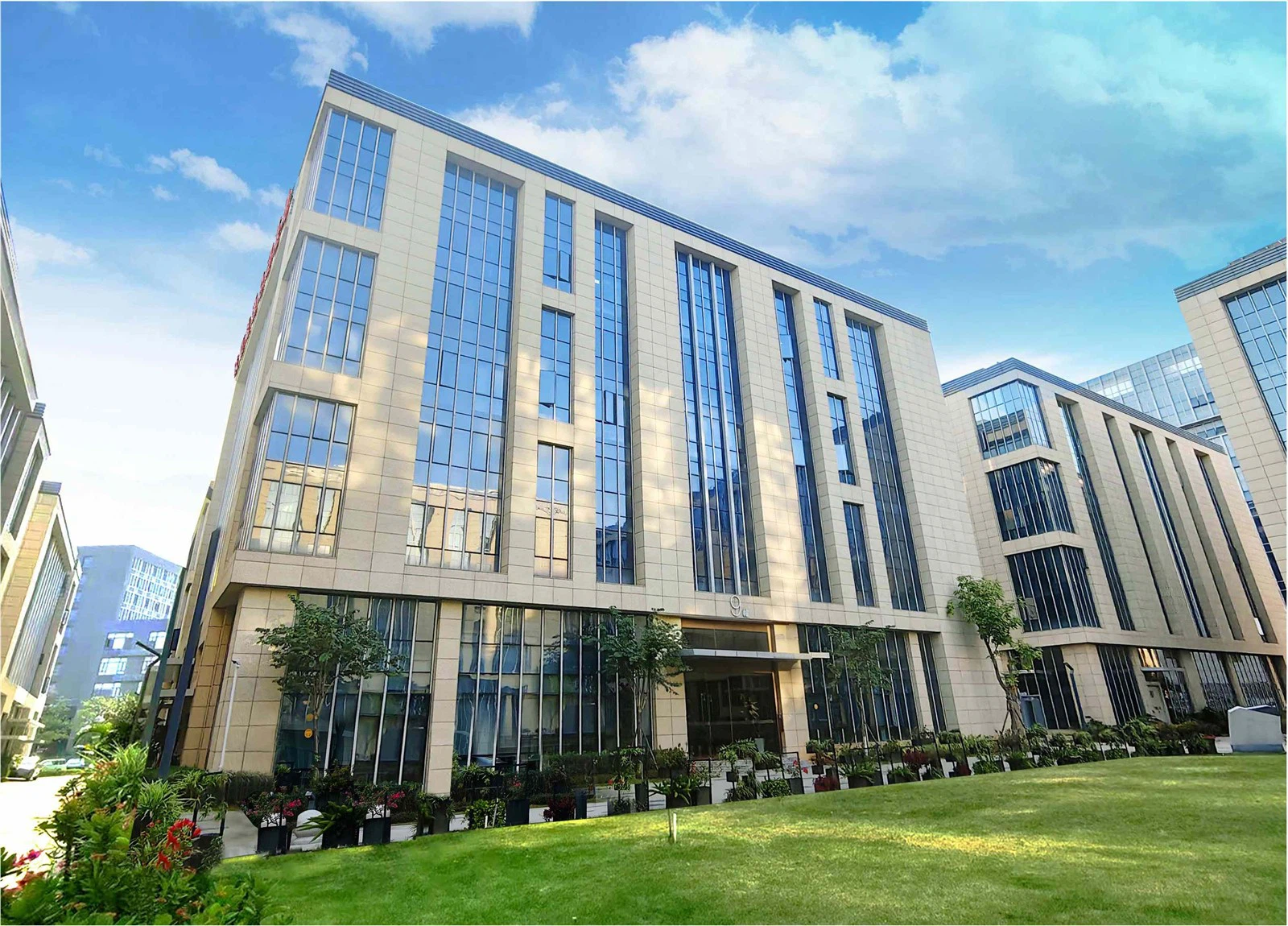
Jiangsu Zylo Solar is at the forefront of global clean energy innovation, with a robust presence across several continents. The company specializes in the research, development, manufacturing, and trade of high-performance solar panels, inverters, energy storage systems, and EV charging infrastructure. Our production operations span multiple strategic locations, with four major manufacturing bases and five power plant business centers around the world.
Our products cater to a wide range of applications, including residential, commercial, and industrial energy systems, as well as large-scale utility power plants. With an export footprint extending to over 30 countries such as the United States, Germany, Japan, and Malaysia, Jiangsu Zylo Solar has earned a reputation for delivering reliable, efficient, and sustainable energy solutions on a global scale.
At the heart of our technological advancements lies the synergistic “photovoltaic-storage-charging” ecosystem. This innovative system integrates photovoltaic (PV) inverters and energy storage systems, enabling intelligent grid management, efficient energy storage, and controlled EV charging networks. The result is a virtual power plant (VPP) that aggregates electric vehicle batteries and optimizes energy use, helping to reduce grid peak demand and improve energy storage capabilities. This technology is a key solution for addressing challenges such as urban peak electricity consumption and optimizing grid stability.
Our smart manufacturing processes are supported by cutting-edge automated production lines and digital management systems. With over 90% automation in our key production processes, we ensure the efficient and timely delivery of high-quality products.
"Empowering a sustainable future through solar energy." Jiangsu Zylo Solar is dedicated to accelerating the global energy transition by enhancing universal access to clean, renewable energy. We believe in the transformative power of solar energy and its ability to drive environmental and economic benefits, making a positive impact on communities worldwide.
At Jiangsu Zylo Solar, we offer a comprehensive portfolio of products designed to meet diverse energy needs, from individual residential applications to large-scale commercial and utility systems.
Deploying solar technology at an industrial or municipal scale requires customized, end-to-end designs that balance volatile generation profiles.
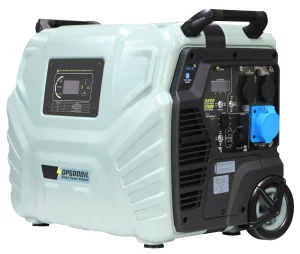
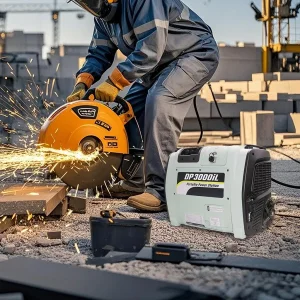
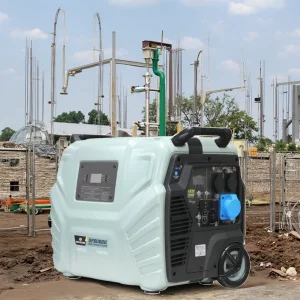
Microgrid solutions operate either tied to the local utility grid or completely isolated. They combine rooftop PV, modular battery racks, and backup gas/diesel generators, using specialized microgrid controller systems to switch inputs and prevent power disruptions during grid events.
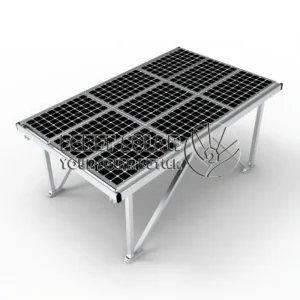
Commercial carports turn open parking lots into clean energy generators. Made with strong structural aluminum and waterproof drainage channels, these spaces protect vehicles from weather while generating energy that powers facility loads or feeds fleet EV charging docks.
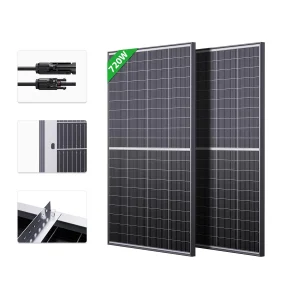
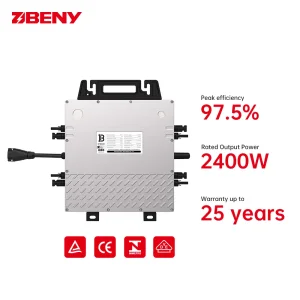
Ground-mounted installations maximize generation capacity. They use dual-glass bifacial panels, horizontal single-axis tracking systems, and central or high-power string inverters to lower the plant's overall BOS (Balance of System) costs and boost LCOE efficiency.
Selling solar equipment to major energy markets requires meeting strict safety and engineering codes. Reliable manufacturers maintain valid test certificates (such as IEC 61215, IEC 61730, UL 1703, TUV, and CE) and verify their equipment with regional grid operators to ensure smooth permitting and interconnection.
Additionally, local service offices and warehousing hubs help resolve field issues, handle warranty claims promptly, and provide technical field training for EPC installers.
Jiangsu Zylo Solar is committed to the continued advancement of clean energy technologies and the creation of an interconnected global energy network. As part of our long-term strategy, we are actively exploring innovative solutions in energy storage, smart grid management, and the expansion of the EV charging infrastructure to help pave the way for a greener and more sustainable world. With a focus on efficiency, sustainability, and global cooperation, we are proud to contribute to a cleaner, more sustainable future for generations to come.
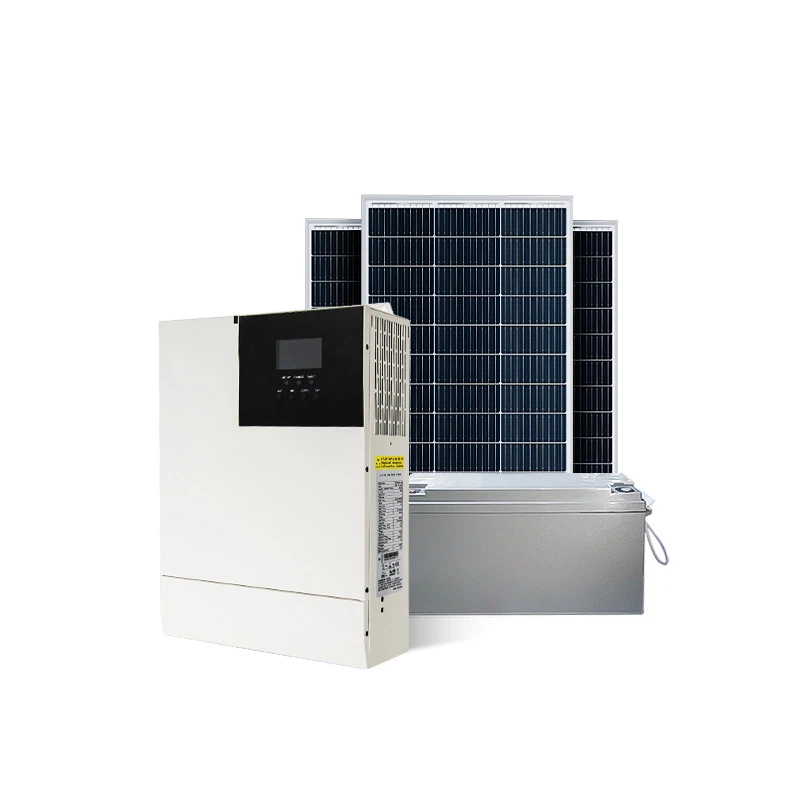
| System Type | Common Applications | Primary Tech Components | Expected Lifespan | Grid Impact |
|---|---|---|---|---|
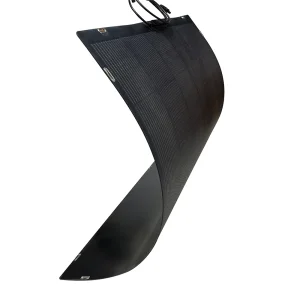
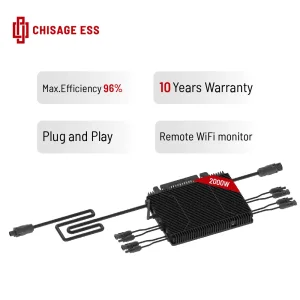
| Balcony PV Storage | Residential apartments, small homes | Microinverter, Flexible PV modules, small LiFePO4 battery pack | 15 - 25 Years | Net zero self-consumption, minimal feedback |
| Commercial Carport | Retail, Office parks, Logistics hubs | Aluminum structural mounts, Waterproof bifacial PV, C&I inverters | 25+ Years | Shaves peak building demand, supports local EV fleet charging |
| Utility Ground Plant | IPP power projects, grid injection | High-wattage N-Type panels, Single-axis trackers, Central inverter | 30 Years | Delivers wholesale power, coordinates with utility operations |
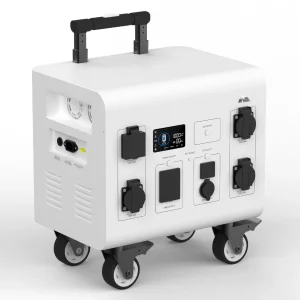
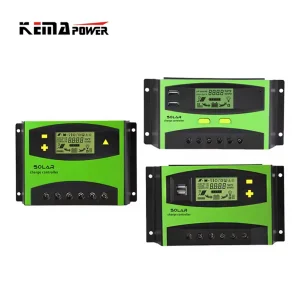
| Off-Grid Storage | Remote outposts, emergency systems | Portable/Heavy-Duty power stations, MPPT controller, foldout PV modules | 5 - 10 Years | Complete independence, zero grid dependency |
Technical answers to help buyers and system designers choose the right hardware solutions.