Zylo Solar
Zylo Solar
Zylo Solar
Explore our certified clean energy hardware portfolio. Tested and calibrated according to strict tier-1 quality control standards, ensuring maximum compliance during utility audits.
In the global transition toward decarbonization, a Solar Energy Audit functions as the fundamental benchmark for industrial, commercial, and utility-scale projects. Far from a simple site survey, a rigorous technical audit evaluates mechanical layout feasibility, micro-grid interoperability, thermal dynamics, structural integrity under regional wind loads, and battery degradation profiles. The selection of reliable manufacturing suppliers represents the difference between a high-yield, 30-year lifecycle system and one plagued by structural fatigue, component mismatch, or regulatory penalties.
Global energy developers must approach hardware procurement from an auditing perspective. When sourcing high-capacity PV systems, decision-makers must demand empirical test data detailing PID (Potential Induced Degradation) resistance, conversion efficiency thresholds under low irradiance, microinverter thermal dissipation indexes, and heavy-duty structural stability. This whitepaper analyzes the manufacturing landscape, detailing why engineering precision, system integration, and global logistics form the three pillars of risk mitigation.
Founded in 2017 in Jiangsu Province, China, Jiangsu Zylo Solar Co. Ltd. is a leading global provider of innovative clean energy solutions. We specialize in the research, development, manufacturing, and trading of premium photovoltaic modules, high-performance inverters, advanced energy storage systems, and electric vehicle (EV) charging infrastructure.
Driven by our core mission to accelerate the global transition to a sustainable, zero-carbon future, we deliver cutting-edge clean energy systems across multiple critical sectors, including residential setups, commercial enterprises, industrial plants, and utility-scale installations. By integrating engineering research, project investment, system assembly, and streamlined global trade logistics, we supply comprehensive, audit-ready energy solutions.

At the heart of our technological innovation lies our synergistic "photovoltaic-storage-charging" ecosystem. This integrated system coordinates PV generation, smart battery storage, and dynamic EV charging networks into an unified virtual power plant (VPP) architecture. The VPP technology aggregates electric vehicle batteries and optimizes consumption cycles, lowering peak load demand and grid stress while optimizing localized backup capacity.
Our advanced factories leverage digital management suites and high-precision automated manufacturing equipment. With an automation index exceeding 90% across core assembly stages, we minimize production tolerance margins. This guarantees that all manufactured PV modules, hybrid inverters, and battery storage modules exhibit absolute structural uniformity, simplifying field auditing and installation workflows.
"Empowering a sustainable future through solar energy." We strive to lower the global barrier to entry for clean energy systems. By securing IP-backed patents, optimizing supply chains, and engineering robust power hardware, we provide stable carbon-reduction mechanisms that generate long-term asset value for municipal, commercial, and utility stakeholders globally.
Partnering with a manufacturing base in Jiangsu, China, gives developers access to the world's most mature clean energy supply chain. China's solar industrial cluster is characterized by high integration density, providing structural cost and lead-time advantages that cannot be replicated elsewhere:
From raw silicon purification and ingot slicing to glass fabrication, aluminum framing, and semiconductor microchip production, all component inputs are sourced within a 200km radius. This prevents the supply chain bottlenecks that frequently delay global infrastructure projects.
Operating at gigawatt-scale production levels lowers unit costs. Combined with massive capital reinvestment into PV cell development (such as N-Type TOPCon and HJT variations), developers secure state-of-the-art power conversion technology at competitive price points.
Located close to deepwater ports like Shanghai and Ningbo, our factories ship directly to global sites. Seamless rail and sea connections ensure containerized logistics are protected, trackable, and optimized for transit times.
Industrial procurement managers, engineering firms, and utility developers must align their technical checklists with standard auditing metrics. A solar plant is only as strong as its weakest component. Below is our system layout map cross-referencing audit parameters:
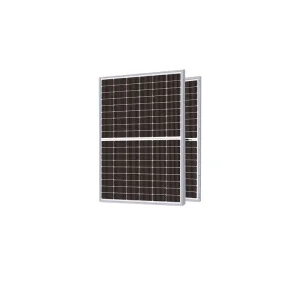
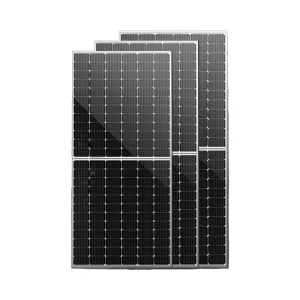
Standard audits require verifying degradation tolerances, structural load ratings, and conversion efficiency. Sourcing premium panels like the N-Type Bifacial Double-Glass Modules (600W-720W) ensures high yields via albedo absorption, while flexible modules handle structural weight limits on commercial roofs.
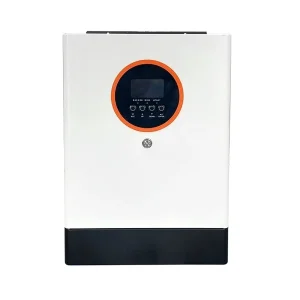
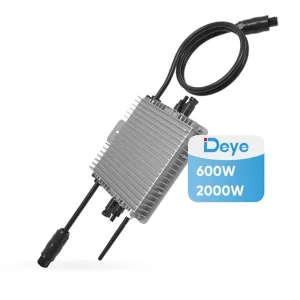
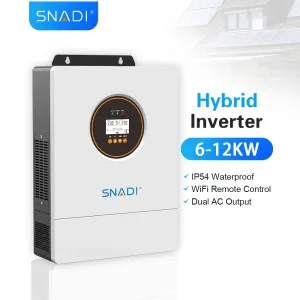
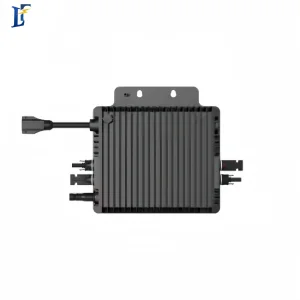
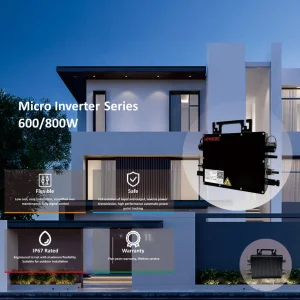
Modern distribution grids require responsive reactive power control. Sourcing inverters that support grid stabilization is critical. Our hybrid and micro-inverter lineups support active grid compliance, remote telemetry management, and rapid shutdown capabilities.
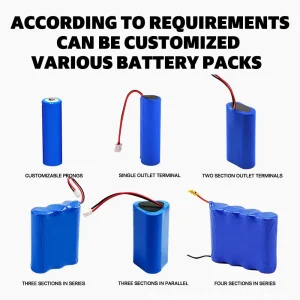
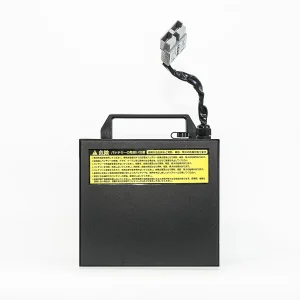
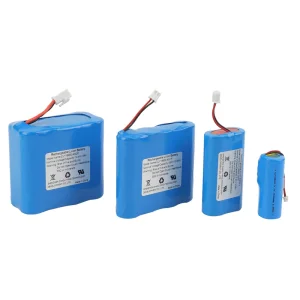
Fire safety and cycle longevity are primary audit concerns for energy storage systems. Implementing customized lithium iron phosphate (LiFePO4) battery packs ensures thermal stability, preventing thermal runaway hazards in high-demand industrial systems.
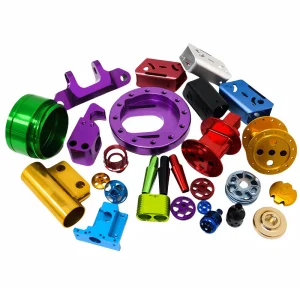
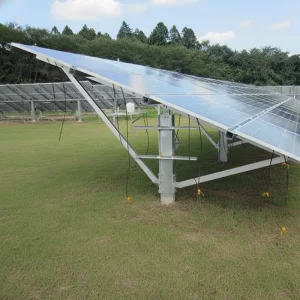
Mounting systems must withstand local seismic and wind hazards. Using hot-dip galvanized steel ground mounts and anodized AL6005-T5 brackets ensures structural compliance for 25+ years of operational life.
International solar energy deployment requires compliance with diverse grid codes and municipal safety standards. Equipment lacking local certification can cause project delays, insurance issues, or connection denials.
Requires strict compliance with UL 1741 (for inverters), UL 1973 (for battery packs), and NEC 2020/2023 Rapid Shutdown standards. Our equipment is certified to meet these safety requirements across North American jurisdictions.
Demands CE marking, RoHS environmental compliance, and CEI 0-21 / VDE-AR-N 4105 grid interconnection compliance. Our product lineup conforms to these regulatory frameworks, enabling streamlined European utility hookups.
From AS4777 in Australia to local grid codes in Japan and Southeast Asia, our team collaborates with regional EPCs. We provide pre-programmed firmware settings to match grid-voltage and utility frequency profiles out of the box.
Understanding the practical application of solar technology is crucial. Below are three common deployment scenarios showcasing how specific hardware combinations address distinct engineering challenges:
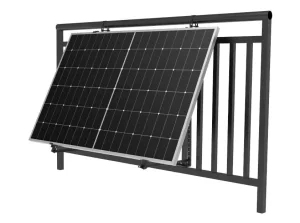
In urban European residential areas, space is limited. Sourcing flexible, lightweight monocrystalline panels paired with compact microinverters allows renters and homeowners to generate power from balconies. These systems feature plug-and-play installation without overloading lightweight structures.
Logistics hubs rely on continuous forklift operations. Transitioning material handling fleets to solar-charged lithium battery packs reduces charge times and emissions. Combined with high-efficiency hybrid inverters, facilities can charge fleets using clean energy during peak solar hours.
Desert or coastal utility-scale sites face extreme winds and corrosion. The optimal system configuration combines hot-dip galvanized steel pile structures with bifacial double-glass modules. These systems withstand physical stress while capturing ground-reflected light to maximize energy yields.
Our product catalog is structured to provide clean, reliable energy across industrial, commercial, and residential applications.
High-efficiency photovoltaic modules engineered for diverse installations, including residential rooftop PV arrays, large-scale ground-mounted power plants, and agricultural-photovoltaic systems. Designed for durability and consistent output over a long operational lifespan.
Smart, reliable inverters designed for solar power plants, commercial energy storage systems, EV charging hubs, and data centers. These systems manage power conversion and integrate with local utility grids to optimize energy distribution.
Advanced energy storage systems designed for residential, commercial, industrial, and large-scale applications. These solutions balance energy supply and demand, enhance grid stability, and optimize overall energy usage profiles.
Efficient and scalable charging solutions for public and private infrastructure. Our offerings range from home charging stations to public fast-charging networks and integrated PV-storage-charging power stations.
Jiangsu Zylo Solar is committed to the continued advancement of clean energy technologies and the creation of an interconnected global energy network. As part of our long-term strategy, we are actively exploring innovative solutions in energy storage, smart grid management, and the expansion of the EV charging infrastructure to help pave the way for a greener and more sustainable world.
With a focus on efficiency, sustainability, and global cooperation, we are proud to contribute to a cleaner, more sustainable future for generations to come. Through continuous R&D and manufacturing optimization, we deliver high-performance solar assets that meet strict international standards and perform reliably in the field.
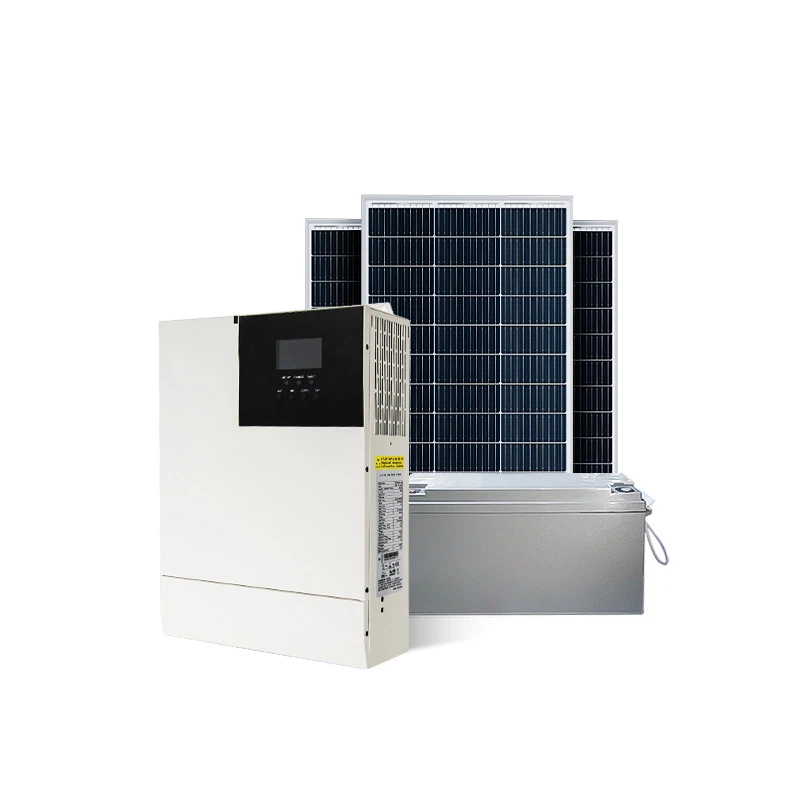
Get answers to common technical, logistics, and compliance questions regarding industrial solar equipment procurement.
Review our secondary set of certified solar hardware, components, and electronics engineered for integrated clean energy systems.