Zylo Solar
Zylo Solar
Zylo Solar
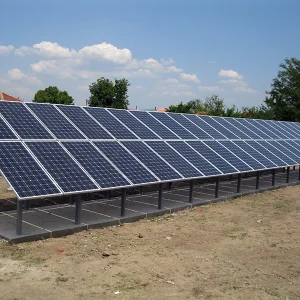
Pre-assembled, structural-grade PV ground racking solutions designed for rapid field deployment across Riga, Zemgale, and the wider Baltic territories.
Note for Structural Engineers: Latvia's National Energy and Climate Plan (NECP 2021-2030) targets a substantial expansion of PV grid injection. However, designing utility-scale structures for Northern Europe requires strict compliance with Eurocode 1 (Actions on structures - snow and wind loads) and Eurocode 3 (Design of steel structures) with local Baltic annexes.
The Baltic solar boom is accelerating. Driven by Latvia’s policy mandates for national energy independence and structural diversification, developers are moving aggressively toward multi-megawatt ground-mounted installations. However, Northern European geography presents specific engineering constraints that render standard commercial PV mounts obsolete. The regional sandy soils, high water tables, and deep frost lines (often reaching depths of 1.2 to 1.5 meters during harsh winters) create significant risks of frost heave. Without rigorous, site-specific geotechnical designs, shifting soil can easily twist tracking structures, fracture PV frame alignments, and severely compromise overall energy yield.
Ground stability in Latvia is heavily dictated by glacial till, alluvial deposits, and peatlands. Our structural engineering department analyzes these elements to construct foundations that resist dynamic Baltic loads:
During the Baltic winter freeze-thaw cycles, soil moisture turns to ice lenses, expanding upwards. We utilize optimized, variable embedment depths (typically exceeding 1.8m) and heavy-duty steel profiles to counteract these lifting forces.
Calculated in accordance with EN 1991-1-4 (wind action) and EN 1991-1-3 (snow load), our systems withstand wind gusts up to 28 m/s and wet snow accumulation typical of coastal Liepāja and inner Vidzeme.
Given the proximity to the Baltic Sea, our hot-dip galvanized steel (HDG) exceeds 80 microns in thickness, guaranteeing a C4 to C5 corrosion resistance standard for over 25 years of field operational life.
By partnering directly with a top-tier Chinese manufacturer like Jiangsu Zylo Solar, project developers in Latvia bypass localized intermediary markups while gaining direct access to world-class engineering teams. Our primary goal is matching structural safety with raw material cost-efficiency, ensuring your solar assets satisfy the strict criteria of European commercial banks and underwriting firms.
Flexible foundational blueprints customizable to localized soil density, slope geometry, and local environmental parameters.
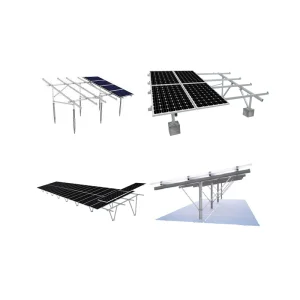
Every site in Latvia presents a distinct geological profile. Standard ground-mounted solar kits are insufficient. Our manufacturing facilities produce three main engineering archetypes designed to adapt to diverse terrains.
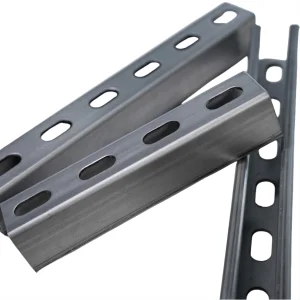
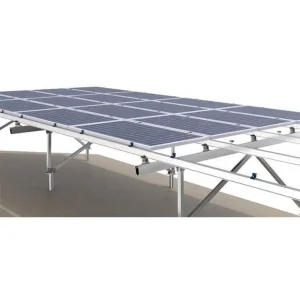
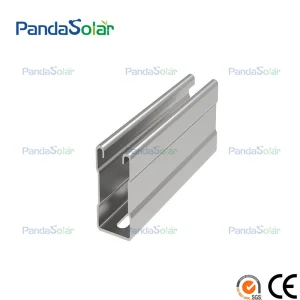
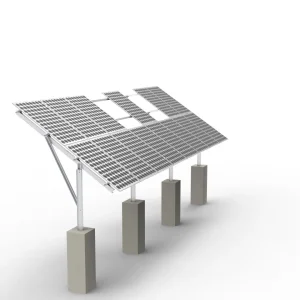
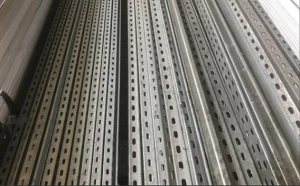
Rammed post systems represent the most cost-effective and rapid installation method for flat agricultural or industrial lands in Latvia. Using hydraulic pile drivers (such as Gayk or Orteco units), open C, U, or Sigma-shaped galvanized steel profiles are driven directly into the soil.
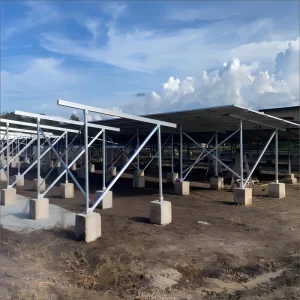
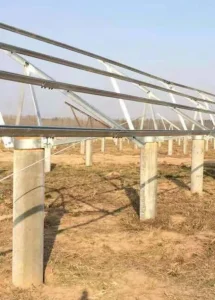
For projects situated on former landfills, rocky terrain, brownfields, or high-water-table areas (such as areas bordering the Daugava River Basin), mechanical soil penetration is either prohibited or physically impossible. Here, pre-cast concrete block structures or cast-in-situ concrete foundations provide the essential stability through dead-weight ballast.
Ground screws act like large structural anchors. They are threaded directly into the soil, creating high pull-out resistance through friction and mechanical interlocking.
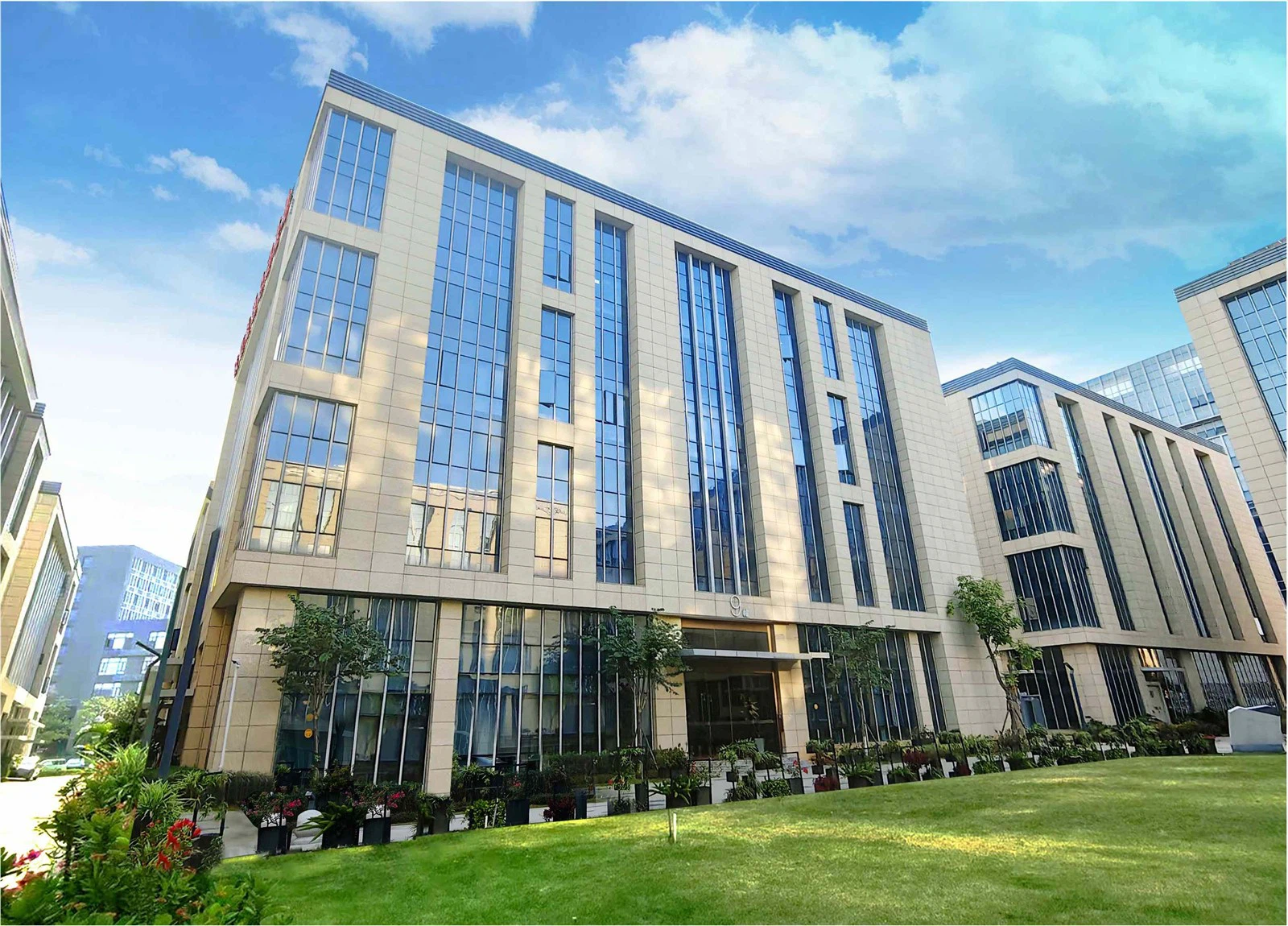
Founded in 2017 in the industrial hub of Jiangsu Province, China, Jiangsu Zylo Solar Co. Ltd. has established itself as a leading global innovator in clean energy infrastructure. We specialize in the research, development, engineering, and global export of high-efficiency photovoltaic systems, mounting structures, smart inverters, and heavy-duty energy storage systems.
Our mission is to accelerate the global transition to a sustainable, zero-carbon future. We achieve this by providing cutting-edge green energy solutions across residential, commercial, industrial, and large utility-scale sectors. Through robust project investment, advanced system integration, and highly reliable product supply networks, we deliver optimized clean energy solutions to clients worldwide.
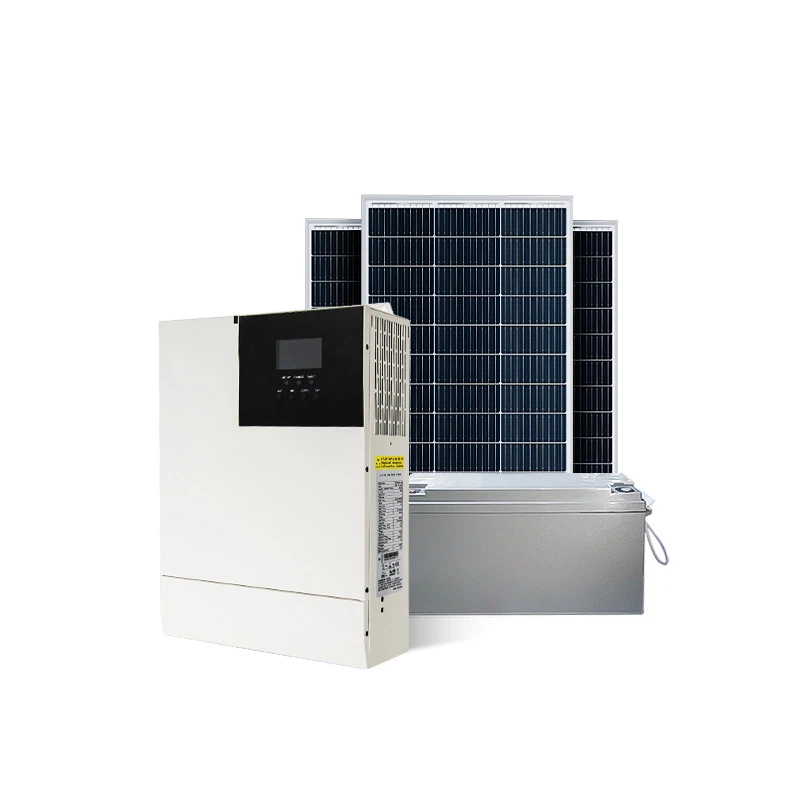
Our manufacturing ecosystem is defined by technological leadership. At the core of our technical innovation lies the synergistic "photovoltaic-storage-charging" ecosystem. This setup integrates PV inverter systems with advanced lithium-iron-phosphate (LFP) energy storage. The result is an integrated virtual power plant (VPP) capability that aggregates electric vehicle batteries and optimizes grid loads. This system helps grid operators address peak demand issues while maintaining grid stability under volatile weather conditions.
Process Automation
Exporting Countries
Global Factories
Design Life Standard
With over 90% automation in our key manufacturing processes, we guarantee high structural tolerances, precise hole punches, and uniform zinc coating thicknesses. This focus on manufacturing precision ensures that Zylo mounting structures install easily in the field, reducing labor costs and eliminating the need for onsite modifications.
Streamlined ocean shipping and Baltic customs clearance to ensure on-time delivery for utility-scale developments.
Large-scale solar installations require tight construction timelines. Any delay in mounting structures stalls the entire project, incurring significant financing penalties. Jiangsu Zylo Solar mitigates supply chain risks through vertically integrated raw material sourcing and strategic logistics partnerships.
We manage containerized shipping (40ft HQ Open Top or standard Dry Vans) directly from the Port of Shanghai and Port of Ningbo to Northern Europe. Our logistics division coordinates cargo arrivals directly with key regional ports:
All export documentation—including Mill Test Certificates, CE Declarations of Conformity, Eurocode structural calculation reports, and detailed Bill of Lading (B/L) packets—is compiled and sent to your clearing agents in advance. This thorough documentation ensures quick customs clearance and avoids port storage fees.
Explore our field-tested mounting structures, ranging from high-strength carbon steel to marine-grade aluminum systems.
Crucial technical answers regarding ground-mounted solar planning, geotechnical compliance, and Baltic procurement logistics.
In accordance with ISO 1461, we recommend a hot-dip galvanized (HDG) coating with an average thickness of at least 80 to 85 microns. For projects located within 10 km of the coastline (e.g., Liepāja, Ventspils), which are classified as C4 or C5 corrosive environments, we offer customized coating runs up to 100+ microns. This provides long-term corrosion protection and prevents red rust for over 25 years.
Frost heave occurs when freezing water expands in silty or clay soils, pushing shallow foundations upward. To prevent this, we calculate localized frost lines (often reaching depths of 1.2m to 1.5m in Latvia) and design our rammed piles or ground screws to penetrate 1.8m to 2.4m deep. By anchoring below the active frost line, we ensure the structural assembly remains stable and aligned during freeze-thaw cycles.
Yes. All structural designs and load calculations are conducted in accordance with EN 1991 (Actions on structures - wind and snow loads) and EN 1993 (Design of steel structures). Upon request, we provide full structural engineering calculation reports signed by certified engineers to support your local building permit process and satisfy grid operator requirements.
Our typical production lead time is 15 to 21 days, depending on order volume and structural customization. Ocean transit from major Chinese ports (Shanghai/Ningbo) to the Port of Riga or Port of Ventspils takes approximately 35 to 45 days. We recommend allocating 8 weeks from order placement to site arrival to ensure a smooth construction timeline.
Yes. Our ground-mount structures are fully compatible with large-format bifacial PV modules (e.g., 210mm or 182mm wafer sizes, 550W to 700W+). We design our racking systems to minimize backside shading by optimizing crossbar spacing and purlin designs. This maximizes rear-side albedo energy gain, which is highly beneficial in snow-covered winter conditions.