Zylo Solar
Zylo Solar
Zylo Solar
As the world pivots toward net-zero targets, solar photovoltaic (PV) systems have transitioned from alternative energy solutions to the cornerstone of the global electrification strategy. Driven by efficiency breakthroughs and robust supply chain networks, developers, engineers, and distributors demand high-reliability, long-lasting materials.
The industrial landscape is rapidly transitioning from p-type PERC cells to n-type technologies (including TOPCon and Heterojunction - HJT). These advancements offer significantly lower degradation rates, exceptional bifaciality, and superior temperature coefficients, yielding higher lifetime power generation.
Decentralized energy distribution requires hybrid architectures where PV generation, battery storage, and dynamic EV charging interact in real-time. Dynamic software platforms orchestrate power flows to mitigate peak grid reliance and enhance site resilience.
Geopolitical challenges and policy-driven compliance require localized supply chains and multi-country operational redundancy. Top tier manufacturers must maintain high traceability standardizations for all raw materials, from quartz mining to modular lamination.
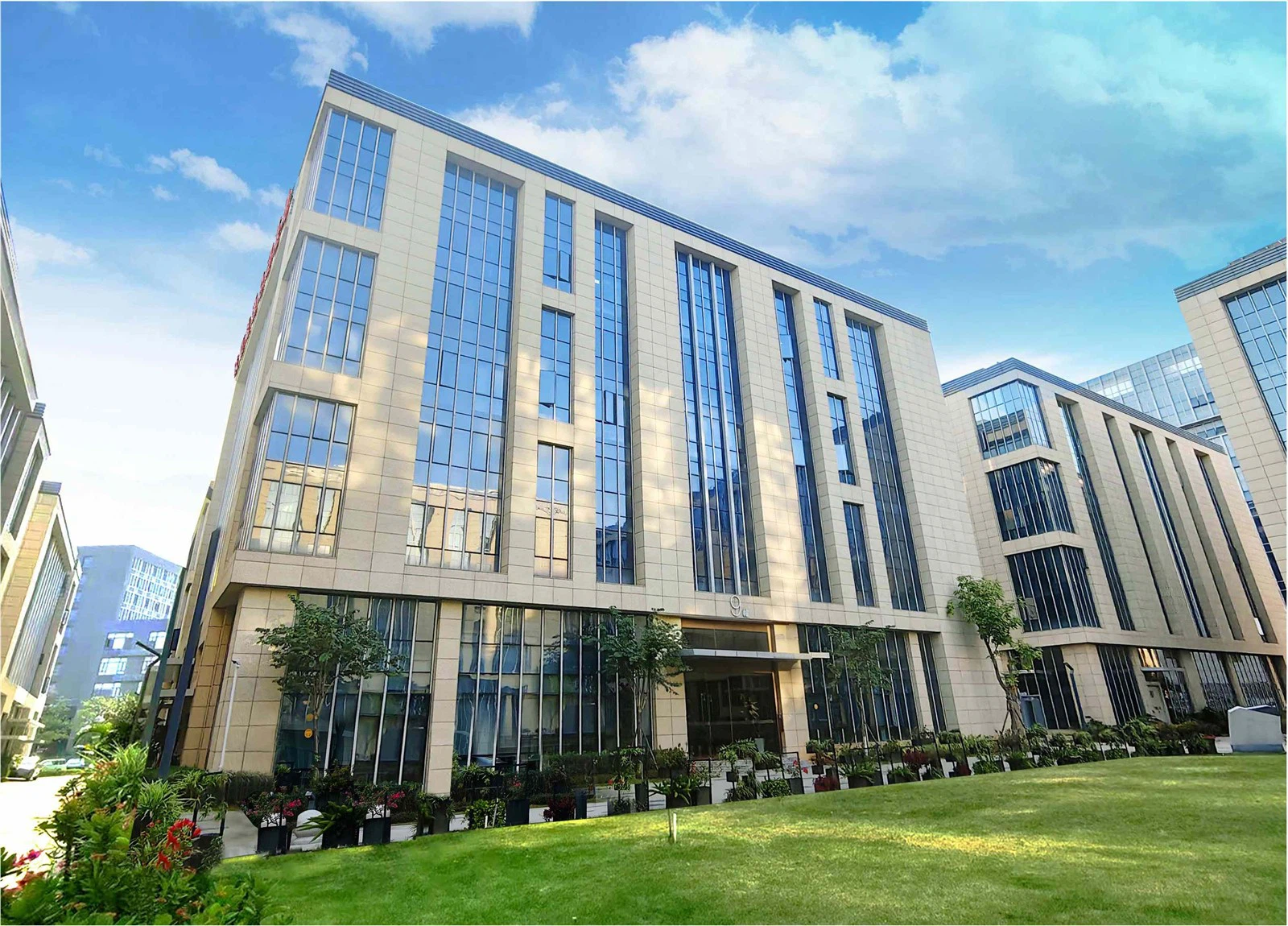
Founded in 2017 in Jiangsu Province, China, Jiangsu Zylo Solar Co. Ltd. is a leading global provider of innovative clean energy solutions. The enterprise specializes in the research, development, manufacturing, and trading of premium photovoltaic modules, grid-tied and hybrid inverters, advanced energy storage systems, and electric vehicle (EV) charging equipment.
With a mission to accelerate the global transition to a sustainable, zero-carbon future, Jiangsu Zylo Solar is committed to delivering cutting-edge solutions across multiple sectors, including residential, commercial, industrial, and utility-scale power plants. Through project investment, system integration, product supply, and global trade, the company provides comprehensive green energy solutions.
With a strong portfolio of patents, industry accolades, and a team of experienced professionals, Jiangsu Zylo Solar strives to advance the clean energy sector and generate long-term, sustainable value for society, clients, and stakeholders worldwide.
Established In Jiangsu
Exporting Nations
Factory Automation
Production & Biz Centers
Modern energy projects require consistency. Variations in cell configuration, solder quality, or frame sealing can lead to micro-cracks, hot spots, and accelerated module degradation. Jiangsu Zylo Solar implements Industry 4.0 standards across all production bases.
We trace our materials from raw polysilicon sourcing to delivery. This comprehensive tracking ensures compliance with import regulations in North America and Europe, providing transparent documentation of material origins.
Every module undergoes double Electroluminescence (EL) testing—prior to lamination and post-framing. This diagnostic step detects hidden micro-cracks and cell misalignments, ensuring that only high-integrity modules leave our facilities.
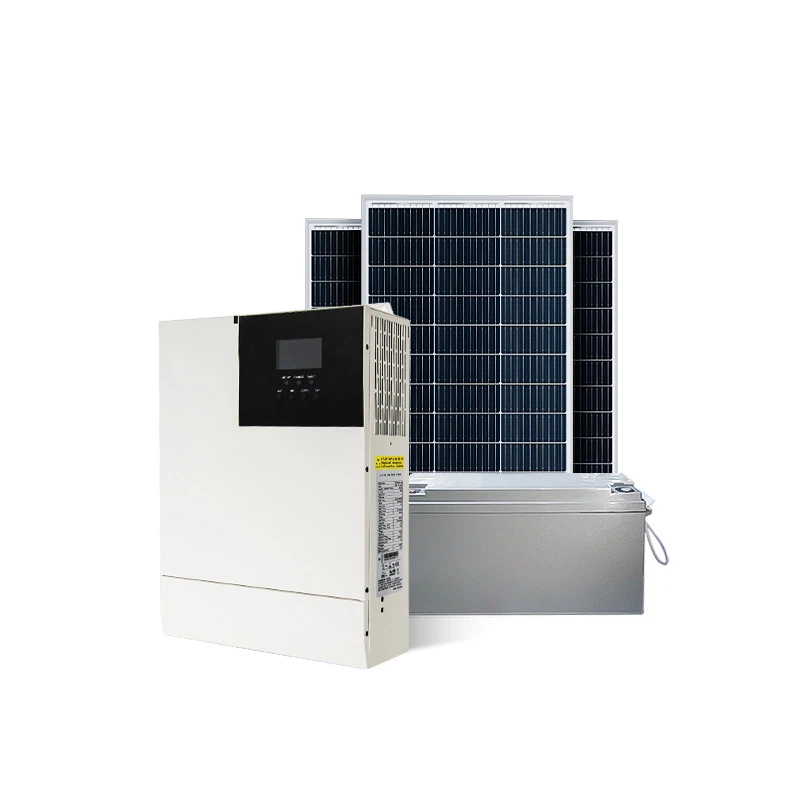
The modern energy transition extends beyond generating power; it is about intelligent distribution. At the heart of our technological advancements lies the synergistic "photovoltaic-storage-charging" ecosystem. This innovative system integrates photovoltaic (PV) inverters and energy storage systems, enabling intelligent grid management, efficient energy storage, and controlled EV charging networks.
By combining high-efficiency generation with local storage, our setups function as a Virtual Power Plant (VPP). These systems aggregate electric vehicle batteries and optimize energy use, helping to reduce grid peak demand and improve overall storage capabilities.
For commercial and industrial operators, this technology is key to addressing urban peak electricity demand, reducing dynamic demand charges, and maintaining continuous, off-grid backup during regional power events.
Every solar installation requires specialized design. Environmental conditions dictate specific component selections, from marine environments to high-load vehicle structures.
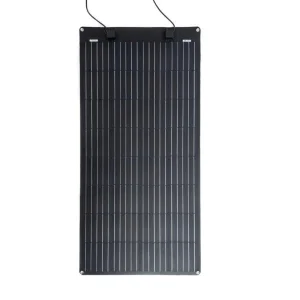
Coastal and maritime installations require materials that can withstand salt corrosion, moisture, and high winds. Our walkable, anti-slippery semi-flexible solar panels are designed with ETFE layers, providing reliable performance for yachts, marine vessels, and riverside projects.
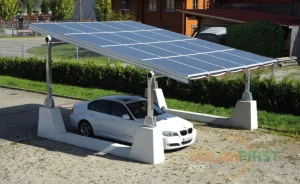
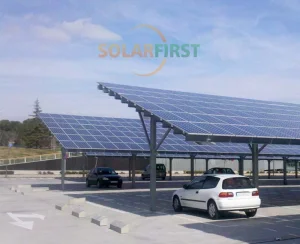
Parking spaces can be converted into active power sources. Using anodized 6005-T5 structural aluminum mounting systems, we create durable carport arrays that generate electricity while providing vehicle shelter.
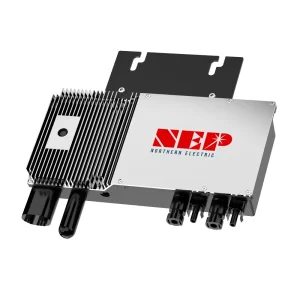
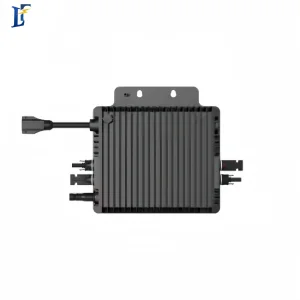
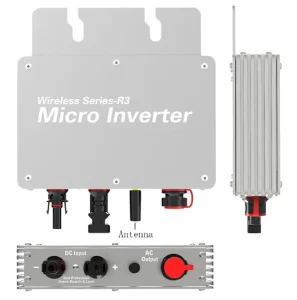
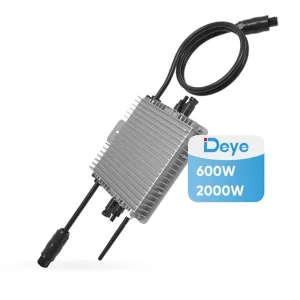
For homes and urban spaces, balcony solar setups utilizing micro-inverters offer a practical way to generate power locally. These systems feature smart cooling to optimize performance in confined, warm spaces.
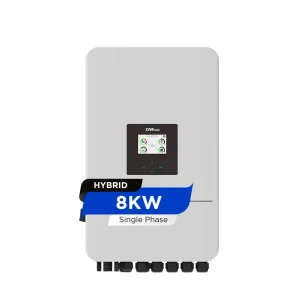
Jiangsu Zylo Solar designs and manufactures an integrated suite of energy hardware. This portfolio is engineered to work together, ensuring compatibility and stable operation.
We address common technical, regulatory, and logistical questions raised by global EPC contractors, project designers, and distributors during procurement.
Weather resilience is verified by specific testing certifications. Modules must meet IEC 61215 and IEC 61730 testing standards, which evaluate mechanical load capacity (typically 5400 Pa front load for snow and 2400 Pa back load for wind). Additionally, salt mist (IEC 61701) and ammonia corrosion (IEC 62716) certifications are required for marine and agricultural applications. A low temperature coefficient ensures output remains stable at higher operating temperatures.
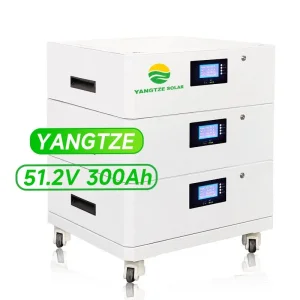
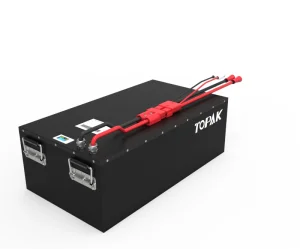
Lithium Iron Phosphate (LiFePO4) offers significant advantages for stationary energy storage systems (ESS). It is chemically stable, virtually eliminating the risk of thermal runaway. It also supports over 6,000 cycles at an 80% Depth of Discharge (DoD), providing a long service life. This durability ensures a lower Levelized Cost of Storage (LCOS) compared to alternative lithium chemistries.
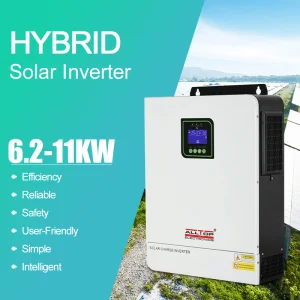
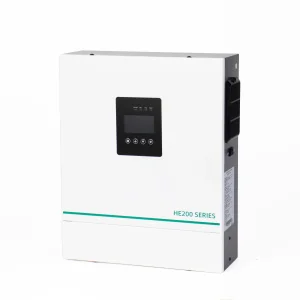
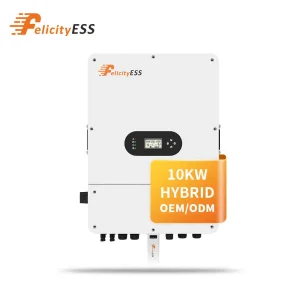
Microinverters perform MPPT optimization at the individual panel level, preventing shaded panels from reducing the output of the entire string. They are ideal for complex rooftops, marine setups, and installations with variable shading. Hybrid string inverters, on the other hand, consolidate power conversion and battery management into a single unit, making them a cost-effective choice for larger, uniform arrays.
An integrated system improves efficiency by reducing conversion losses. Instead of converting DC solar power to AC and back to DC for batteries or EVs, integrated architectures manage power distribution dynamically. This design optimizes self-consumption, provides reliable backup power, and reduces utility demand charges during peak periods.