Zylo Solar
Zylo Solar
Zylo Solar
Pre-engineered hardware configurations optimized for durability and low-overhead operational maintenance
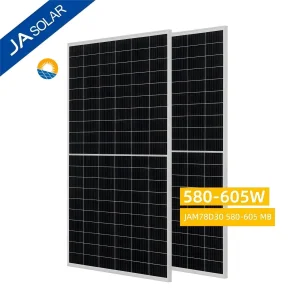
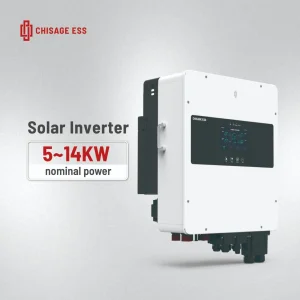
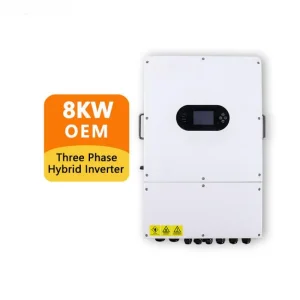
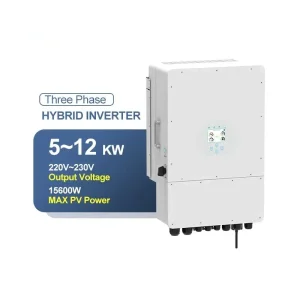
Addressing Levelized Cost of Energy (LCOE) through advanced maintenance practices and equipment selection
In the global race to decarbonization, the physical integrity and performance retention of utility-scale, commercial, and residential solar assets are the primary drivers of long-term Return on Investment (ROI). Standard operational degradation model forecasts suggest a baseline power loss rate of 0.5% to 0.8% annually. However, without optimized, systematically executed maintenance strategies and premium structural designs, environmental exposure—ranging from dust soiling and localized thermal hotspots to structural micro-cracking and electrical degradation—can accelerate efficiency drops by over 15% to 25% within the first five years of operation. China's top-tier manufacturers and exporters are shifting from simple component supply to establishing end-to-end operational longevity for global clean energy infrastructures.
Utilizing high-grade structural alloys, precision anodizing, and intelligent micro-inverters configured to mitigate the long-term impact of environmental factors and extreme weather events.
Integrating mechanical stress resistance modeling with electrical isolation controls. Systems are engineered in accordance with key global certifications (CE, IEC, UL) to ensure predictable degradation schedules.
Backed by strict QA testing, thermographic inspection readiness, and rapid-response parts replacement to guarantee minimal downtime during both scheduled and corrective maintenance events.
A global pioneer in integrated clean energy, system engineering, and intelligent manufacturing
Jiangsu Zylo Solar Co. Ltd., founded in 2017 in Jiangsu Province, China, is a leading global provider of innovative clean energy solutions, specializing in the research, development, manufacturing, and trading of photovoltaic modules, inverters, energy storage products, and electric vehicle (EV) charging equipment.
With a mission to accelerate the global transition to a sustainable, zero-carbon future, Jiangsu Zylo Solar is committed to delivering cutting-edge solutions across multiple sectors, including residential, commercial, industrial, and utility-scale power plants. Through project investment, system integration, product supply, and global trade, the company provides comprehensive green energy solutions.
With a strong portfolio of patents, industry accolades, and a team of experienced professionals, Jiangsu Zylo Solar strives to advance the clean energy sector and generate long-term, sustainable value for society, clients, and stakeholders worldwide. Our core mission is: "Empowering a sustainable future through solar energy." We believe in the transformative power of solar energy and its ability to drive environmental and economic benefits globally.
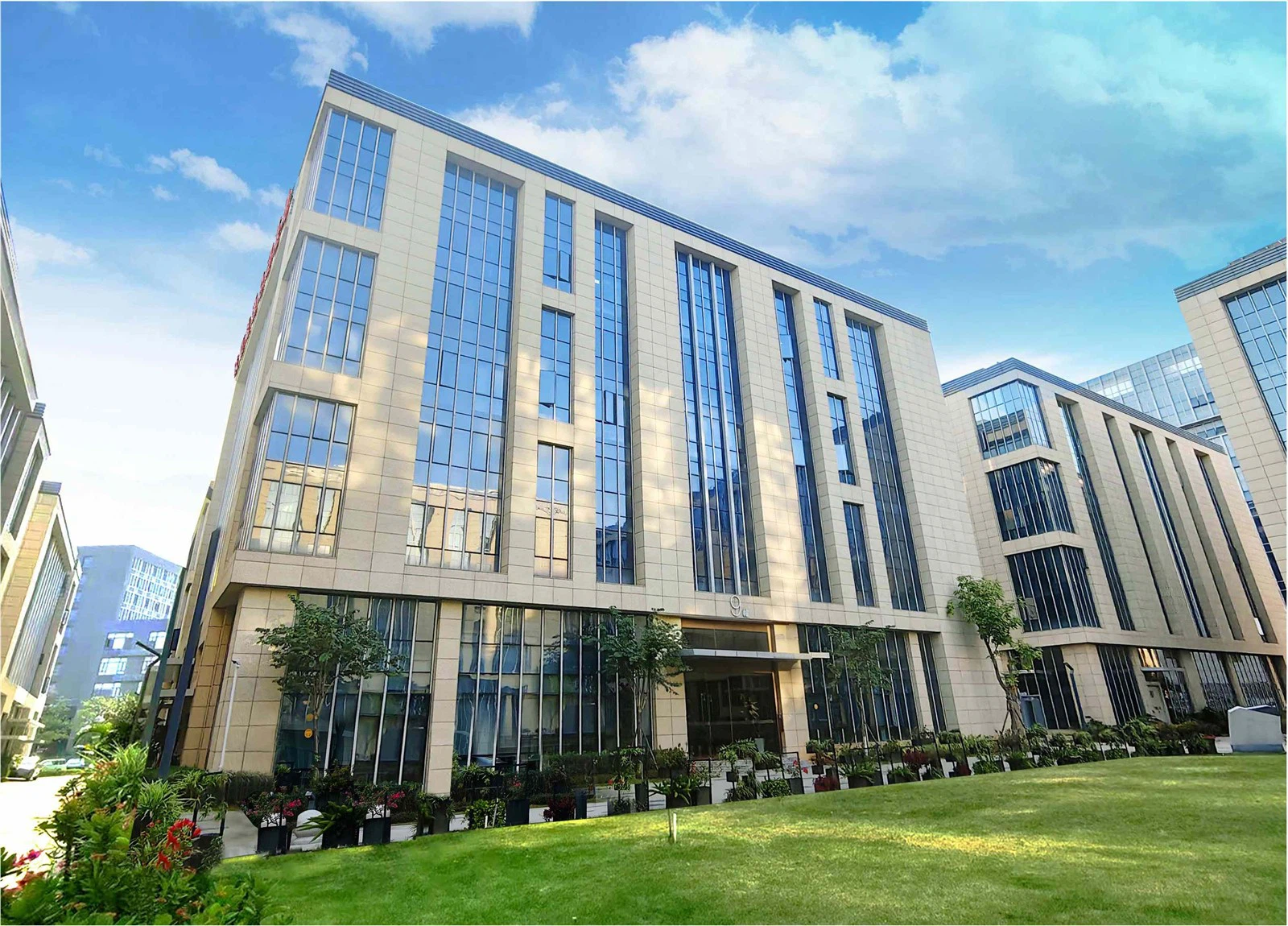
Jiangsu Zylo Solar is at the forefront of global clean energy innovation, with a robust presence across several continents. Our production operations span multiple strategic locations, with four major manufacturing bases and five power plant business centers around the world. Our smart manufacturing processes are supported by cutting-edge automated production lines and digital management systems. With over 90% automation in our key production processes, we ensure the efficient and timely delivery of high-quality products.
Our products cater to a wide range of applications, including residential, commercial, and industrial energy systems, as well as large-scale utility power plants. With an export footprint extending to over 30 countries such as the United States, Germany, Japan, and Malaysia, Jiangsu Zylo Solar has earned a reputation for delivering reliable, efficient, and sustainable energy solutions on a global scale.
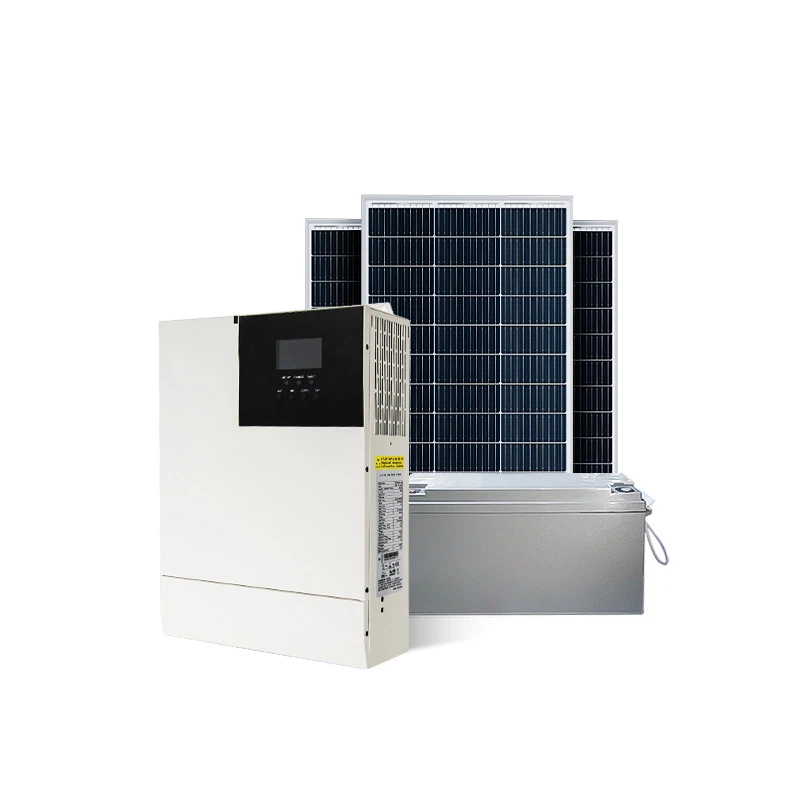
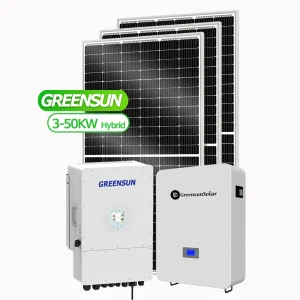
At the heart of our technological advancements lies the synergistic "photovoltaic-storage-charging" ecosystem. This innovative system integrates photovoltaic (PV) inverters and energy storage systems, enabling intelligent grid management, efficient energy storage, and controlled EV charging networks. The result is a virtual power plant (VPP) that aggregates electric vehicle batteries and optimizes energy use, helping to reduce grid peak demand and improve energy storage capabilities. This technology is a key solution for addressing challenges such as urban peak electricity consumption and optimizing grid stability.
By designing and manufacturing hardware with operational longevity in mind, Jiangsu Zylo Solar minimizes the need for frequent corrective site maintenance:
How China's industrial clustering delivers superior durability and precision engineering
By operating in key economic development zones like Jiangsu Province, companies benefit from co-located supply chains. Raw glass processing, aluminum extrusion, precision metallurgy, and silicon wafer purification occur in close geographic proximity. This minimizes logistic latency, optimizes quality control feedback loops, and reduces production costs, which are directly reinvested into robust, long-lasting maintenance equipment designs.
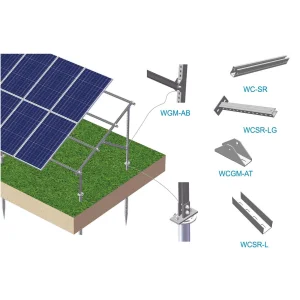
Chinese factories excel in structural metallurgy, offering C-Steel and anodized aluminum mounting configurations with hot-dip galvanized coatings exceeding 80μm in thickness. This ensures structural integrity against mechanical stress, high winds, and corrosive maritime environments, practically eliminating structural O&M overhead for 25+ years.
Leveraging over 90% automation in key assembly phases, robotic manufacturing lines integrate EL (Electroluminescence) testing, thermal scanning, and physical pressure simulations to check for micro-cracks before dispatch. This proactive QA approach eliminates defective panels at the source, preventing hot-spot developments that require costly onsite replacements.
The selection of premium structural materials dramatically impacts the long-term O&M schedule of any PV installation. The table below highlights how typical Chinese manufacturing choices reduce maintenance interventions:
| Component Group | Standard Material Choice | O&M Mitigation Effect | Expected Maintenance Cycle |
|---|---|---|---|
| Ground Racking Support | Q235B C-Steel (Hot-Dip Galvanized) | Resists soil corrosion and structural buckling under heavy wind/snow loads. | Structural inspection every 5 Years |
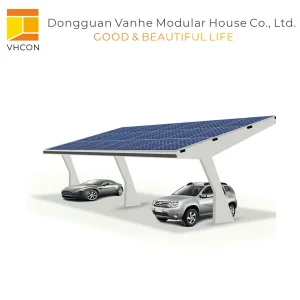
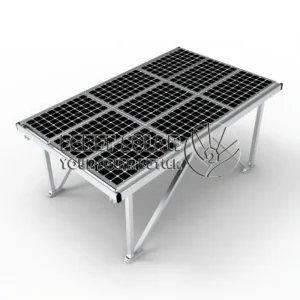
| Carport Structures | Anodized AL6005-T5 Aluminum | Corrosion-proof without paint, lightweight design prevents localized foundation settling. | Minimal inspection required |
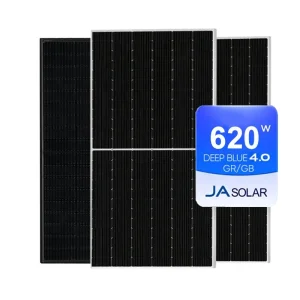
| Module Encapsulation | Dual-Glass TOPCon with Anti-Reflective Film | Resists sand erosion and PID (Potential Induced Degradation), easy-to-clean glass surface. | Rain wash or automated brush systems |
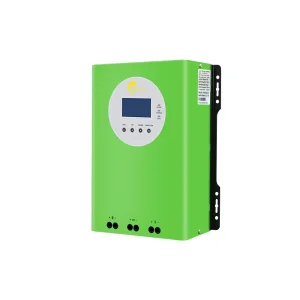
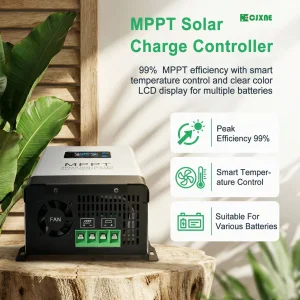
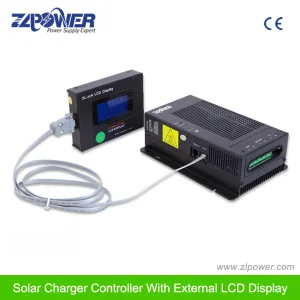
| Charge Control Components | Intelligent MPPT with Sealed Cooling Fans | Dust and moisture ingress protection (IP65/IP67) prevents electrical shorting. | Remote diagnostics check every 6 Months |
Tailoring system designs and preventative O&M schedules to distinct environmental conditions
Challenge: Soil erosion, high wind pressures, and dust deposition across large remote landscapes.
Maintenance Protocol: Integration of automated robotic dry-cleaning sweeps along rigid mounting tracks, coupled with quarterly drone thermography sweeps. Utilizing C-Steel structural mounts prevents shifting, which could cause tracker mechanical faults.
Challenge: Acid rain, industrial particulate buildup, and high thermal loads from surrounding roof surfaces.
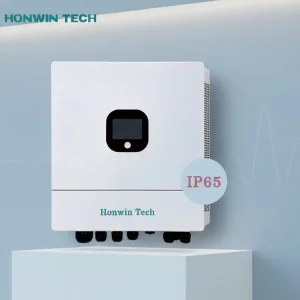
Maintenance Protocol: Implementing micro-inverter monitoring systems to locate micro-shading issues. Regular mechanical inspections of aluminum anchors are recommended to ensure roof waterproofing seals remain intact.
Challenge: Lack of professional O&M personnel, reliance on lead-acid or lithium battery storage, and dynamic load patterns.
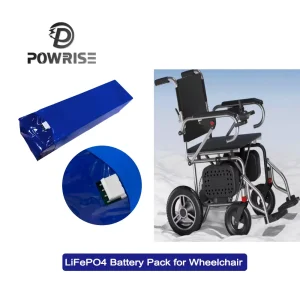
Maintenance Protocol: Leveraging smart MPPT controllers with LCD/WiFi links to auto-report system health, ensuring correct SoC (State of Charge) ranges, and avoiding over-discharge of lithium batteries.
When sourcing solar infrastructure, inverters, and mounting systems from China, global procurement managers must evaluate several technical criteria to ensure minimum maintenance overhead:
The transition toward smart, self-healing, and decentralized solar energy assets
The solar industry is undergoing a transition from manual, reactive maintenance models to automated, predictive, and digital-first paradigms. This evolution is driven by the decreasing costs of sensing technologies, AI analytics, and advanced materials engineering. As a forward-thinking provider, Jiangsu Zylo Solar is committed to the continued advancement of clean energy technologies and the creation of an interconnected global energy network. As part of our long-term strategy, we are actively exploring innovative solutions in energy storage, smart grid management, and the expansion of the EV charging infrastructure to help pave the way for a greener and more sustainable world. With a focus on efficiency, sustainability, and global cooperation, we are proud to contribute to a cleaner, more sustainable future for generations to come.
Expert insights on solar asset preservation, structural options, and procurement
Premium components designed for stable operation, safety, and streamlined installation O&M