 Zylo Solar
Zylo Solar
Zylo Solar
Explore our top-performing tracking configurations, heavily engineered for optimal solar capture angles and corrosive coastal resistance in Central Africa.
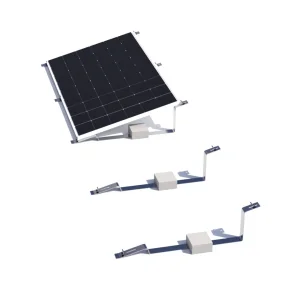
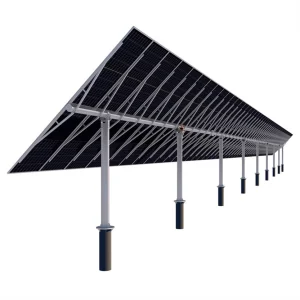
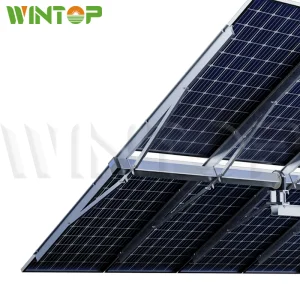
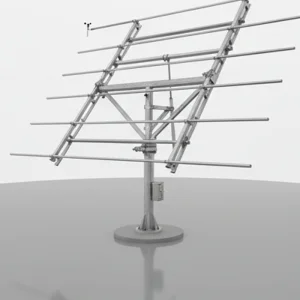
Equatorial Guinea, located within the Gulf of Guinea (latitudes 1° to 3° N), receives significant annual global horizontal irradiance (GHI). However, conventional industry thinking suggests that solar trackers are unnecessary close to the equator. As a leading manufacturer and exporter, we dispel this myth. In equatorial zones, the sun's path deviates significantly to the north and south throughout the year, with up to 23.5 degrees of tilt variation at the solstices. Furthermore, heavy morning cloud cover, high atmospheric humidity, and afternoon solar clearing create highly dynamic light distribution conditions.
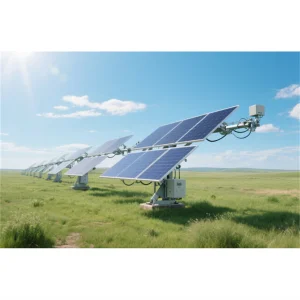
Our intelligent solar tracking systems, optimized specifically for Central African microclimates, actively compensate for these seasonal zenith shifts and maximize diffuse light absorption during overcast mornings. Incorporating advanced backtracking algorithms and intelligent solar position calculators, our trackers yield an average 15% to 25% energy output increase compared to standard fixed-tilt systems in Bata, Malabo, and Ciudad de la Paz.
Equatorial Guinea faces severe climatic challenges, including C5-M high corrosion risk, humidity levels exceeding 90%, and seasonal tropical squalls. Here is how Zylo Solar trackers are built to survive.
Our structural brackets feature premium hot-dip galvanized steel (HDG) coating exceeding 85 microns, conforming to ISO 1461 standards, alongside Zn-Al-Mg structural coatings for ultimate self-healing capabilities against saline mist corrosion on the coastlines of Bata and Luba.
Equipped with high-performance linear actuators or slew drives sealed to IP67 ingress protection standards. Drive assemblies are lubricated with synthetic low-temp/high-temp grease containing anti-moisture additives to prevent tropical humidity condensation within gearbox components.
Integrated local anemometers interface directly with the centralized tracker controllers (TCU). In the event of sudden tropical squalls, the system automatically triggers a dynamic safety stow sequence, aligning trackers horizontally within 60 seconds to minimize wind drag coefficients.
How utility developers, commercial partners, and EPC contractors in Equatorial Guinea can streamline their import and installation supply chain.
Every project has unique requirements. We deliver tailor-made solar tracking components designed to seamlessly integrate with major global PV brands (N-type, TOPCon, Bifacial panels), providing flexible layout options tailored to rugged, hilly, or flat coastal site geographies.
Our logistics team handles heavy breakbulk and container shipping from China's Jiangsu hubs directly to Port of Bata and Port of Malabo. We ensure complete documentation compliance, secure seaworthy packaging, and coordinate customs clearance procedures.
We address local technical skill shortages by offering comprehensive remote video commissioning, step-by-step 3D assembly guides, and regional service partners who can oversee mechanical leveling, sensor alignment, and PLC software calibration.
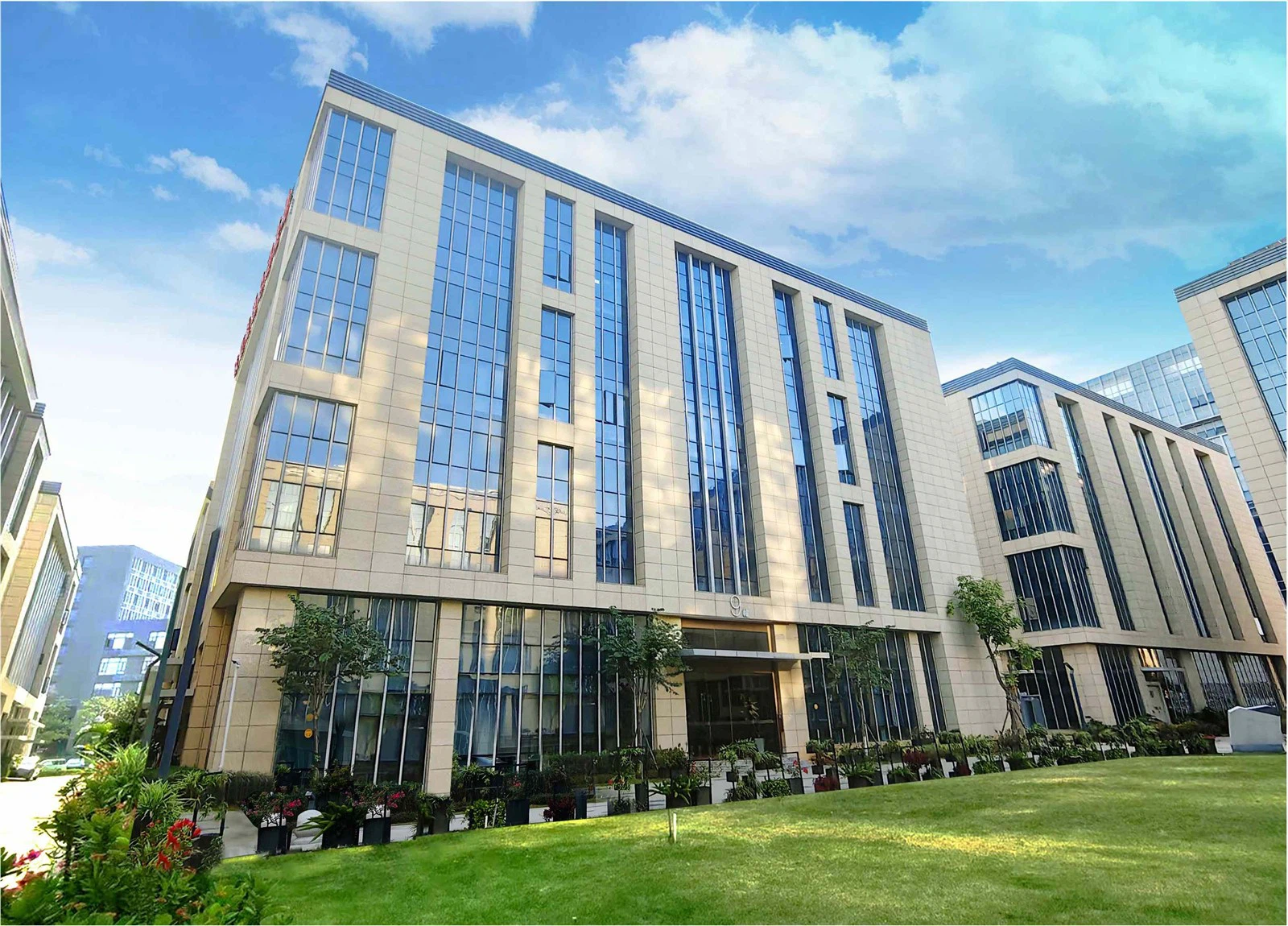
Founded in 2017 in Jiangsu Province, China, Jiangsu Zylo Solar Co. Ltd. has grown to become a leading global provider of innovative clean energy solutions. We specialize in the research, development, manufacturing, and trading of premium photovoltaic modules, smart inverters, advanced energy storage systems, and solar mounting tracking solutions.
With over 90% automation in our key production processes, we operate four state-of-the-art manufacturing bases and five global utility-scale project support hubs. By integrating smart digital monitoring and advanced structural designs, we offer complete virtual power plant (VPP) compatibility, enabling local project operators to manage solar panels, tracking systems, and battery storage under a single platform. Our commitment is to accelerate the global transition to a sustainable, zero-carbon future, delivering high-reliability equipment to over 30 countries globally, with specialized options for Equatorial Guinea and the wider Central African region.
As Equatorial Guinea targets economic diversification and energy grid stability through renewable initiatives, we are expanding our local deployment capabilities.
Our proprietary algorithm uses real-time sky cameras and astronomical tracking data to dynamically adjust tracking angles on overcast days. Instead of pointing straight at clouds, the system calculates the path that maximizes diffuse light absorption, boosting energy output by 5-8% during typical equatorial rainy seasons.
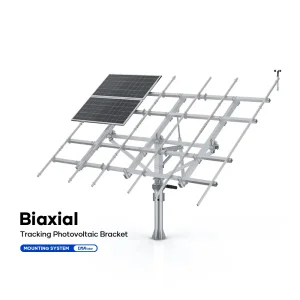
Our systems offer adjustable tilt configurations. We modify structural brackets to enable vertical tilt ranges up to ±60 degrees and horizontal sweeps optimized for near-zero latitude zones. This ensures high structural stability and prevents torsional fluttering during tropical storms.
Our tracking controllers seamlessly integrate with localized microgrid battery systems (BESS). By pairing tracking optimization with energy storage, industrial facilities in Bioko Island can achieve 95% off-grid reliability, lowering dependence on diesel generators.
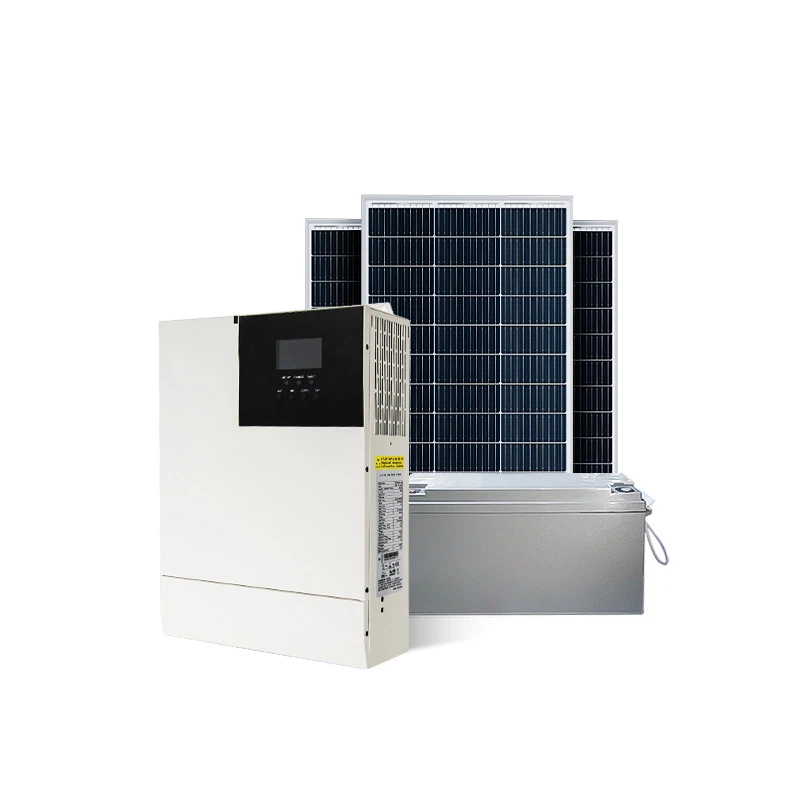
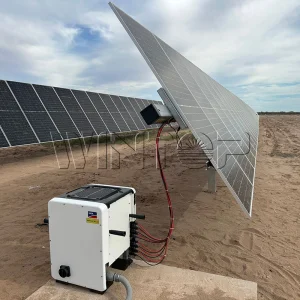
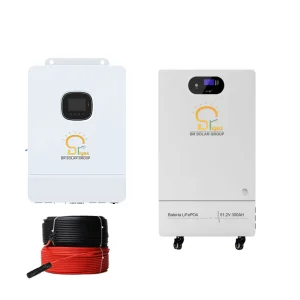
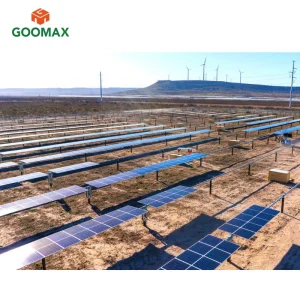
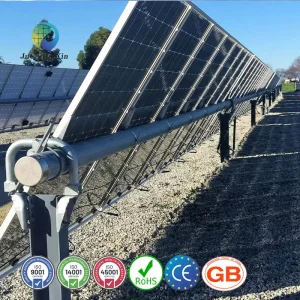
Select from our extensive line of residential, commercial, and utility-scale tracking kits and components, all fully compatible with central African environmental specifications.
Get answers to the most common technical questions concerning solar tracking integration, environmental durability, and shipping to Equatorial Guinea.
While the sun is directly overhead at noon, the solar transit angle changes significantly by up to ±23.5° over the year due to seasonal changes. Additionally, coastal areas experience thick mist and cloud cover in the morning. Fixed solar setups cannot capture late afternoon or diffuse morning rays efficiently. Smart tracking systems capture maximum sunlight throughout the year, boosting overall energy yield by up to 25% compared to static mounting systems.
Our trackers are built using structural steel with hot-dip galvanization (HDG) that exceeds 85μm in thickness (ISO 1461), coupled with zinc-aluminum-magnesium alloy elements. This gives them a highly effective self-healing barrier against corrosion. Additionally, all electronics, actuator enclosures, and sensors feature IP66/IP67 weatherproofing, protecting internal components from humidity, sand, and heavy rains.
Our solar trackers are manufactured in our automated factory in Jiangsu Province, China. The standard production lead time ranges from 30 to 45 days, depending on custom steel modifications. We ship via standard container or breakbulk cargo from Shanghai Port directly to the Port of Bata or the Port of Malabo. Typical ocean transit times to Central African ports run between 40 and 50 days.
We provide comprehensive remote engineering assistance, including full 3D layout designs, mechanical installation manuals, and PLC control system calibration videos. For large-scale utility and industrial-grade projects (5MW+), we can arrange for certified technical engineers to travel to Bata or Malabo to supervise installation, test tracking sensors, and train local operations teams.
Yes. Our trackers are optimized for modern N-type bifacial modules. Their structural design eliminates shading on the rear side of the panel, allowing rear-side light capture to generate up to an additional 12% energy yield. Our tracking control systems also integrate with local Virtual Power Plant (VPP) and Battery Energy Storage Systems (BESS) for smart power management.