Zylo Solar
Zylo Solar
Zylo Solar
Deploying state-of-the-art smart solar architecture directly into Chittagong’s industrial zones and metropolitan high-rises.
As the primary commercial port city of Bangladesh, Chittagong (Chattogram) handles over 90% of the country’s import-export trade and houses core manufacturing zones, including the Chittagong Export Processing Zone (CEPZ) and the Karnaphuli Export Processing Zone (KEPZ). However, the region’s massive industrialization is consistently challenged by utility grid instability, sudden voltage fluctuations, and strict regulatory changes concerning workplace safety.
In response, solar PV installations are scaling rapidly. Yet, conventional string inverter topologies face significant operational constraints here. Chittagong’s high maritime humidity, coastal salt mist corrosion, persistent dust from manufacturing sectors, and complex multi-pitched roofs on garment warehouses produce severe module-level mismatch and shading losses. This makes the local deployment of Module-Level Power Electronics (MLPE), particularly solar micro-inverters, an economic and technical necessity.
An engineering comparison detailing how MLPE technology resolves regional environmental and systemic grid issues.
When selecting a solar inverter topology for Chittagong's industrial or residential environments, engineers must evaluate three primary variables: safety, efficiency under partial shading, and environmental resilience.
In a standard string inverter configuration, panels are connected in series. If a single panel is shaded by surrounding coastal trees, industrial dust accumulation, or structural elements (such as HVAC units and chimneys common on Chittagong apparel factory rooftops), the performance of the entire string drops to match the lowest performing panel. Solar micro-inverters dedicate an independent Maximum Power Point Tracker (MPPT) to each panel, ensuring that power production is maximized individually. This results in a typical 15% to 25% energy yield increase in urban and industrial Chittagong settings.
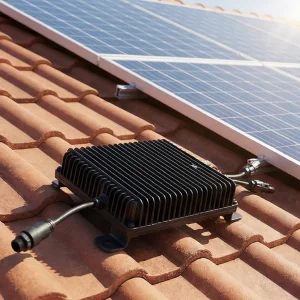
Traditional string systems generate up to 1000V DC on the rooftop, presenting severe fire risks to garment factories housing highly flammable materials. In contrast, micro-inverters convert power from DC to AC directly on the back of each panel. The maximum DC voltage remains within a safe range of 40V to 60V, compliant with rapid shutdown standards (NEC 2017/2020 Article 690.12). This compliance is highly valued by international compliance auditors assessing Bangladeshi export factories.
Chittagong experiences a tropical monsoon climate with high relative humidity levels and coastal salt-laden air. Centralized inverters placed outdoors are vulnerable to internal components degradation. Modern micro-inverters feature IP67 or IP68 cast aluminum enclosures, fully sealed with thermal potting compound, safeguarding sensitive silicon controllers from salt spray and humidity ingress.
Jiangsu Zylo Solar Co. Ltd., founded in 2017 in Jiangsu Province, China, is a leading global provider of innovative clean energy solutions, specializing in the research, development, manufacturing, and trading of photovoltaic modules, inverters, energy storage products, and electric vehicle (EV) charging equipment.
With a mission to accelerate the global transition to a sustainable, zero-carbon future, Jiangsu Zylo Solar is committed to delivering cutting-edge solutions across multiple sectors, including residential, commercial, industrial, and utility-scale power plants. Through project investment, system integration, product supply, and global trade, the company provides comprehensive green energy solutions.
With a strong portfolio of patents, industry accolades, and a team of experienced professionals, Jiangsu Zylo Solar strives to advance the clean energy sector and generate long-term, sustainable value for society, clients, and stakeholders worldwide.
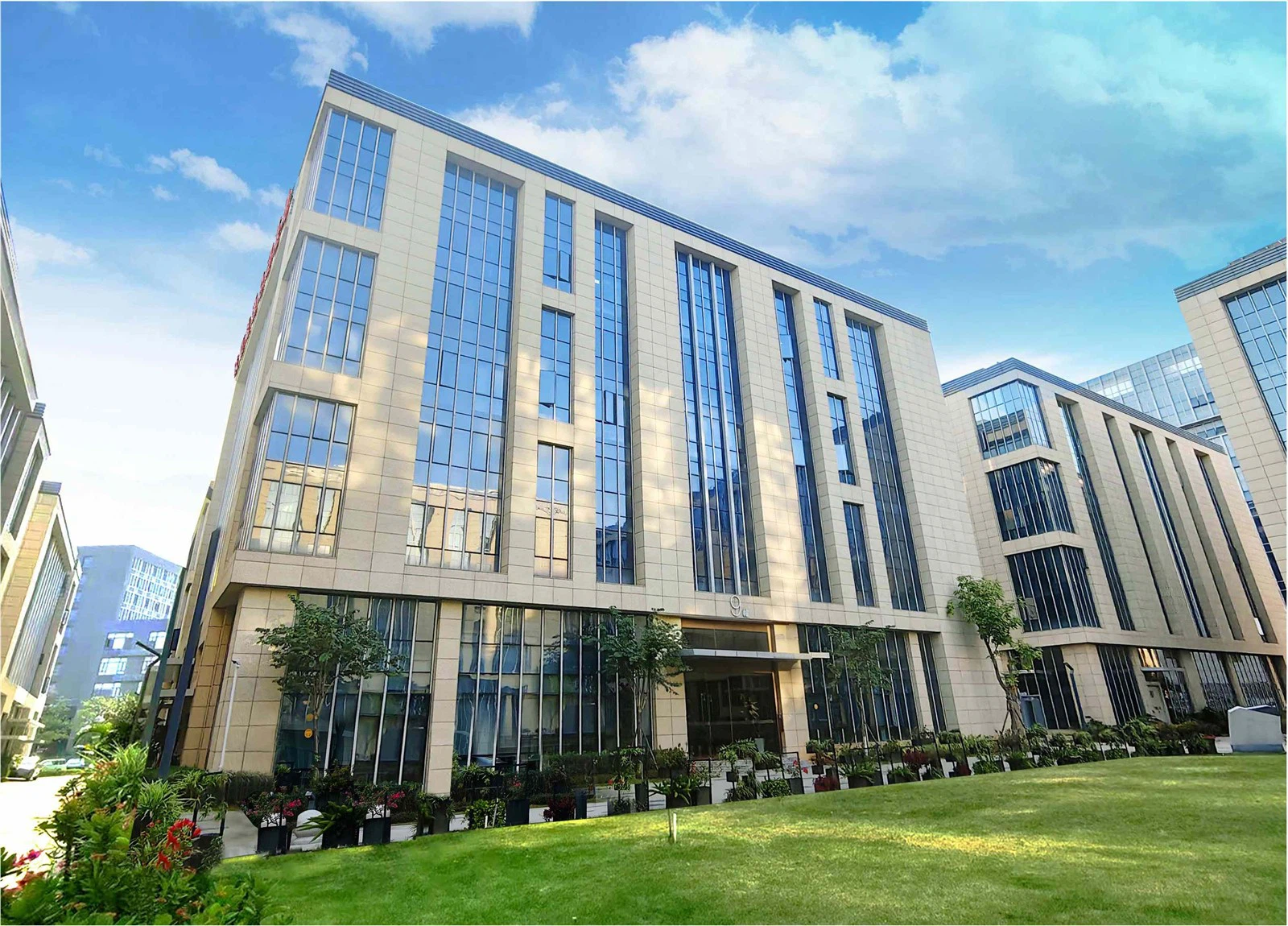
At the heart of our technological advancements lies the synergistic “photovoltaic-storage-charging” ecosystem. This innovative system integrates photovoltaic (PV) inverters and energy storage systems, enabling intelligent grid management, efficient energy storage, and controlled EV charging networks.
The result is a virtual power plant (VPP) that aggregates electric vehicle batteries and optimizes energy use, helping to reduce grid peak demand and improve energy storage capabilities. This technology is a key solution for addressing challenges such as urban peak electricity consumption and optimizing grid stability in high-density areas like Chittagong.
Specially customized for dense urban areas and harsh coastal conditions across Chittagong Port and the Export Processing Zones.
How Zylo Solar’s micro-inverter portfolio meets the operational demands of specific local installations.
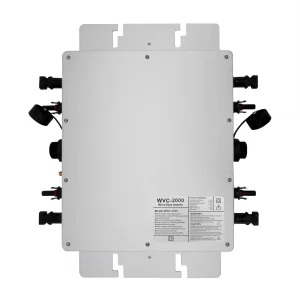
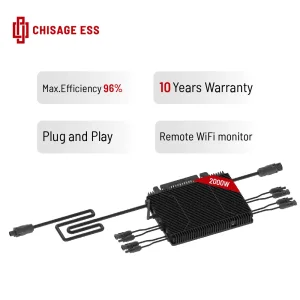
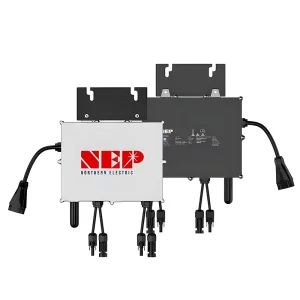
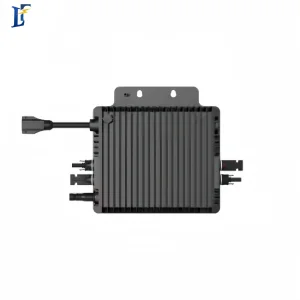
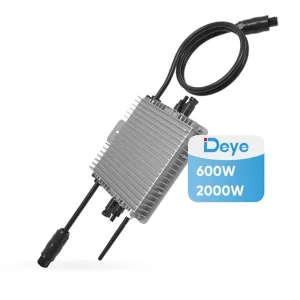
Export garment and textile mills feature large roofs that are frequently broken up by multiple gables, roof monitors, ventilators, and sky-lights. Standard string installations suffer dramatic losses in such layouts due to shading mismatch. By selecting multi-channel micro-inverters (e.g., 2000W or 2800W models), local plant managers can optimize their panel layout and achieve higher energy yield, ensuring the fast ROI required for international green manufacturing certification.
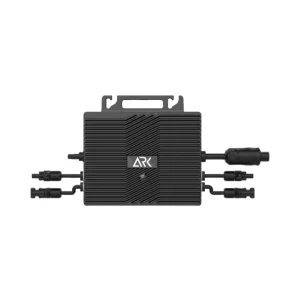
With real estate development expanding vertically in areas like Nasirabad, Halishahar, and Khulshi, residential space is increasingly limited. Balcony and small-scale rooftop PV installations are rising in popularity. The compact 600W and 800W balcony micro-inverter systems offer a plug-and-play solution that connects directly to household distribution panels, offsetting high retail electricity rates and offering reliable backup power during localized load shedding.
Industrial installations near the Port of Chittagong operate in highly corrosive marine air. String inverters placed inside warehouses can struggle with heat dissipation, while outdoor installations suffer from atmospheric salinity. Micro-inverters, with their localized modular setup and robust IP67/IP68 casings, are engineered to dissipate heat directly on the roof without active fans, maintaining structural integrity over 25+ years.
As Bangladesh scales its renewable generation target to 40% by 2041, grid operators like the Bangladesh Power Development Board (BPDB) are enforcing stricter grid-connection criteria. Grid stability, reactive power control, and dynamic grid support are becoming standard mandates.
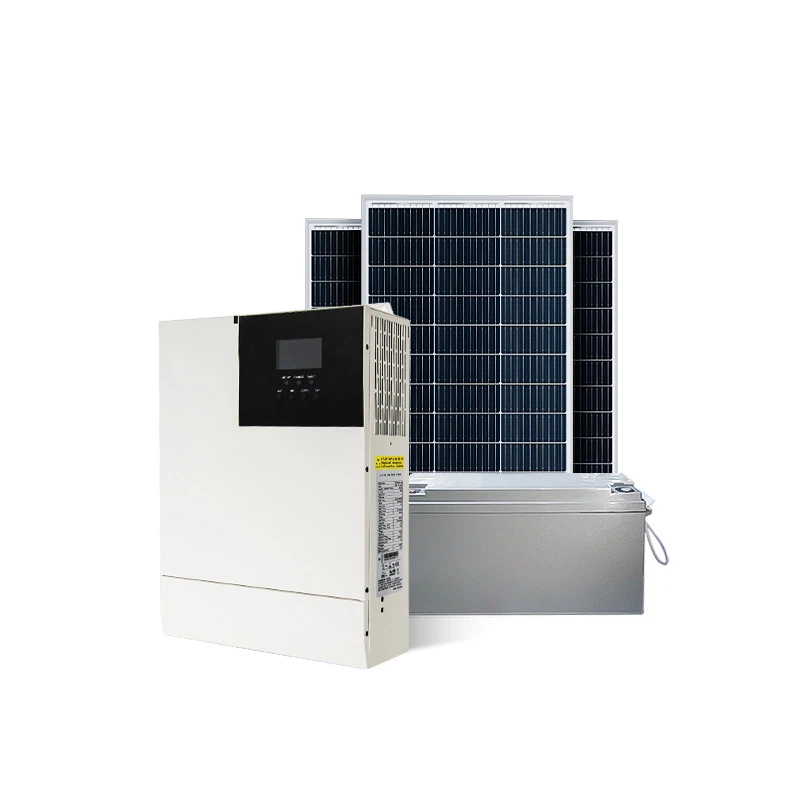
Jiangsu Zylo Solar's next-generation micro-inverters integrate directly with our advanced Energy Storage Systems (BESS) and EV Charging Infrastructure. This unified ecosystem forms a virtual power plant (VPP) that aggregates and balances distributed energy resources, reducing grid stress during peak demand periods. Our future-focused R&D guarantees that your solar system remains fully compatible with upcoming smart grid implementations and local battery storage integrations.
High-efficiency, flexible systems matching residential rooftops, industrial parks, and micro-grid designs.
Leveraging optimized supply lines, advanced smart manufacturing, and direct ocean freight routes.
Jiangsu Zylo Solar operates high-end manufacturing facilities in China. By utilizing smart automated production lines, we achieve over 90% automation in assembly, visual sorting, potting, and automated testing procedures. This limits processing defects and guarantees product reliability across massive output runs.
For our clients in Bangladesh, logistics efficiency is critical. We optimize shipping operations by utilizing direct shipping lanes from major Chinese ports directly to Chittagong Port (CTG). With local partners and warehouses in Bangladesh, we assist with customs clearance and guarantee steady, on-time delivery. We also offer onsite technical assistance, field commissioning services, and long-term warranty support.
Common questions answered by our system engineering team regarding grid compliance and localized environment challenges.
Yes, our grid-tied micro-inverters are fully certified under international standards (including IEC 61727 and IEC 62116) as required by SREDA (Sustainable and Renewable Energy Development Authority) and BPDB. Our systems feature built-in reactive power adjustment, active anti-islanding protection, and dynamic grid support parameters customizable to local distribution networks.
Our micro-inverters are engineered for a wide operating temperature range from -40°C to +85°C. With robust thermal potting compound and passive cooling fins, they maintain full output efficiency without thermal derating up to 60°C ambient rooftop temperature.
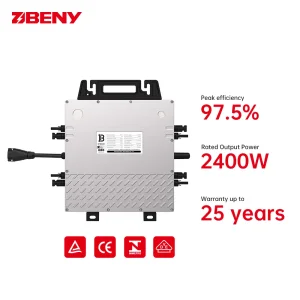
While string inverters typically have a design life of 10 to 12 years and require replacement mid-way through a PV project’s life, our premium micro-inverters are backed by a standard 12-year or 25-year warranty, matching the operational lifespan of the solar panels themselves.
Because each solar panel is connected to its own MPPT input, dust accumulation or shading on one module does not impact the output of adjacent modules. This design guarantees consistent system-wide yield, keeping your commercial arrays running at high capacity.
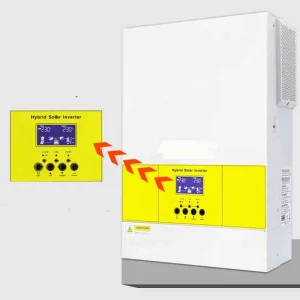
Yes, our hybrid micro-inverter series support AC-coupled configuration options, enabling integration with low-voltage or high-voltage lithium battery systems to provide load shaving and UPS backup during grid outages.
Our micro-inverters feature rapid shutdown compliance, overvoltage and undervoltage protection, surge protection (SPD Type III), grid monitoring, ground fault protection, and low DC operating voltage under 60V, which practically eliminates the risk of high-voltage DC arcing.
Each micro-inverter features integrated Wi-Fi or Sub-1G communication. Real-time data is uploaded to our cloud platform, allowing plant operators to monitor module-level performance, generate automated reports, and receive real-time fault notifications via mobile or desktop application.
Standard orders from our manufacturing bases in China are dispatched within 15 days. Ocean freight from Shanghai or Ningbo to Chittagong Port typically takes 18 to 25 days, depending on route schedules and terminal capacity.